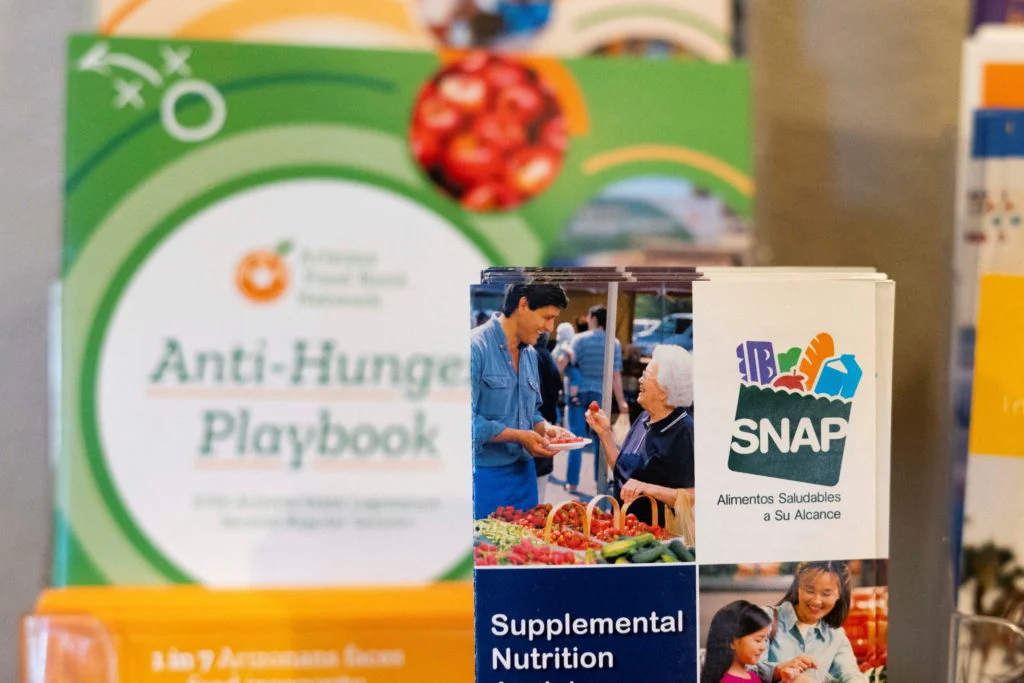
Between July 2025 and July 2026, the American social safety net underwent its most significant contraction in decades. According to a new, sobering analysis, more than 1.2 million children have lost access to the Supplemental Nutrition Assistance Program (SNAP), the nation’s primary defense against childhood hunger. While proponents of the administration’s legislative agenda point to these figures as evidence of reduced government dependency, nutrition experts, pediatricians, and social policy analysts warn of a burgeoning humanitarian crisis that threatens the developmental trajectory of a generation.
The Legislative Catalyst: The "Big, Beautiful Bill"
The catalyst for this widespread decline is a massive tax and spending overhaul championed by President Donald Trump and enacted into law over a year ago. Marketed by the administration as a tool for fiscal discipline, the legislation slashed at least $1 trillion in federal spending from the nation’s social safety net.
The policy shift was multifaceted, impacting both the eligibility requirements for recipients and the administrative burdens placed upon state agencies. Among the most impactful changes were the implementation of stringent work requirements for adults and a fundamental shift in fiscal liability: states are now required to bear a larger portion of program costs, linked directly to their "payment error rates."
The result has been a seismic shift in enrollment. Nationwide, approximately 5 million individuals—children and adults alike—have been removed from the SNAP rolls. The Center on Budget and Policy Priorities (CBPP), a nonpartisan research group, suggests that the true impact may be even higher, with estimates indicating that as many as 1.5 million children may have lost benefits once the data from all 50 states is fully reconciled.
Chronology of the Decline
The rapid nature of the enrollment drop has caught many experts off guard. Historically, SNAP participation is cyclical; it expands during economic downturns and contracts when the labor market tightens. However, the current decline does not align with traditional economic indicators.
- Mid-2025: The federal legislative changes take effect, introducing stricter work requirements and increased pressure on states to lower payment error rates.
- Late 2025: Legal immigrants, including refugees and asylum seekers, lose SNAP eligibility. Concurrent immigration enforcement actions create a "chilling effect," causing eligible families to withdraw from the program due to fears of surveillance or potential status repercussions.
- Early 2026: Enrollment figures in the 25 states with public data begin to show a downward trend that far outpaces historical norms.
- Mid-2026: The CBPP publishes its findings, highlighting a discrepancy between the narrative of a "strong economy" and the reality of mounting food insecurity.
- Late 2026: The cancellation of the federal Household Food Security Report leaves researchers without an official government metric to track the worsening hunger crisis, effectively obscuring the long-term impact of these policy changes.
Data Analysis: A Departure from Economic Trends
Joseph Llobrera, the senior research director for food assistance at the CBPP, notes that the current trend defies conventional economic logic. "SNAP enrollment traditionally rises and falls in response to the strength of the economy," Llobrera explained to PBS News. "But the current economic conditions simply do not indicate that the need for assistance has evaporated."
Priya Fielding-Singh, director of policy and programs at George Washington University’s Global Food Institute, echoes this sentiment. "The data we are seeing now indicates that the declines are so significant and rapid that it is really unlikely this is because there is a reduced need," she stated. According to her research, there has been no corresponding improvement in unemployment rates or a significant enough increase in living wages to explain the millions of families no longer receiving aid.
While some advocates of the legislation argue that the drop is merely a correction following the expiration of COVID-19-era expansions, researchers at the Brookings Institution suggest the scale of the exit is unprecedented. "Enrollment should be dropping," says Lauren Bauer, a fellow in economic studies at Brookings, "but not as much as it is."
Administrative Hurdles and the "Chilling Effect"
The decline in child enrollment is not solely the result of legislative eligibility cuts; it is heavily influenced by administrative barriers. Under the new law, SNAP participants between the ages of 18 and 64 whose youngest child is 14 or older must demonstrate 80 hours of work or participation in a work program per month. Failure to meet these requirements triggers a three-year period of ineligibility.
For many families, this requirement is a structural impossibility. "Many people sign up for SNAP after becoming unemployed," Bauer noted. "The requirement to document 80 hours of work while in the midst of a job search—often while navigating childcare for older children—creates a hurdle that many families cannot clear."
Furthermore, the impending 2027 requirement for states to assume greater financial responsibility for their error rates has created a defensive posture among state agencies. To minimize the risk of financial penalties, many states have intensified documentation requirements, requiring families to re-verify eligibility with greater frequency and detail. Experts warn that this "defensive bureaucracy" is leading to the denial of benefits for many who remain legally eligible.
The Broader Implications: A Public Health Crisis
The consequences of this mass removal from the food assistance rolls extend far beyond the kitchen table. The research is clear: food insecurity is a primary driver of poor health outcomes. A 2025 report in the journal Nutrients found that childhood food insecurity is directly linked to developmental delays, behavioral issues, and long-term nutrient deficiencies.
"SNAP is not, despite the name, supplemental," Fielding-Singh emphasized. "It is essential. It is how families feed their kids enough food. When families lose access, the immediate result is that parents skip meals so their children can eat, but eventually, the shortfall reaches the children as well."
The impact also ripples through the broader social safety net. Because SNAP eligibility often serves as the "gateway" for other programs, the decline is destabilizing the National School Lunch Program and WIC (the Special Supplemental Nutrition Program for Women, Infants, and Children). As enrollment falls, schools are finding it increasingly difficult to sustain the Community Eligibility Provision (CEP), which provides universal free meals in low-income districts. Without the required threshold of SNAP-eligible students, some schools are being forced to scale back or eliminate these meal programs entirely.
The Information Blackout
Compounding the concern among researchers is the federal government’s decision to terminate its annual Household Food Security Report. In late 2025, the USDA labeled the report "redundant, costly, and politicized," effectively ending the collection of national data on food insecurity.
This move has been met with harsh criticism from the scientific community, which views the loss of this data as a deliberate attempt to obscure the consequences of the 2025 legislation. Without this report, the nation loses its primary mechanism for monitoring the health and nutrition status of its most vulnerable citizens at a time when the safety net is experiencing its most radical transformation in half a century.
Conclusion: Looking Ahead
As the 2027 fiscal shift approaches, where states will be further penalized for payment errors, advocates fear that the downward trend in SNAP participation will accelerate. With millions of children already off the rolls and the federal government retreating from its role as a data-driven monitor of food insecurity, the future of the nation’s social safety net remains in a state of deep uncertainty.
The debate over the "Big, Beautiful Bill" continues to divide policymakers. For some, the decline in participation is a triumph of fiscal conservatism. For families and the experts who study them, it represents a profound retreat from the promise of a nation that protects its children from the indignity of hunger. As the school year progresses, the silent struggle of millions of families to put food on the table remains one of the most pressing, yet invisible, stories in American life.