In the contemporary era, the conversation surrounding climate change is dominated by physical metrics: rising sea levels, record-breaking temperatures, and the decimation of biodiversity. Yet, beneath these environmental statistics lies a profound, often overlooked human cost. As extreme weather events—from unprecedented heat waves to catastrophic flooding—become the new normal, they are fundamentally altering the way we live, interact, and bond.
Climate change is not merely reshaping our physical geography; it is actively impeding our ability to connect, potentially deepening the global loneliness epidemic and fraying the social fabric that communities rely upon for survival and resilience.
The Vital Importance of Social Connection
Social connection is no longer viewed merely as a luxury or a byproduct of a healthy lifestyle; it is a clinical prerequisite for both individual and collective well-being. According to the U.S. Surgeon General’s advisory on social connection, loneliness carries health risks comparable to smoking up to 15 cigarettes a day.
When functioning properly, the "social fabric" of a community acts as a primary infrastructure. Relationships serve as conduits for mutual aid, information sharing, and collective action. In the wake of a disaster, it is the social network—friends checking on neighbors, local groups coordinating cooling shelters, and families sharing warnings—that often bridges the gap before government services can mobilize. By disrupting these connections, climate change strikes at the very mechanism that keeps vulnerable populations safe.
A Chronology of Disruption: From Gatherings to Isolation
The erosion of community interaction is a process that has accelerated alongside the uptick in severe weather events over the last decade.
- 2011: The devastating impact of Hurricane Irene and Tropical Storm Lee in New York served as a stark case study in the loss of "third places"—the community spaces like parks, town squares, or local lakes where social bonds are forged. When these physical foundations are destroyed, the traditions associated with them—swimming, picnicking, and festivals—often vanish permanently.
- 2020–2022: The COVID-19 pandemic acted as a catalyst, isolating populations and weakening existing social ties. As society attempted to re-emerge, it was met with a new barrier: a climate that made traditional gathering spaces unsafe.
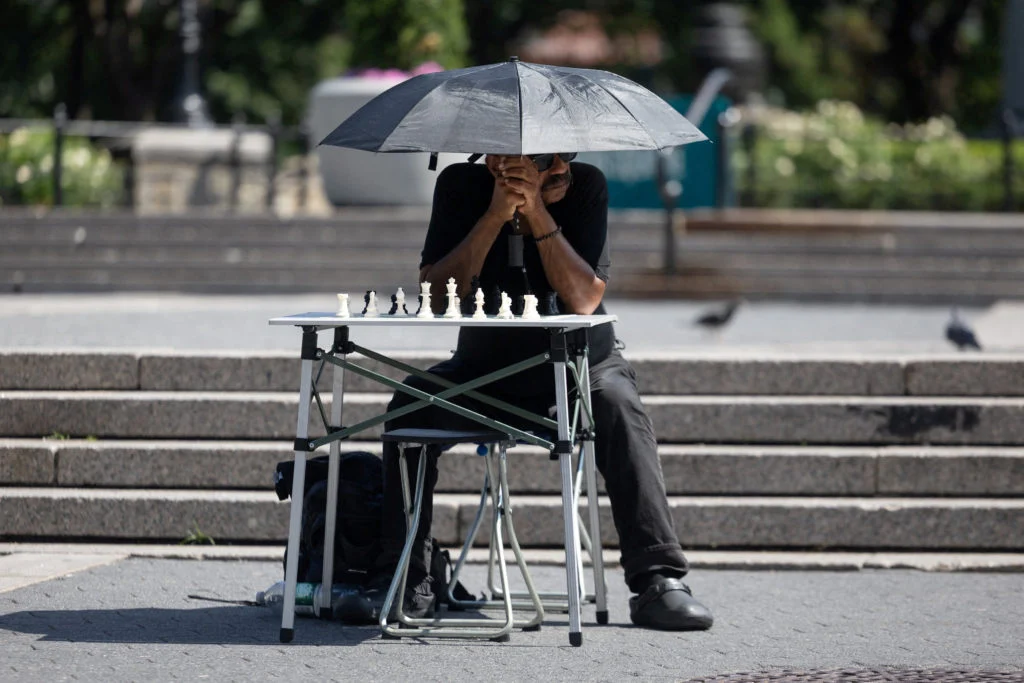
- 2024–2026: Extreme heat waves and atmospheric flooding across the United States have forced a "re-domestication" of the population. Whether in the Pacific Northwest or rural Appalachia, residents are increasingly sequestering indoors to escape heat indices that reach dangerous levels, effectively putting local social lives on hold.
Supporting Data: The Anatomy of Isolation
Research from the University of Tennessee and other academic institutions highlights a clear correlation between extreme weather and social withdrawal. A recent study focused on rural Appalachia reveals a distressing trend: when the mercury rises or the rains wash out local roads, residents report a significant drop in face-to-face interactions.
The Impact of Heat
When outdoor temperatures reach hazardous levels, the primary survival instinct is to retreat into climate-controlled environments. While this preserves physical health, it creates a social void. A 28-year-old social worker interviewed for recent research noted: "People don’t want to leave their house if it’s that hot. People don’t want to go to community events and be out in the community." This avoidance behavior is not merely a preference; it is a response to environmental threat, but the aggregate result is a thinning of community bonds.
The Digital Divide and Power Grid Fragility
Communication technology is the modern tether that keeps families and neighbors connected. However, extreme weather is increasingly targeting the infrastructure of that tether. Power outages, which can last for days or even weeks, frequently result in the total collapse of cellular and internet service. For many in rural or underserved areas, the loss of electricity means the loss of all social connectivity. As one 74-year-old resident stated, "Without your phone, you really lose all your connections."
Official Responses and Policy Perspectives
Governments and health organizations are beginning to recognize social disconnection as a climate-related risk, though policy implementation remains in its infancy.
The U.S. Department of Health and Human Services (HHS) has identified social connection as a key factor in disaster resilience. However, many current emergency response frameworks focus primarily on physical survival—water, food, and shelter—without fully accounting for the psychological and sociological aftermath of community destruction.
There is a growing movement among urban planners to prioritize "Climate Resilience Hubs." These are not just cooling centers; they are designed as year-round community anchors. By integrating public libraries, senior centers, and community halls with redundant energy supplies (such as solar-plus-storage) and high-speed internet, these hubs aim to provide a "third place" that remains functional even when the broader grid fails.
The Erosion of Cultural Traditions
Perhaps the most intangible, yet damaging, aspect of this crisis is the loss of cultural heritage. When a drought dries up a community’s fishing spot, or a flood destroys a town’s festival grounds, the shared experience that defines a community’s identity is lost.
In Appalachia, recent studies documented the decline of the annual Ohio Pawpaw Festival due to crop failures caused by extreme weather. When a community can no longer host the events that bring people together, they lose the opportunity for intergenerational bonding. Younger residents, seeing their heritage sites degraded, are less likely to remain in or invest in their hometowns, leading to a "brain drain" and a further weakening of the local social fabric.
Implications: The Multiplier Effect
The most dangerous aspect of this phenomenon is the "compounding effect." Weather events are no longer occurring in isolation. A heat wave may exacerbate drought, which in turn increases the risk of wildfires, which may then be followed by sudden, severe flooding on fire-scorched land that cannot absorb water.
Each of these events acts as a social "fracture." For the elderly or those without reliable transportation, these recurring disruptions act as a filter, pushing the most vulnerable further toward the margins of society. Over time, this cumulative stress leads to a erosion of social capital, making it increasingly difficult for communities to organize, vote, or advocate for the environmental protections they need to stop the cycle.
A Path Forward: Investing in Social Infrastructure
If social connection is indeed a community’s greatest asset in the face of climate change, then the protection of that asset must become a priority.
Recommendations for Community Resilience:
- Investment in Public Hubs: Cities should prioritize the development of indoor, climate-resilient spaces that serve as community centers during normal times and emergency shelters during disasters.
- Digital Redundancy: Local governments must treat internet access as a public utility essential for safety, ensuring that cellular infrastructure is hardened against extreme weather.
- Social-Ecological Integration: Disaster planning should involve local community leaders, historians, and cultural groups to ensure that the recovery process preserves not just the physical town, but the cultural traditions that bind its people together.
- Community-Led Monitoring: Establishing neighborhood-level "buddy systems" ensures that the most isolated members—particularly older adults—have a direct line of human contact, regardless of the status of the power grid.
Conclusion: The Fragile Resource
In an era of accelerating climate disruption, social connection is perhaps our most fragile resource. It is the invisible infrastructure that supports our democracy, our mental health, and our collective safety. As we continue to battle the physical manifestations of climate change, we must not lose sight of the human element.
Protecting our ability to connect is not just a social goal; it is a climate strategy. By building stronger, more resilient communities, we create the very foundation necessary to weather the storms of the future. The challenge is immense, but the cost of inaction—a lonely, fragmented, and vulnerable society—is far higher. If we are to adapt to a changing planet, we must ensure that in our rush to build stronger walls, we do not lose the bonds that make our communities worth living in.