




In an era where health-conscious consumers are increasingly scrutinizing nutrition labels, tracking caloric intake, and prioritizing fresh, whole foods, a subtle but significant safety concern often remains overlooked: the chemical footprint of our cooking methods. While a diet rich in fruits, vegetables, and lean proteins is widely considered the gold standard for wellness, even the most "naturally healthy" foods can harbor hidden contaminants. These substances do not always originate from synthetic pesticides or industrial runoff; frequently, they are the unintentional byproducts of the very heat we use to prepare our meals.
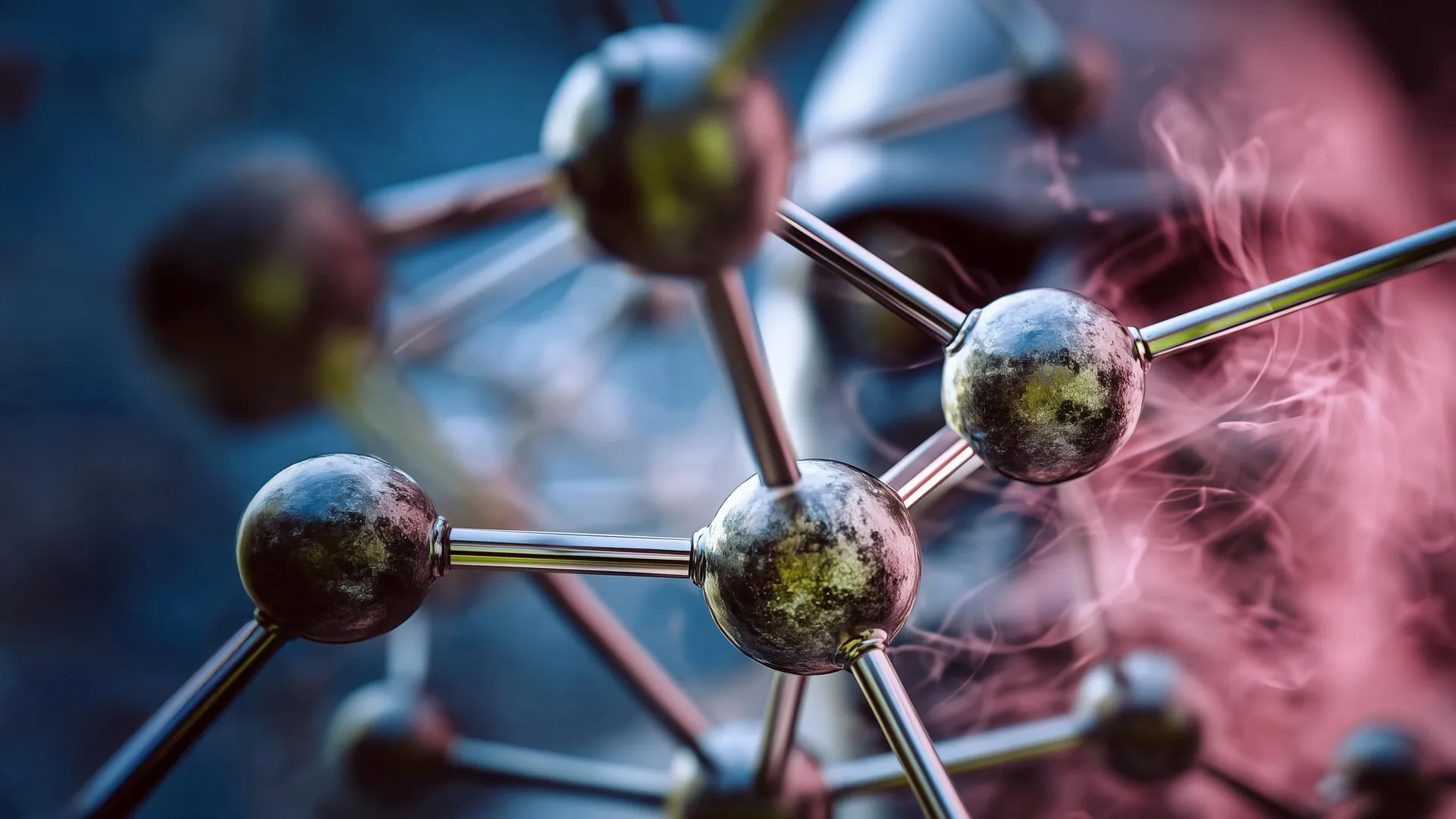
Among these concerns, polycyclic aromatic hydrocarbons (PAHs)—a group of hydrophobic organic compounds characterized by their multiple fused aromatic rings—pose a persistent challenge to food safety. Because several PAHs are recognized for their potential carcinogenicity, the ability to accurately detect and quantify these compounds is essential for protecting public health. Recent advancements in analytical chemistry are now providing researchers with the tools to do just that, moving away from labor-intensive, hazardous testing methods toward streamlined, highly accurate solutions.
The Chemistry of Cooking: Why PAHs Matter
PAHs are ubiquitous in the environment, found in cigarette smoke, vehicle exhaust, and industrial emissions. However, for the average consumer, the most significant point of exposure occurs in the kitchen. When food is subjected to high-temperature cooking—such as grilling, smoking, roasting, or frying—chemical transformations take place.
The National Cancer Institute (NCI) notes that PAHs are primarily formed when fats and juices from meat drip onto hot surfaces or open flames. This process creates a smoke-laden environment where these compounds deposit directly onto the surface of the food. While human population studies have not yet established a definitive, linear link between consumption of cooked meats and cancer in humans, the biological evidence from animal studies is concerning enough to warrant caution. This scientific uncertainty underscores the vital need for robust, reliable measurement tools. By improving our ability to detect where and how contamination occurs, regulators and food manufacturers can better mitigate risks and inform public dietary guidelines.
A Legacy of Labor: The Need for Analytical Evolution
For decades, food scientists have relied on conventional extraction techniques to isolate PAHs from complex food matrices. Methods such as solid-phase extraction (SPE), liquid-liquid extraction (LLE), and accelerated solvent extraction have long served as the industry standard. While these methods are capable of providing accurate data, they are fraught with practical limitations.
Conventional preparation is notoriously time-consuming, requiring significant manual labor and large volumes of organic solvents. These procedures are not only costly but also create a hazardous work environment for laboratory technicians and generate significant chemical waste, posing an environmental burden. As the demand for routine food safety monitoring grows globally, these traditional methods have become a bottleneck, slowing the pace at which essential safety data can be produced.
QuEChERS: A Paradigm Shift in Food Analysis
To overcome these obstacles, the scientific community has increasingly turned to a methodology known as QuEChERS—an acronym for "Quick, Easy, Cheap, Effective, Rugged, and Safe." Designed initially for pesticide residue analysis, the QuEChERS method has been adapted by researchers to revolutionize the way we test for food contaminants like PAHs.
The core advantage of QuEChERS lies in its efficiency. By simplifying the sample preparation workflow, the method significantly reduces the time required for testing, slashes the volume of hazardous solvents needed, and enhances the recovery rates of target compounds. This makes large-scale, routine safety checks not only possible but practical for food safety agencies and private sector quality control laboratories alike.
2025 Milestones: The SeoulTech Research
A landmark study published in the journal Food Science and Biotechnology in 2025 has provided a blueprint for applying this methodology to PAH detection. Led by Professor Joon-Goo Lee of the Department of Food Science and Biotechnology at the Seoul National University of Science and Technology (SeoulTech), the research team successfully developed a QuEChERS-based protocol to measure eight specific PAHs: Benzo[a]anthracene, Chrysene, Benzo[b]fluoranthene, Benzo[k]fluoranthene, Benzo[a]pyrene, Indeno[1,2,3-cd]pyrene, Dibenz[a,h]anthracene, and Benzo[g,h,i]perylene.
Chronology of the Study Findings
The research team employed acetonitrile to extract the PAHs from various food samples, subsequently testing multiple purification strategies to optimize the removal of interfering substances. The validation process was rigorous, spanning a diverse array of food matrices. The results were highly encouraging:
- Linearity and Reliability: Calibration curves for all eight target PAHs demonstrated R² values exceeding 0.99, confirming a highly linear and reliable measurement system.
- Detection Limits: Utilizing gas chromatography and mass spectrometry, the team achieved limits of detection (LOD) ranging from 0.006 to 0.035 µg/kg. Limits of quantification (LOQ) were equally impressive, ranging from 0.019 to 0.133 µg/kg.
- Precision and Recovery: Recovery rates remained remarkably consistent, ranging between 86.3% and 109.6% depending on the concentration spikes, with precision values staying within a narrow margin of 0.4% to 6.9%.
In terms of real-world application, the study identified that among the tested items, soybean oil contained the highest levels of PAHs, followed by duck meat and canola oil. This data provides actionable insights for producers in the oil and meat sectors regarding process control.
Expanding the Scope: Broader Research Applications
The momentum generated by the SeoulTech study has catalyzed further innovation across the globe. Researchers are now applying modified QuEChERS techniques to a vast spectrum of food products, ensuring that safety standards are met across the entire supply chain.
The "Freeze-Out" Modification
A 2025 study published in the journal Foods introduced a modified QuEChERS approach featuring a "freeze-out" step to further improve purification. Applying this to 302 retail food samples, the researchers discovered elevated concentrations of priority PAHs in Kezuribushi (a traditional smoked and dried fish product). Furthermore, the study flagged grilled chicken feet as a potential health concern, utilizing the European Food Safety Authority’s (EFSA) "margin of exposure" approach to assess the risk.
Cereal and Grain Analysis
Another significant 2025 study, published in the Journal of Food Composition and Analysis, focused on the cereal market. Utilizing Z-Sep™ clean-up—a specialized sorbent—combined with gas chromatography-tandem mass spectrometry, researchers analyzed 96 cereal samples and 18 cereal-based products in Romania. The findings were reassuring: while chrysene was detected in 17% of raw cereal samples, no PAHs were quantified in the processed cereal-based products, suggesting that industrial processing may not always equate to increased risk.
Implications for Public Health and Policy
The shift toward faster, cleaner, and more precise testing methods like QuEChERS has profound implications for the global food industry.
- Enhanced Safety Management: By reducing the turnaround time for test results, food companies can implement more frequent inspections, ensuring that products are verified for safety before they reach the consumer’s plate.
- Laboratory Sustainability: The reduction in solvent consumption directly aligns with global "green chemistry" initiatives, lowering the environmental impact of food safety testing labs and improving safety protocols for laboratory workers.
- Science-Based Policy: As Professor Joon-Goo Lee emphasizes, these advancements provide the data necessary for governments to draft science-based policies. "This method not only simplifies the analytical process but also demonstrates high efficiency in detection compared to conventional methods," Lee stated. "Our research can improve public health by providing safe food while reducing the use and emission of hazardous chemicals in laboratory testing."
Expert Profile: Professor Joon-Goo Lee
The success of this initiative is driven by experts like Professor Joon-Goo Lee, whose career has been defined by a commitment to rigorous food safety assessment. With a background serving as a scientific officer at Korea’s Ministry of Food and Drug Safety and a visiting researcher at Food Standards Australia New Zealand (FSANZ), Lee brings a global perspective to his work. As a member of the National Food Sanitation Committee and an expert for the FAO/WHO Joint Expert Committee on Food Additives (JECFA), his contributions are instrumental in shaping food safety standards that transcend borders.
Conclusion: A Future of Transparent Food Systems
The evolution of PAH detection is a testament to the power of analytical chemistry in safeguarding public health. By transitioning to more efficient methods, we are not merely making labs cleaner; we are making the food supply more transparent.
While the presence of PAHs in food remains a reality of modern cooking, the ability to accurately measure, monitor, and mitigate these compounds represents a massive leap forward. As research continues to refine these techniques, the combination of improved laboratory efficiency and proactive risk assessment will play a pivotal role in ensuring that the food on our tables remains as safe as it is nutritious. Through the dedication of researchers like Professor Lee and the adoption of technologies like QuEChERS, the global food industry is better equipped than ever to meet the challenges of the 21st century.