




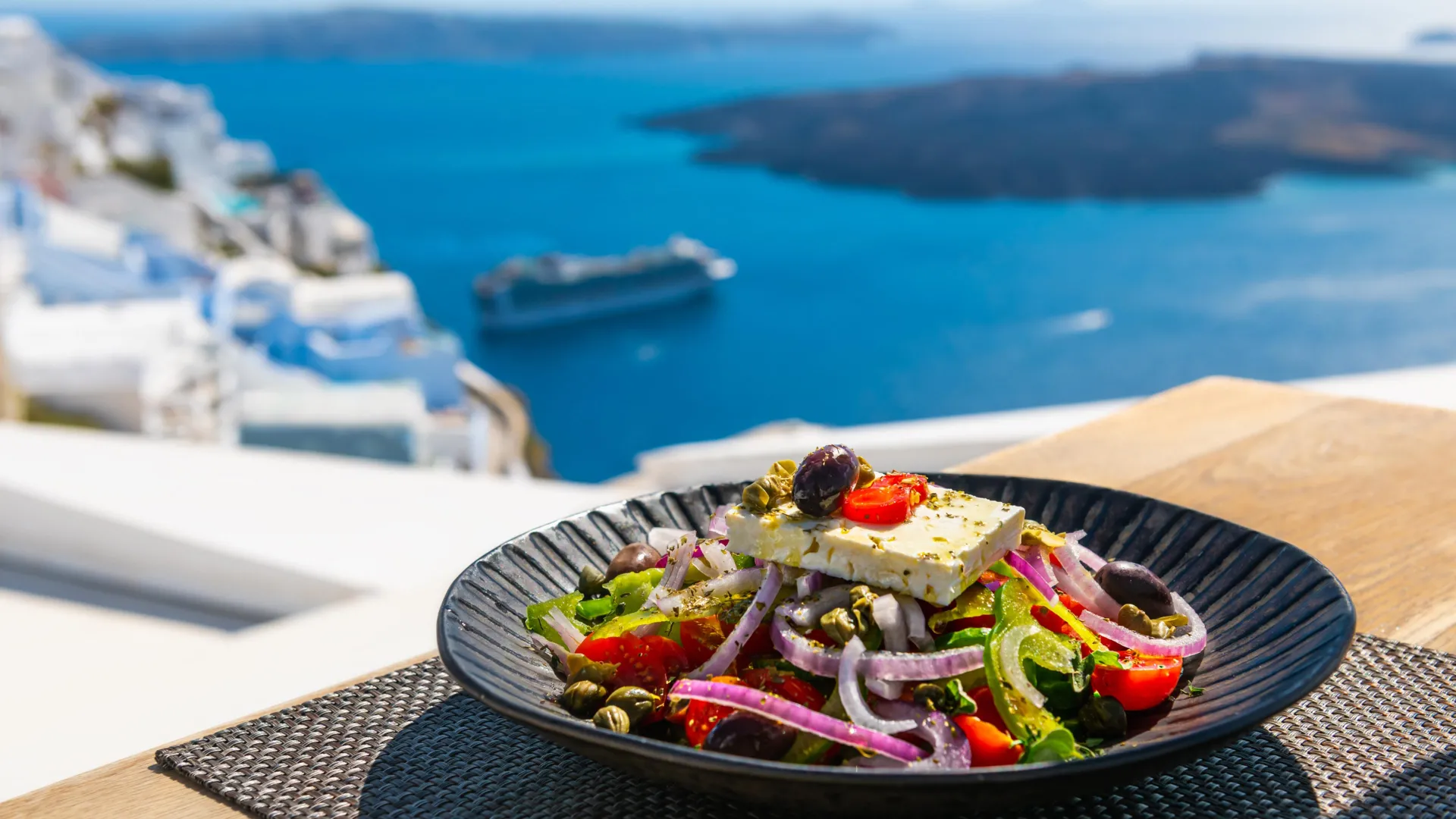
For decades, the Mediterranean diet has been heralded by nutritionists and cardiologists as the gold standard for longevity. From the sun-drenched coasts of Italy and Greece, this dietary pattern—rich in olive oil, legumes, fresh produce, and lean proteins—has been statistically linked to lower rates of heart disease, type 2 diabetes, and cognitive decline. Yet, despite the epidemiological evidence, the precise biological "why" has remained somewhat elusive.
A groundbreaking study led by researchers at the USC Leonard Davis School of Gerontology has finally begun to bridge the gap between ancient culinary traditions and cutting-edge molecular biology. The study reveals that the Mediterranean diet may exert its anti-aging effects by influencing the production of tiny, specialized proteins generated within our mitochondria—the power plants of our cells.
The Mitochondrial Connection: Unveiling Microproteins
Mitochondria are universally recognized for their role in ATP production, the energy currency of the cell. However, modern gerontology is shifting its focus toward a secondary, arguably more critical role: mitochondria as signaling hubs. These organelles release chemical messengers that dictate how a cell manages stress, regulates inflammation, and ultimately, how it ages.
The USC research team, led by instructional associate professor of gerontology Roberto Vicinanza, focused on two specific mitochondrial-derived peptides (MDPs): humanin and SHMOOSE. Their findings, published in Frontiers in Nutrition, suggest that these microproteins act as a biological bridge, translating the nutrients we consume into cellular instructions for longevity.
"These microproteins may act as molecular messengers that translate what we eat into how our cells function and age," says Dr. Vicinanza. "It’s a new biological pathway that helps explain why the Mediterranean diet is so powerful."
A Chronology of Discovery: From Genetic "Dark Matter" to Health Biomarkers
The path to this discovery spans more than two decades of rigorous investigation, spearheaded by the study’s senior author, Dean Pinchas Cohen of the USC Leonard Davis School.
- 2003: Dr. Cohen and his colleagues identify humanin, a peptide encoded in the mitochondrial genome. Initial studies reveal its role in protecting against insulin resistance and cardiovascular stress.
- The Decades Between: Ongoing research establishes humanin’s connection to cognitive preservation and life-span extension in model organisms.
- The Discovery of SHMOOSE: Cohen’s lab later discovers SHMOOSE (Small Human Mitochondrial ORF Over SErine tRNA). Researchers find that specific genetic variants of SHMOOSE are associated with Alzheimer’s risk, while the "normal" version appears to act as a shield against amyloid-beta, the toxic protein plaques implicated in Alzheimer’s progression.
- March 2026: The current study establishes the link between these peptides and dietary intake, marking a transition from observing the existence of these proteins to understanding how they are modulated by lifestyle choices.
Supporting Data: Nutrition as a Genetic Trigger
To determine how diet influences these proteins, the research team analyzed blood samples from a cohort of older adults with varying degrees of adherence to the Mediterranean diet. The results were striking: participants who most strictly followed the diet showed significantly higher circulating levels of both humanin and SHMOOSE.
The Breakdown of Dietary Impact
The study further dissected which components of the Mediterranean diet were most influential in boosting these protective molecules:
- Olive Oil and Legumes: These staples showed a strong, positive correlation with elevated humanin levels.
- Refined Carbohydrate Restriction: Diets low in white bread, pastries, and processed sugars were linked to higher concentrations of SHMOOSE.
This is particularly relevant, as refined carbohydrates are known to trigger rapid spikes in blood glucose, which in turn fuels systemic inflammation and oxidative stress. By favoring minimally processed foods, the body appears to shift its mitochondrial output toward a more protective, anti-aging profile.
The Role of Oxidative Stress
A critical secondary finding of the study involves the enzyme Nox2, which is involved in producing reactive oxygen species (ROS). While ROS are necessary for immune function in small amounts, they are highly destructive when produced in excess, causing oxidative stress that damages DNA and proteins. The study found that higher levels of humanin were associated with lower Nox2 activity, suggesting that the Mediterranean diet provides a "double-layered" defense: it reduces the production of harmful oxidative molecules while simultaneously boosting the internal machinery required to repair damage.
Official Responses and Expert Perspective
The significance of these findings extends beyond simple dietary advice. For Dean Pinchas Cohen, this research elevates the Mediterranean diet from a "lifestyle suggestion" to a potential clinical intervention.
"These findings suggest that specific components of the Mediterranean diet may directly influence mitochondrial biology," says Dean Cohen. "Humanin and SHMOOSE could serve as biomarkers for adherence to the Mediterranean diet and have clinical significance."
In the medical world, a biomarker is more than a statistic; it is a measurable tool that allows clinicians to gauge how a patient is responding to a treatment. If these microproteins can be easily measured in blood, doctors might one day use them to monitor the efficacy of nutritional interventions for patients at risk of neurodegeneration or cardiovascular decline.
Dr. Vicinanza, who has collaborated with UNESCO-recognized communities in Italy to promote the Mediterranean lifestyle, views this as a validation of ancestral wisdom. "We’re connecting centuries-old dietary traditions with cutting-edge molecular biology," he explains. "It supports the idea that healthy eating patterns… reflect how humans have eaten over long periods and may create conditions to which mitochondria—ancient cellular organelles—are likely adapted."
Implications for the Future: Precision Nutrition
While the study is a milestone, the researchers acknowledge its limitations. As an observational study, it identifies strong correlations but cannot definitively prove that the diet caused the increase in microproteins. Factors such as physical activity, genetics, and socioeconomic status remain variables that could influence the outcome.
However, the implications for the emerging field of precision nutrition are immense. Precision nutrition aims to move away from "one-size-fits-all" dietary guidelines, using an individual’s metabolic and genetic profile to craft specific, effective eating plans.
Moving Toward Causality
The next phase of this research will involve clinical trials designed to test causality. If researchers can prove that changing a diet directly triggers an increase in these mitochondrial peptides—and that this increase subsequently reduces disease markers—it could revolutionize the way we treat age-related diseases.
"Our goal is to move from observing associations to understanding causality," concludes Dr. Vicinanza. "If we can harness these pathways, we may be able to design nutritional strategies that promote healthy aging at the molecular level."
Global Significance
As we face a global aging population, the search for non-pharmacological interventions has never been more urgent. By validating the molecular mechanisms of the Mediterranean diet, the USC team has provided a scientific foundation for a shift in public health policy. With the establishment of the International Day of the Mediterranean Diet (observed annually on November 16), the global community is increasingly recognizing that what we put on our plates is, quite literally, the fuel for our cellular survival.
The study, which included collaboration from Sapienza University of Rome, serves as a poignant reminder that the secrets to longevity are often found in the simplest, most enduring traditions. By aligning our modern habits with the ancient biology of our mitochondria, we may find that the key to healthy aging has been waiting in our pantries all along.