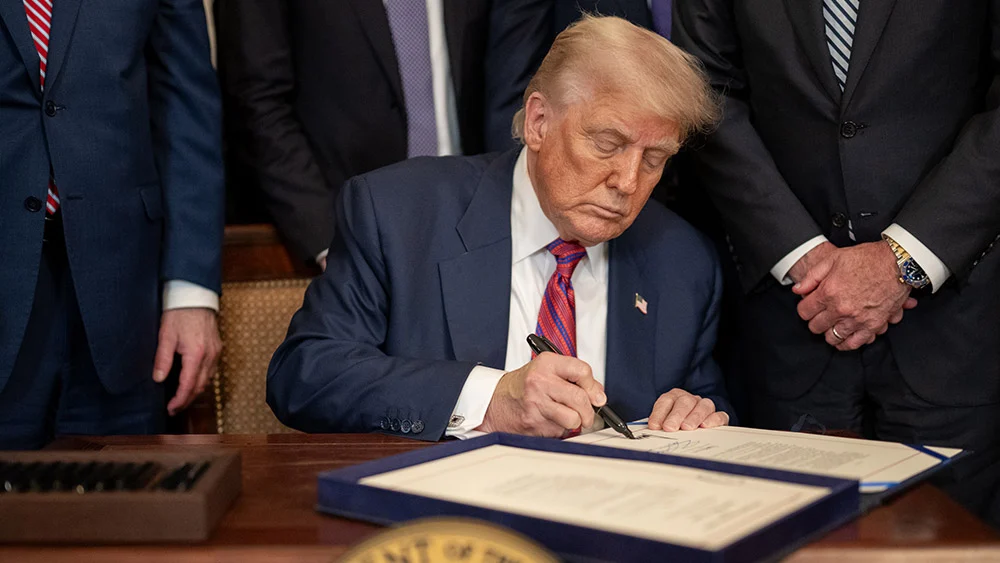
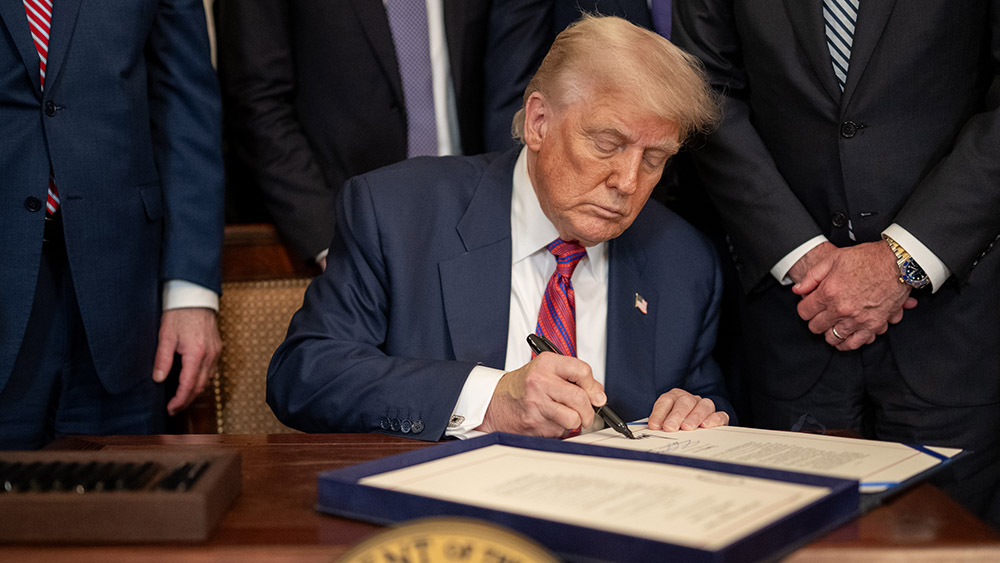
VERSAILLES, France — In a historic ceremony at the Palace of Versailles on June 17, 2026, U.S. President Donald Trump signed the "Islamabad Memorandum of Understanding" (MOU) with Iranian representatives, effectively signaling an end to the hostilities that erupted in February of this year. The agreement establishes a 60-day window for intensive negotiations, aimed at formalizing a ceasefire and addressing the outstanding grievances of both nations.
While the administration frames the MOU as a diplomatic opening, the consensus among geopolitical analysts, veteran lawmakers, and regional observers is stark: the four-month conflict has concluded not with the triumph of American objectives, but with a profound strategic recalibration that leaves Washington in a diminished position.
A Chronology of the Conflict: From Escalation to Stasis
The war began in February 2026, fueled by rising tensions over Iran’s nuclear program and a series of regional escalations. The Trump administration entered the conflict with a set of maximalist goals: the total destruction of Iran’s nuclear and ballistic missile infrastructure, the destabilization and eventual collapse of the current regime in Tehran, and an unconditional surrender that would reset the regional security architecture in favor of the United States and its traditional allies.
However, the reality of the battlefield—and the economic theater—quickly diverged from the administration’s strategic forecasts. Iran’s asymmetric warfare, specifically its precision drone and missile campaigns, proved highly effective at taxing U.S. air defense stocks. More importantly, Iran’s decision to tighten its grip on the Strait of Hormuz—the world’s most critical maritime oil chokepoint—triggered a global energy crisis. As domestic petroleum reserves plummeted to a 40-year low, the domestic political pressure on the White House reached a fever pitch, forcing a pivot from military confrontation to the negotiation table.
The Terms of the MOU: A Windfall for Tehran
The Islamabad Memorandum, according to reports from Middle East Eye, represents a significant concessionary framework. Under the terms of the agreement:
- Sanctions Relief: The U.S. has committed to lifting all sanctions on Iranian crude oil exports.
- Asset Recovery: A legal and financial mechanism has been established to facilitate the release of over $100 billion in Iranian assets that were previously frozen in international accounts.
- Maritime Access: The naval blockade of Iranian ports has been formally lifted, restoring the flow of commerce in the Persian Gulf.
- Reconstruction Funding: The agreement outlines a preliminary framework for $300 billion in reconstruction capital. While President Trump has maintained that no American taxpayer funds will be used for this endeavor, the sheer scale of the financial influx is unprecedented.
Critics argue that the MOU is notably silent on the core issue that initiated the conflict: Iran’s nuclear program. David Schenker, a former senior U.S. official now affiliated with the Washington Institute for Near East Policy, suggests that any Iranian pledges to curb uranium enrichment are largely symbolic. "The program is already years damaged from earlier U.S. and Israeli strikes," Schenker noted. "The MOU does not close the door on future enrichment, nor does it dismantle the existing infrastructure that the U.S. once sought to eradicate."
Official Responses and Political Fallout
The signing of the MOU has triggered a volatile reaction in Washington, with bipartisan criticism highlighting the perceived failure of the administration’s wartime strategy.
Sen. Chris Murphy (D-CT) was among the first to label the conflict a "total calamity," suggesting that the war served only to expose the fragility of U.S. power projection. Conservative commentators have echoed this sentiment, albeit from a different ideological vantage point. Brandon Weichert, a prominent voice in conservative foreign policy circles, laid the blame squarely at the feet of the "neocons" who he argued pushed the U.S. into an "unwinnable war" based on flawed assumptions about the efficacy of military force in the Middle East.
Aaron David Miller, a veteran negotiator who has served under multiple U.S. administrations, offered a somber assessment of the broader implications. "The U.S. deployed its power foolishly and recklessly," Miller stated. "We have lost, vis-a-vis Iran, a lot of power and influence. Deterrence is gone." Miller’s remarks underscore a growing anxiety that the war, which was intended to eliminate an adversary, instead highlighted the structural limits of American military reach in the 21st century.
Strategic Realignment: The Shift in the Gulf
Perhaps the most significant consequence of the conflict is the shifting stance of the Gulf Cooperation Council (GCC) states. Initially, many of these nations provided varying degrees of support or acquiescence to the U.S.-led bombing campaign. Today, they are pivoting toward a policy of accommodation with Tehran.
"The Gulf states know we lost and that we can’t protect them from Iran," a former senior U.S. official told Middle East Eye. "They are paying Iran for safety, and it appears to be part of a U.S. arrangement." This "hedging" strategy, as Schenker describes it, is evidenced by Saudi Arabia’s recent overtures regarding a potential non-aggression pact with Iran, modeled after the 1975 Helsinki Accords.
This realignment marks a fundamental departure from the previous decades of U.S.-led containment. As historian Rashid Khalidi has argued, the conflict was an attempt to enforce a policy continuity closely aligned with specific regional interests—an attempt that has ultimately failed to account for the realities of Iranian resilience and the fatigue of American domestic sentiment.
The Economic and Geopolitical Reality
The duration of the conflict demonstrated that Iran possessed "more sand in the hourglass" than the U.S. military-industrial complex was prepared for. William Usher, a former CIA analyst, noted that the U.S. clock "wound down first because concerns about rising energy prices hit a fever pitch."
The strategic importance of the Strait of Hormuz—through which 20% of the world’s oil transits—cannot be overstated. As Charlotte Dennett details in her work, The Crash of Flight 3804, the vulnerability of this chokepoint has long been the Achilles’ heel of the global energy market. Iran’s ability to successfully leverage this chokehold forced Washington to accept terms that, only months ago, would have been considered entirely non-negotiable.
Furthermore, the involvement of international actors and the lack of a clear exit strategy for the U.S. military have left a vacuum of influence. While Miller maintains that the U.S. is "still the only game in town," the perception of vulnerability is already altering the calculations of both adversaries and allies. The U.S. now finds itself in the uncomfortable position of being dependent on "Iranian forbearance" to maintain regional stability.
Looking Ahead: The 60-Day Deadline
As the 60-day negotiation window begins, the mood in Washington is one of deep skepticism. The Islamabad MOU, while providing a temporary respite from active combat, leaves the underlying causes of the conflict unresolved.
The failure to achieve the stated war aims—the destruction of nuclear capabilities, the overthrow of the government, and unconditional surrender—has left the administration in a precarious position. The coming weeks will likely see intense debates over the terms of any final settlement.
Will the U.S. succeed in securing a lasting peace that addresses its security concerns, or will the Islamabad MOU be remembered as the beginning of a long-term decline in U.S. hegemony in the Middle East? For now, the facts are clear: the war was a costly endeavor that resulted in significant financial concessions, a realignment of regional powers against U.S. interests, and a diminished sense of American deterrence.
The Versailles agreement, while a diplomatic necessity for a war-weary White House, serves as a sobering reminder of the limits of power in an increasingly multipolar world. The next sixty days will prove whether this MOU is the foundation of a new peace or merely a temporary pause in a much larger, ongoing strategic struggle.