In an era defined by global supply chain volatility and a growing distrust of centralized medical infrastructures, the humble kitchen counter is undergoing a radical transformation. No longer just a space for culinary preparation, it is being reimagined by proponents of decentralized health as a frontier for biochemical autonomy. This paradigm shift was the central theme of Chapter 11 of the "UNBREAKABLE" course, hosted by Mike Adams and aired on September 8, which posited that the most potent survival tool for the modern individual might be as simple as a glass jar and a handful of broccoli seeds.
The episode moved beyond traditional nutritional advice, framing the process of sprouting not merely as a method of food production, but as a sophisticated, home-based manufacturing operation for bioactive compounds. By stripping away the need for laboratories, pharmaceutical supply chains, or industrial processing, the segment invited viewers to consider a provocative question: Can the average citizen regain control over their cellular health through the mastery of kitchen-based plant chemistry?
The Mechanics of Home-Grown Biochemistry
The core of the "UNBREAKABLE" thesis rests on the conversion of glucoraphanin—a compound abundant in broccoli seeds—into sulforaphane, an isothiocyanate widely studied for its potential in activating cellular defense pathways. Adams described the sprouting process as a miniature production system, one that requires minimal intervention but precise timing.
The Sprouting Process: A Chronology of Growth
The method presented in the course is intentionally accessible, designed to be replicated by anyone with basic kitchen supplies. The process follows a strict, yet simple, sequence:
- Hydration: Seeds are soaked in water, initiating the biological activation of dormant enzymes.
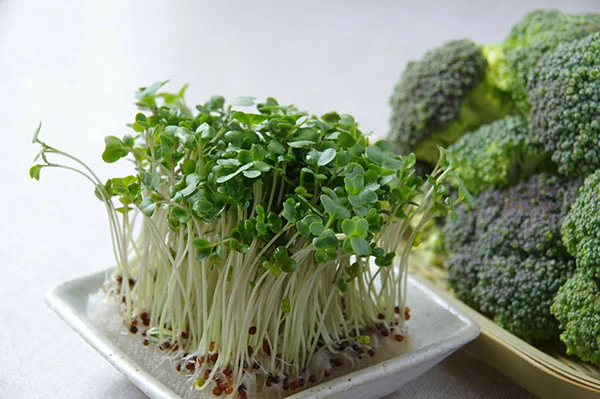
- Cultivation: Through repeated rinsing and air circulation, the seeds transition into sprouts, a stage where the concentration of beneficial phytochemicals reaches its peak.
- Harvesting: The sprouts are collected precisely when the first cotyledons—the embryonic leaves—appear. This timing is critical, as the chemical profile of the plant changes rapidly as it matures.
The narrative emphasizes that there is no "factory" involved; the transition from seed to potent nutritional agent occurs through natural biological development. By eliminating external processing, the creator avoids the degradation that often occurs in commercial transport and storage, presenting the kitchen-counter method as a superior, "live" alternative to store-bought supplements.
The Chemistry of "Liquid DNA Repair Medicine"
Perhaps the most ambitious claim made in the course involves the manipulation of plant cells to maximize the bioavailability of nutrients. Adams introduced a technique involving the freezing of harvested sprouts, a process intended to rupture plant cell walls. The logic suggests that by freezing and then thawing the sprouts, the physical integrity of the plant is compromised in a way that facilitates a more efficient chemical conversion of glucoraphanin into its active form.
The Role of Myrosinase
The episode focused heavily on the enzyme myrosinase. Without this enzyme, the conversion of glucoraphanin into sulforaphane is significantly hampered. Adams highlighted that environmental stressors—such as excessive heat—can denature this enzyme, rendering the "medicine" ineffective.
To address scenarios where modern conveniences like freezers might be unavailable, the course offered a "low-tech" workaround: heating the sprouts to approximately 70 degrees Celsius (158 degrees Fahrenheit) for 10 minutes and supplementing with mustard seed powder. The mustard seed acts as a source of exogenous myrosinase, effectively "rebooting" the enzymatic reaction. This biochemical ingenuity is presented as a crucial skill for those aiming for total self-sufficiency, ensuring that even in the absence of electricity or modern appliances, the home-based production of medicinal compounds remains viable.
Decentralized Health: The Broader Implications
The broccoli sprout serves as a metaphor for a much wider movement: the "Victory Garden Reimagined." In this vision, self-reliance is not defined by the size of one’s pantry, but by the depth of one’s practical knowledge. The "UNBREAKABLE" philosophy argues that centralized institutions have created a dangerous dependency, leaving individuals vulnerable to systemic collapse.
The Jar as a Pharmaceutical Factory
Adams’ characterization of a sprouting jar as a "pharmaceutical manufacturing operation" is intended to challenge the status quo. By framing the cultivation of berries, herbs, mushrooms, and sprouts as an act of resistance, the course positions the homeowner as an active participant in their own health outcomes.
This philosophy extends to a comprehensive suite of skills, including:
- Seed Saving: Ensuring the continuity of supply without reliance on commercial retailers.
- Resource Management: Integrating rainwater collection and composting into the "production line."
- Genetic Preparedness: Understanding the body’s natural repair mechanisms—such as homologous recombination and the management of DNA double-strand breaks—as the ultimate goal of nutritional strategy.
The implications for public health are profound. If the average household can reliably produce compounds that support cellular integrity and DNA repair, the traditional medical model—which focuses on reactive, symptom-based intervention—may face a fundamental challenge from a proactive, nutrient-dense, and decentralized alternative.
Scientific Framework and Critique
The concepts presented in the "UNBREAKABLE" course draw from a growing body of literature concerning environmental stressors, radiation exposure, and cellular resilience. Adams connects these scientific principles to a practical framework that includes nutrition as a primary driver of genetic health.
Exploring the 13-Chapter Framework
The course itself covers 13 chapters, moving through complex biological territories, including:
- Cellular Repair Pathways: Explaining the role of proteins such as BRCA1, 53BP1, and CHK1 in maintaining genomic stability.
- Environmental Stressors: Addressing the impact of nuclear fallout, spike proteins, and environmental pollutants on human health.
- Nutritional Strategy: Providing a blueprint for dietary choices that the course asserts can support the body’s innate ability to mitigate DNA damage.
While mainstream medical practitioners often emphasize that dietary changes are a supportive, rather than curative, measure, the "UNBREAKABLE" series maintains a more assertive stance. It encourages viewers to treat their understanding of biological mechanisms as a form of "genetic preparedness." By purchasing the full course package, participants are invited into a community of learners who prioritize the acquisition of knowledge regarding the intersection of biochemistry and survival.
Conclusion: Resilience in the 21st Century
The narrative surrounding the broccoli sprout is emblematic of a broader cultural movement. As individuals become increasingly aware of the fragility of global supply chains and the limitations of centralized healthcare, the appeal of "do-it-yourself" science grows. Whether one views the kitchen-counter sprouting of broccoli as a revolutionary act of medicine or simply as an efficient nutritional practice, the underlying message is clear: knowledge is the most resilient asset one can possess.
By turning the kitchen into a site of biochemical experimentation, proponents of this lifestyle are seeking to reclaim a level of autonomy that has been eroded by decades of industrialization. Whether or not these specific home-based techniques can achieve the clinical outcomes suggested remains a subject of intense debate. However, the movement toward decentralized, knowledge-based self-reliance is undeniably gaining momentum. As "UNBREAKABLE" suggests, the path to long-term health may not be found in a prescription bottle, but in the patience to soak, rinse, and grow the building blocks of life in a simple glass jar.
For those interested in exploring these theories further, the "UNBREAKABLE" course package remains available through Brighteon University, offering a deep dive into the intersection of nutrition, genetic integrity, and the practical skills necessary for navigating an uncertain future. In a world where the future is increasingly unpredictable, the ability to produce one’s own "liquid medicine" may prove to be the most significant insurance policy of all.