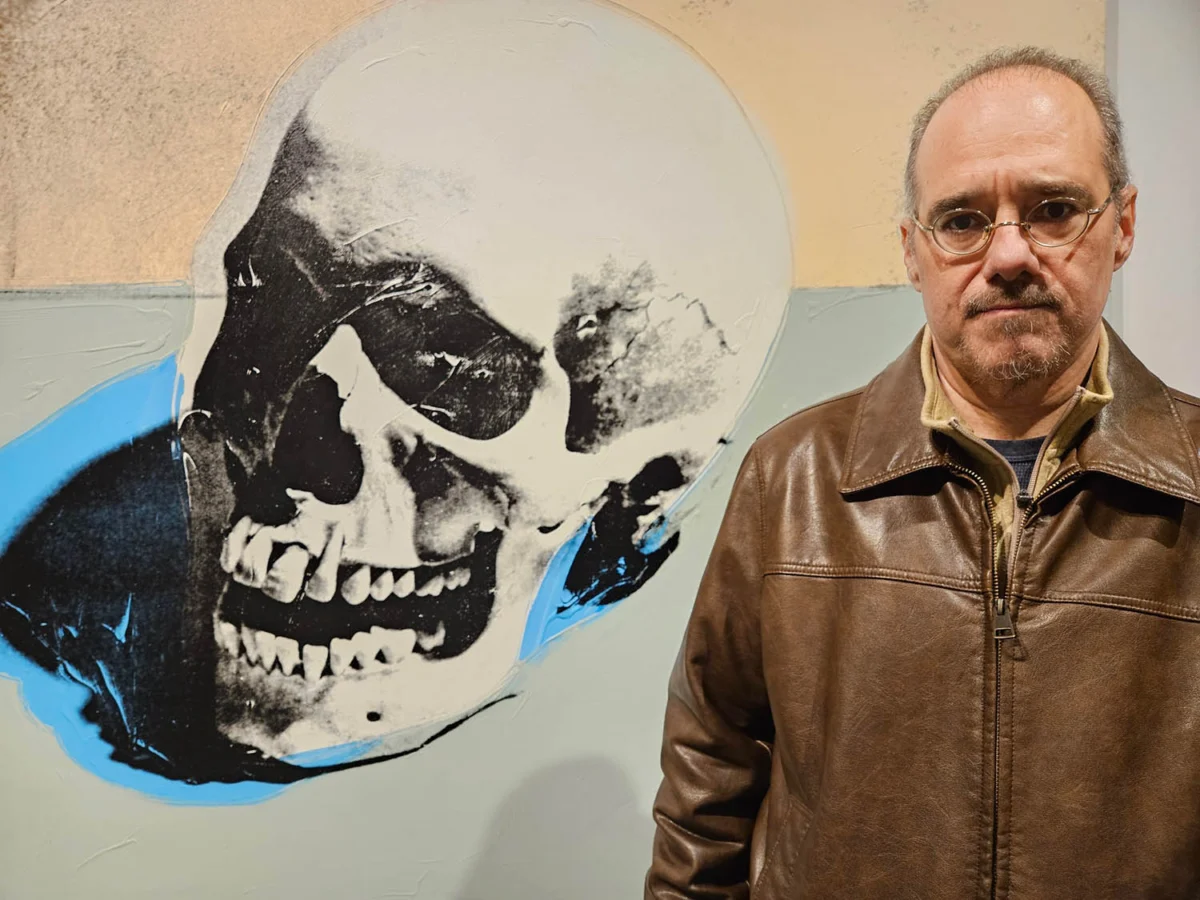
The field of psychology has lost one of its most profound and articulate voices. Dr. Brent Dean Robbins, a seminal figure in humanistic psychology and a fierce advocate for the "dignity of persons," passed away on April 28, 2026. Known for his unwavering critique of the medicalization of human distress and his efforts to reform psychological education, Dr. Robbins leaves behind a legacy that bridges the gap between deep philosophical inquiry and practical, compassionate clinical care.
His death marks the end of an era for those who view psychology not merely as a branch of medicine, but as a human science dedicated to understanding the lived experience. As a professor, author, mentor, and institutional builder, Dr. Robbins spent decades challenging the status quo, urging the mental health field to look beyond the Diagnostic and Statistical Manual of Mental Disorders (DSM) and see the whole human being.
Main Facts: A Voice for the Lived Experience
Dr. Brent Dean Robbins was a prominent psychologist whose work centered on the intersection of phenomenology, humanistic psychology, and the critique of the biomedical model. At the time of his passing, he was widely recognized for his leadership at Point Park University and his influential role within the American Psychological Association’s (APA) Society for Humanistic Psychology (Division 32).
Dr. Robbins was perhaps best known for his vocal opposition to the "narrowing of human suffering." He argued that the modern psychiatric establishment, through the DSM, had reduced complex human emotions and existential crises to a series of biological glitches. His work sought to restore a sense of agency and meaning to those experiencing mental distress, emphasizing that suffering is often a meaningful response to life’s circumstances rather than a mere symptom of a chemical imbalance.
Throughout his career, Dr. Robbins authored and edited several foundational texts. His 2018 book, The Medicalized Body and Anesthetic Culture: The Cadaver, The Memorial Body, and The Recovery of Lived Experience, is considered a masterwork in the philosophical critique of modern medicine. Furthermore, his collaborative work, Drugging Our Children: How Profiteers Are Pushing Antipsychotics on Our Youngest, and What We Can Do to Stop It, served as a clarion call for ethical reform in pediatric psychiatry.

Chronology: A Career Dedicated to Reform
Early Academic Foundations
Dr. Robbins’ journey began with a deep immersion in the continental philosophical tradition. He earned his Ph.D. in Clinical Psychology from Duquesne University, an institution renowned for its focus on phenomenology and existential psychology. It was here that he developed the intellectual tools to challenge the prevailing positivist and behaviorist trends in American psychology.
Building the Point Park Legacy
After establishing himself as a scholar, Dr. Robbins transitioned into leadership. One of his most significant practical achievements was the creation of the Psy.D. program in Clinical Psychology at Point Park University in Pittsburgh. He did not merely want to teach humanistic principles; he wanted to institutionalize them.
The program was designed with a "distinctive focus on humanistic and community psychology," ensuring that the next generation of clinicians would be trained to view patients through a lens of dignity and social context rather than just pathology. Achieving APA accreditation for a program with such a specific, non-traditional focus was a monumental task that solidified his reputation as a visionary administrator.
The Fight Against Over-Medication
In the 2010s and 2020s, Dr. Robbins became increasingly involved in the public discourse surrounding psychiatric over-medication. He worked closely with other reformers, including Robert Whitaker, the founder of Mad in America. He became a frequent contributor and a guiding light for the MIA community, advocating for alternatives to the long-term use of psychotropic drugs and highlighting the social determinants of mental health.
Final Years and the Cancer Diagnosis
In the years leading up to his death, Dr. Robbins faced a personal battle with cancer. True to his humanistic roots, he did not shy away from the existential weight of this diagnosis. In February 2025, he participated in a widely read interview titled "All Real Living Is Meeting," where he spoke candidly about love, loss, and the future of psychology. He used his own experience of illness to reflect on the importance of human connection and the "recovery of lived experience" even in the face of mortality.

Supporting Data: Intellectual Contributions and Literary Impact
Dr. Robbins’ influence can be quantified through his extensive body of work and the institutional milestones he reached.
Philosophical Alternative to the DSM
Robbins was a key figure in the "Open Letter to the DSM-5" movement, which garnered thousands of signatures from mental health professionals worldwide. This movement criticized the expansion of diagnostic categories that risked labeling normal human experiences—such as grief or childhood exuberance—as mental disorders. He argued that the DSM lacked a solid scientific foundation and instead functioned as a tool for social control and pharmaceutical profit.
"The Medicalized Body and Anesthetic Culture"
In this seminal 2018 text, Robbins explored how modern culture treats the living body as if it were a cadaver—an object to be manipulated rather than a subject that experiences the world. He coined the term "anesthetic culture" to describe a society that seeks to numb pain and distress at all costs, thereby losing the depth and meaning that suffering can provide.
Quantitative and Qualitative Research
While he was a philosopher at heart, Robbins also contributed to empirical research. He was a proponent of qualitative research methods that allowed for the "voices" of participants to be heard. His work on the psychology of joy, wonder, and the aesthetics of human existence provided a much-needed counterbalance to the field’s preoccupation with "dysfunction."
Official Responses and Tributes
The news of Dr. Robbins’ passing has prompted an outpouring of grief and gratitude from the academic and clinical communities.

From Point Park University: Colleagues at Point Park have noted that the Psy.D. program stands as a "living monument" to his dedication. They described him as a "transformative leader" who treated his students as colleagues-in-the-making, always emphasizing that the "real living" of psychology happens in the meeting between two persons.
From Mad in America: Robert Whitaker and the editorial team at Mad in America expressed profound sadness, noting that Robbins was a "longtime proponent" and mentor who opened doors for many writers and activists in the critical psychiatry movement. "Brent was one of the field’s clearest voices," the organization stated, highlighting his role in bridging the gap between academia and public advocacy.
From the Society for Humanistic Psychology (APA Division 32): Leaders within the division recalled Dr. Robbins as a past president and a recipient of numerous awards for his contributions to the field. They noted his unique ability to combine "rigorous scholarship with a warm, compassionate heart."
Personal Mentorship: Many of his former students have taken to social media to share stories of how Dr. Robbins supported them during their most difficult moments, often providing the "dignity and respect" that he championed in his writing.
Implications: The Future of Humanistic Psychology
The passing of Dr. Brent Dean Robbins leaves a significant void in the leadership of the humanistic movement, but his work provides a roadmap for the future.

1. The Continuation of the Humanistic Psy.D.
The program at Point Park University remains a vital training ground. The implication of Robbins’ death is a call to action for his colleagues to maintain the "humanistic and community" focus he established, ensuring that the program does not drift toward the very biomedical model he fought to provide an alternative to.
2. A Call for Ethical Psychiatry
Robbins’ work on the "medicalized body" continues to be relevant as the debate over the "chemical imbalance" theory of depression reaches a fever pitch in mainstream media. His books will likely serve as foundational texts for new researchers looking to understand the sociological and philosophical roots of the mental health crisis.
3. The Recovery of "The Lived Experience"
Perhaps the most lasting implication of Robbins’ life is the reminder that psychology must remain "human." In an age of increasing digitalization, AI-driven therapy, and neurological reductionism, Robbins’ insistence that "all real living is meeting" serves as a necessary corrective. He argued that we cannot understand the brain without understanding the person, and we cannot understand the person without understanding their world.
Dr. Robbins is survived by a "beautiful and loving family" and a global community of scholars who remain committed to his vision. In his obituary, he requested that donations be made to Mad in America, a final gesture of support for the cause of psychiatric reform.
As the field of psychology moves forward, it does so with a heavy heart but a clear direction, guided by the intellectual and moral compass that Dr. Brent Dean Robbins provided for over three decades. His life was a testament to the idea that the greatest act of a psychologist is not to "fix" a patient, but to meet them in their humanity.