






A groundbreaking study from the University of Copenhagen has uncovered a stark reality regarding birth order and long-term health: second-born children are significantly more vulnerable to severe respiratory illnesses than their first-born counterparts. This increased susceptibility, driven largely by exposure to pathogens brought home by older siblings, does more than just fill hospital beds—it creates a lifelong ripple effect that impacts academic attainment and adult earning potential.
Published in the American Economic Review, the research offers a sobering look at how the timing of early-life immune challenges can alter the socioeconomic trajectory of an individual. By analyzing data from over 1.2 million Danish children, researchers have moved beyond simple correlations to identify clear, causal links between infant respiratory health and success in adulthood.
Main Facts: The "Sibling Effect" on Infant Health
The central thesis of the study posits that the family environment is a primary determinant of early-life health outcomes. For first-born children, the risk of contracting severe respiratory viruses is limited by their exposure to the outside world, which is typically mediated and controlled by parents. However, for second-born children, the risk profile changes dramatically. They are introduced to a "viral reservoir" the moment they arrive home: their older siblings.
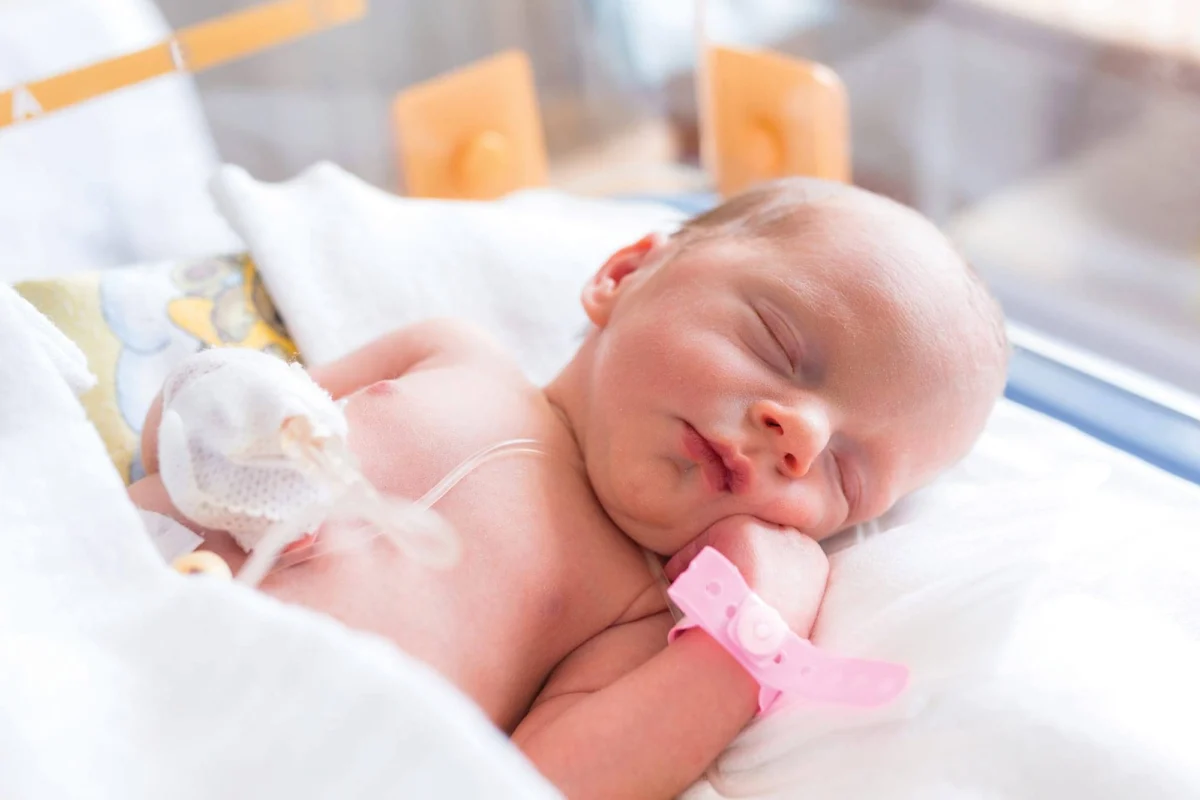
The data reveals that second-born infants face a two to three times higher risk of being hospitalized with respiratory illnesses compared to first-born children of the same age. This disparity is most critical during the first six months of life, a window in which an infant’s immune system is still rapidly developing and highly susceptible to complications from common pathogens such as Respiratory Syncytial Virus (RSV), influenza, and other viral triggers.
The researchers emphasize that this is not merely a matter of "getting sick." It is about the severity of the illness that necessitates hospital-level intervention. These hospitalizations serve as a marker for the biological stress placed on the infant, which the study argues acts as a catalyst for long-term developmental challenges.
Chronology of the Research: From Data to Discovery
The study’s methodology is what distinguishes it from previous pediatric research. By leveraging Denmark’s comprehensive national register data, researchers were able to track the lives of 1.2 million individuals from birth well into their adult years.
The Phases of Inquiry:
- Data Compilation: Researchers aggregated decades of health records, educational transcripts, and tax data. This longitudinal approach allowed them to connect a specific hospital admission in infancy to a tax return filed thirty years later.
- Accounting for Variables: To ensure the results were not skewed by socioeconomic status, the team controlled for parental education, household income, and neighborhood factors.
- The "Natural Experiment": The researchers utilized local variations in seasonal disease outbreaks to isolate the effect of infection. By comparing children born just before a surge in local respiratory illness to those born just after, they could determine the causal impact of the illness itself, rather than attributing the outcomes to other family-level factors.
- Longitudinal Tracking: The final phase involved analyzing the academic and financial records of these children as they moved through primary school, secondary school, and into the workforce.
This robust framework allowed the researchers to move past the "correlation trap," providing a definitive look at how an infection in the cradle can influence a bank account in middle age.
Supporting Data: Quantifying the Lifetime Cost
The statistical findings of the study are as precise as they are concerning. The impact of early-life respiratory illness appears to follow a linear path: from biological vulnerability to educational setback, and finally, to economic shortfall.
Educational Attainment
The study highlights that children who suffer severe respiratory infections as infants are statistically less likely to complete both secondary and higher education. The probability of obtaining a university degree drops by approximately 0.4 percentage points for those who experienced severe respiratory illness in infancy. While 0.4% may seem like a marginal figure, when applied to a national population, it represents a significant segment of the workforce being diverted from higher-skilled careers.
Earning Potential
The financial fallout is even more tangible. Adults who suffered from these illnesses as infants face a, on average, 1% reduction in annual income. The researchers note that this is not a result of a direct, singular cause, but rather the cumulative effect of early educational disruptions. When a child misses school or struggles to focus due to the lingering effects of early-life health issues, the "compounding interest" of human capital is diminished.
"A significant proportion of the loss of income can be explained by the fact that illness in infancy affects children’s educational pathways," notes N. Meltem Daysal, associate professor at the Department of Economics and the Center for Economic Behavior and Inequality (CEBI).
Official Responses and Expert Perspective
The academic and medical communities have received the findings with a mix of validation and a call for policy shifts. Dr. Daysal, the lead author, has been vocal about the implications of the study, noting that the healthcare system often views a hospital discharge as the "end" of the problem, when in reality, it may be the beginning of a long-term challenge.
"We see that second-born children have a two to three times higher risk of being hospitalized with respiratory illnesses during infancy compared to first-born children at the same age," Daysal reiterated in a press statement.
Experts in pediatric pulmonology and public health policy have lauded the study for its focus on the socioeconomic determinants of health. There is a growing consensus that the traditional model of "treating the patient" needs to evolve into a "treating the environment" model. If the home environment—specifically the interaction between siblings—is a primary driver of disease, then the advice given to parents during prenatal care must be updated.
Implications: A Call for Early Intervention
The most significant takeaway from the University of Copenhagen’s research is the potential for intervention. If the long-term damage is rooted in early-life infection, the solution must lie in early-life prevention.
Recommendations for Policy and Practice:
- Targeted Vaccination Programs: The study suggests that public health initiatives should prioritize the vaccination of older siblings in families with newborns. By reducing the viral load carried by older children, the risk to the infant is lowered significantly.
- Enhanced Parental Education: Parents need to be better equipped with strategies to manage hygiene and social interactions within the home when a new baby arrives, especially during peak respiratory virus seasons.
- Support for Childcare Settings: Because childcare centers are notorious hubs for viral transmission, the researchers suggest that policies supporting families with both infants and children in daycare could have broad societal benefits.
- Early Educational Support: For children who are hospitalized with respiratory issues in infancy, the findings suggest that school systems should proactively monitor these students. Early academic support could help mitigate the "educational drag" caused by early health challenges, potentially closing the gap in later earning potential.
The Broader Societal Benefit
The study concludes on an optimistic, albeit urgent, note. By acknowledging that infant health is an investment in future human capital, policymakers can view investments in pediatric healthcare not as a budget drain, but as a preventative measure for long-term economic prosperity.
"Through vaccination, good hygiene, and support for families with both infants and children in childcare, we can reap benefits that extend far beyond the healthcare system," says Daysal.
The research serves as a poignant reminder that the cradle is the foundation of the career. As society continues to grapple with the rising costs of healthcare and education, this study provides a roadmap for how we might improve both by simply paying more attention to the health of our youngest, most vulnerable citizens. By protecting the infant today, we are effectively securing a more productive, healthier, and more equitable workforce for tomorrow.