









By Daniel Payne
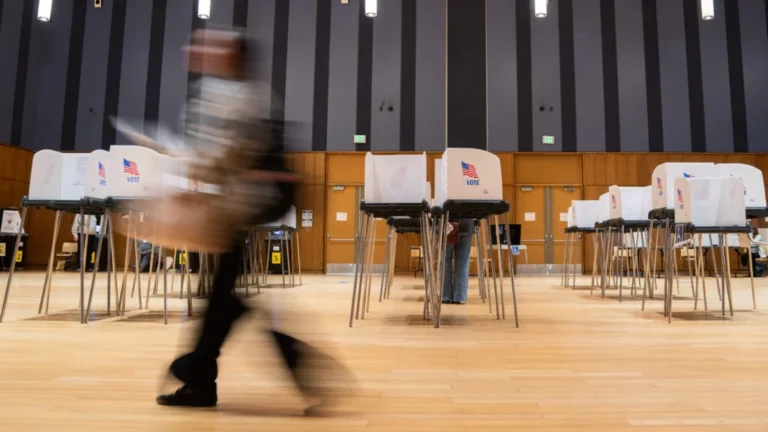
WASHINGTON — As the nation approaches the final hours of the midterm elections, the atmosphere in the capital is thick with anticipation. Beyond the immediate partisan jockeying for control of the House and Senate, a profound, systemic shift is looming for the U.S. health care apparatus. Regardless of which party emerges with the gavel, the results of this Tuesday will dictate the trajectory of federal health policy for the remainder of the decade.
From the regulatory oversight of the pharmaceutical industry to the stability of the Affordable Care Act (ACA) exchanges, the stakes are existential. Over the past several weeks, I have engaged in deep-background conversations with more than two dozen stakeholders—ranging from high-ranking government officials and health policy consultants to veteran lobbyists and congressional staffers. The consensus is clear: the U.S. health system is on the precipice of a significant transformation, with the outcome of the vote serving as the catalyst.
The Core Stakes: A Tale of Two Legislative Futures
The legislative machinery of Capitol Hill is governed by the majority. A transition in power—or a consolidation of it—will fundamentally alter the committee-level work that governs health policy.
If Democrats maintain control of Congress, we are likely to see a continuation of the "protect and expand" strategy. This entails rigorous oversight of the drug pricing reforms passed under the Inflation Reduction Act, efforts to further stabilize the ACA, and a sustained push toward codifying reproductive health protections. However, even under a blue banner, the legislative pace is expected to slow as the window for bipartisan breakthroughs narrows in the face of a polarized electorate.
Conversely, a Republican takeover would represent a seismic shift. The party’s agenda is heavily weighted toward aggressive oversight of federal health agencies, including the Department of Health and Human Services (HHS), the Centers for Disease Control and Prevention (CDC), and the National Institutes of Health (NIH). Expect a surge in subpoenas, high-profile committee hearings regarding the origins of the pandemic, and a concerted effort to scale back the administrative state’s influence on the private health sector.
Chronology: The Road to the Midterms
To understand the current volatility, one must look at the recent timeline of health policy in Washington:
- 2021: The Post-COVID Pivot: Following the initial response to the pandemic, the federal government shifted its focus toward the recovery of the health care system, emphasizing vaccine distribution and the strengthening of public health infrastructure.
- Early 2022: The Pricing Struggle: Tensions flared as the Biden administration began its push for drug pricing reform, leading to a year-long lobbying war between pharmaceutical giants and the White House.
- August 2022: The Inflation Reduction Act (IRA): The passage of the IRA marked the most significant change to Medicare in a generation, allowing for limited price negotiations. This landmark legislation serves as a primary wedge issue in the current election cycle.
- Fall 2022: The Campaign Sprint: As candidates hit the trail, health care evolved from a niche policy issue to a dominant campaign narrative, fueled by debates over abortion access, inflation-driven medical costs, and the ongoing mental health crisis.
Supporting Data: The Pulse of the Health Industry
The health sector remains the largest component of the U.S. economy, and its sensitivity to political shifts is acute. Recent market data suggests that investors and stakeholders are bracing for volatility:
- Lobbying Expenditures: According to OpenSecrets, health sector lobbying reached record highs in the third quarter of 2022, as firms sought to insulate themselves from potential post-election regulatory overhauls.
- Market Sentiment: Publicly traded health insurers and pharmaceutical manufacturers have shown a "wait-and-see" pattern in their recent earnings calls, citing the uncertainty of congressional committee leadership as a primary risk factor.
- Public Opinion: Polling data consistently ranks health care costs as a top-three issue for American voters. The disparity between Democratic and Republican approaches—focusing on federal intervention versus market-based competition—has created a clear, binary choice for the electorate.
Official Responses and Stakeholder Perspectives
The industry is split on the implications of the vote. We spoke with several key players on condition of anonymity to gauge the mood:
The View from K Street:
"Regardless of who wins, the era of massive, sweeping legislative packages is likely over," one senior lobbyist remarked. "If the Republicans take the House, we are looking at a two-year cycle defined by investigations and oversight. If Democrats stay in power, they’ll have the mandate to push, but the political capital to pass anything substantial is severely depleted."

The Perspective from Capitol Hill:
A senior staffer for a major health committee noted that the workload will shift dramatically based on the results. "If we lose the majority, our focus shifts entirely to defense. We have to preserve the progress we made on the IRA and the ACA. We expect a ‘war of documents’—constant demands from the other side for internal emails and agency data."
The Academic and Public Health View:
Public health experts warn that the politicization of agencies like the CDC could lead to a "brain drain." If congressional oversight becomes purely performative or hostile, the ability of these agencies to recruit top-tier scientific talent may be compromised, weakening the national response to future public health threats.
Implications: A New Era of Health Governance
The implications of Tuesday’s results extend far beyond the next two years.
1. The Regulatory Power Struggle
If Republicans win the House, they are expected to utilize the power of the purse to constrain the regulatory reach of the FDA and the HHS. This could mean a more permissive environment for drug approvals or, conversely, a more restrictive environment for public health guidance.
2. The Future of Medicare and Medicaid
The fiscal health of these programs is a constant point of contention. A Republican-controlled Congress is likely to prioritize audits and efficiency mandates, potentially tightening access in a bid to reduce federal spending. Democrats, conversely, will push to expand Medicaid in holdout states and protect the current funding levels of Medicare.
3. The Digital Health Frontier
Policy regarding telehealth and digital health integration is currently in a state of "temporary grace" established during the pandemic. Congress will soon need to decide whether to codify these flexibilities. A Republican majority may prioritize private-sector-led innovation, while a Democratic majority would likely insist on strict equity and access guardrails.
4. The Human Element: Access and Equity
Ultimately, the most significant implication is for the patient. A change in the political winds will alter how millions of Americans access care. Policies surrounding reproductive health, mental health parity, and the cost of insulin are all effectively on the ballot. For the average American, the outcome is not merely a shift in political power—it is a shift in the standard of care they can expect from their government.
Conclusion: The Long Road Ahead
As the polls close and the results are tallied, the health care industry will be watching with bated breath. The stability of the U.S. health system relies on a delicate balance of public oversight and private innovation. Tuesday’s outcome will determine whether that balance remains intact or whether we are entering a period of prolonged, intense disruption.
For those in the sector, the mandate is clear: prepare for a shift in the regulatory climate, an increase in oversight activity, and a continued, intense debate over the role of the government in the daily lives of patients. The midterms are not just about who holds the gavel; they are about defining the future of American wellness.
Confidential tips regarding the intersection of health policy and government can be sent securely via Signal at danielp.100.