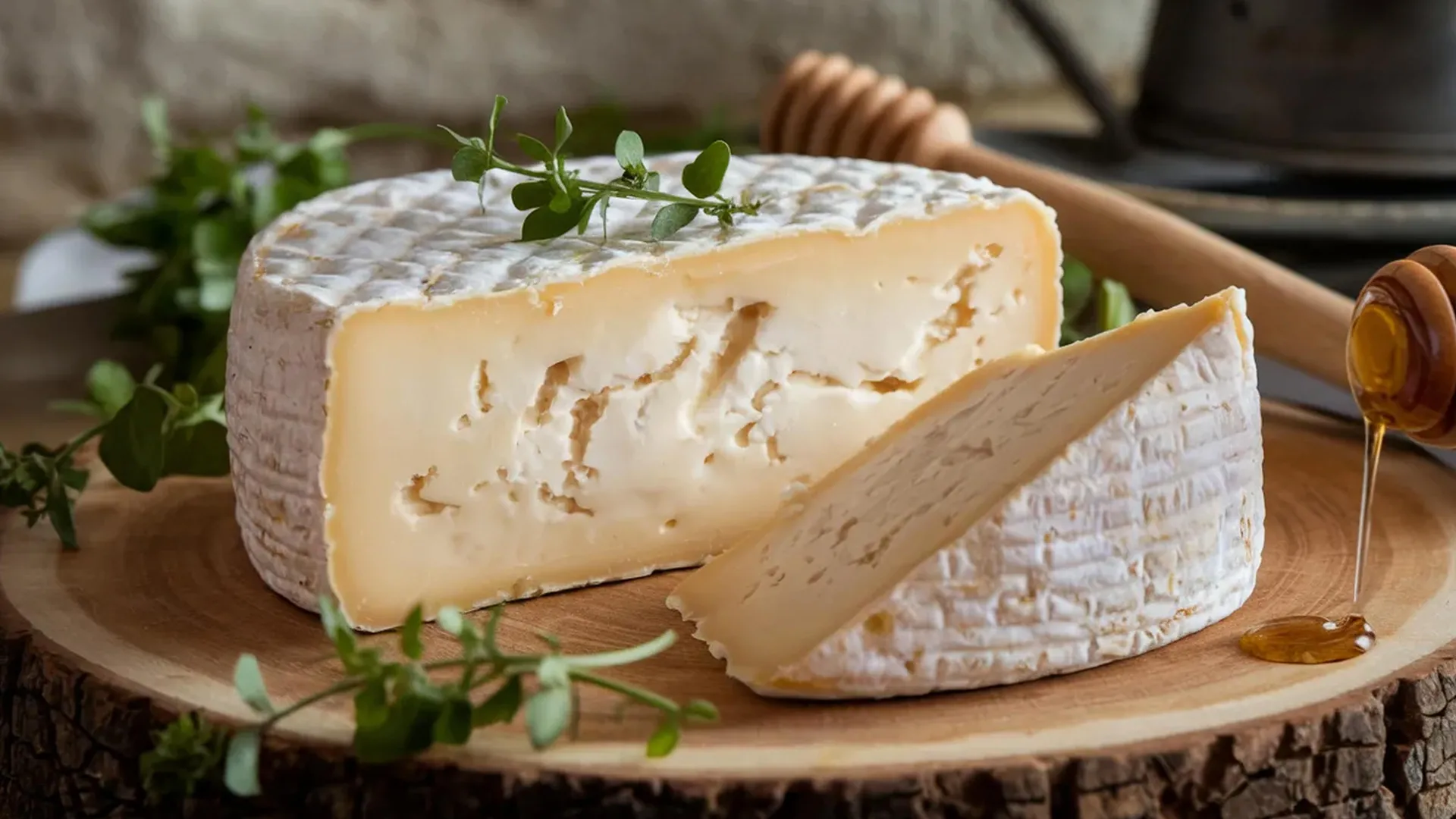
In the quiet, rolling hills of Oxfordshire, a revolution in food science is taking place—not in a high-tech laboratory, but within the aging rooms of a local creamery. For centuries, artisanal cheesemaking has been treated as a delicate art, a craft passed down through generations relying on intuition, tradition, and the unique environment of the dairy. Now, a groundbreaking study from the University of Reading has bridged the gap between culinary tradition and clinical nutrition, revealing that the complex flavor profiles of premium British cheeses are inextricably linked to a diverse ecosystem of microbes that may offer significant health benefits to the human gut.
The study, published in the journal ACS Food Science & Technology, offers a scientific roadmap for why artisanal cheese is far more than a simple dairy product. By analyzing the life cycle of three distinct cheeses from Nettlebed Creamery, researchers have identified a microbial landscape that functions as a natural, edible probiotic delivery system.
The Scientific Core: Understanding the Microbial Transformation
At the heart of the research was a desire to understand the biochemical journey of cheese. The Food Microbial Sciences Unit at the University of Reading tracked the transformation of three Nettlebed Creamery staples: a soft, white-rind cheese; a washed-rind semi-soft variety; and a semi-hard cheese aged in hay.
The researchers employed a rigorous methodology, collecting samples at multiple intervals throughout the maturation process. By analyzing both the bacterial communities and the chemical composition of the cheeses, the team could map exactly how flavors evolved alongside microbial populations.
What they discovered was a dynamic, shifting environment. As the cheeses matured, they did not merely "sit"; they underwent a complex biological evolution. The matrix of fats and proteins within the cheese acts as a protective shield, shielding these beneficial bacteria from the harsh, acidic environment of the human stomach. This unique structural advantage suggests that artisanal cheese may be a superior vehicle for probiotics compared to more common, processed fermented foods.
Chronology: The Life Cycle of an Artisan Wheel
To fully appreciate the findings, one must look at the timeline of maturation, which the researchers categorized into three distinct phases of microbial development.
Phase 1: The Initial Inoculation (Days 1–7)
During the first week, the primary bacterial actors are introduced. For all three varieties, Lactococcus lactis was present from the outset. This workhorse bacterium begins the process of converting lactose into lactic acid, a fundamental step that dictates the pH levels of the cheese. At this early stage, the cheese is chemically unstable and lacks the complex sensory characteristics that define premium varieties.
Phase 2: The Maturation and Diversification (Weeks 2–8)
As the cheeses entered their mid-maturation phase, the microbial diversity began to explode. In the washed-rind and hay-aged varieties, Propionibacterium freudenreichii began to make its presence known. This bacterium is the "hidden architect" of flavor, responsible for the production of propionic acid. This acid is not only a contributor to the savory, nutty notes found in high-quality cheeses but is also recognized for its anti-inflammatory properties and its potential role in cholesterol management and appetite regulation.
Phase 3: The Hay-Aging Milestone (Month 9)
The most striking discovery involved the hay-aged, semi-hard cheese. The researchers found that the aging process—often viewed by traditionalists as a way to impart earthy, grassy notes—resulted in a staggering increase in microbial diversity. By the time the cheese was fully matured, it contained nearly four times as many bacterial species as it had in its infancy. This "bloom" of biodiversity suggests that the environment in which cheese is aged is as important as the milk itself.
Supporting Data: Why Your Gut Loves Cheese
The research team identified several key bacterial strains that elevate these cheeses from mere food to functional nutrition.
- Streptococcus thermophilus: Dominant in the semi-soft and hard cheeses, this strain is well-known in the yogurt industry. Its persistence through the entire maturation process indicates that it remains active and viable even after long periods of aging.
- Penicillium candidum: Found in the white rind of the soft cheese, this mold is responsible for the texture and aesthetic of the product. Beyond the rind’s culinary appeal, the research highlights that it produces chitin, a dietary fiber. Chitin acts as a "prebiotic," essentially providing the fuel that the beneficial bacteria in your gut need to flourish.
- The Lactose Solution: Perhaps the most practical finding for the average consumer is the near-total absence of lactose in mature cheeses. The study confirmed that the fermentation process is so efficient that the lactic acid bacteria consume virtually all the lactose present in the cow’s milk. For many individuals with mild lactose sensitivity, this provides a biological explanation for why they can enjoy artisanal, aged cheeses without the digestive distress often associated with dairy.
Official Responses and Researcher Insight
Sabrina Longley, the lead author of the study and a PhD researcher in the University of Reading’s Department of Food and Nutritional Sciences, occupies a unique position in this field. She is not only a scientist but also an active cheesemaker at Nettlebed Creamery.
"Good cheese is delicious, and the artisan varieties we studied are full of microbial life that could have benefits to your gut health," Longley stated. "The aging process creates more complex aromas and textures through the work of an army of helpful bacteria. We are seeing, for the first time, the evidence of how these matrices—the fat and protein structures—protect these bacteria, effectively turning the cheese into a delivery vehicle for gut-friendly microbes."
The research was supported by a University of Reading regional bursary, an initiative designed to foster local academic talent. Longley’s dual role provided the research team with unprecedented access to the creamery’s production processes, allowing for an analysis that was both scientifically rigorous and commercially relevant.
Implications: The Future of "Functional" Gastronomy
The implications of this research extend far beyond the gourmet cheese counter. We are currently witnessing a global shift toward "functional foods"—products that do more than provide calories; they provide health benefits.
A New Understanding of Probiotics
For years, the probiotic market has been dominated by mass-produced yogurt drinks and supplements. These products often struggle with shelf-stability and the ability to deliver live bacteria to the lower digestive tract. The University of Reading study suggests that nature may have already perfected this delivery system. By consuming cheese, we are not just eating a fermented product; we are consuming a complex, living ecosystem that is naturally "packaged" for survival in the human gut.
The Rise of Prebiotic Rinds
The findings regarding the white mold Penicillium candidum present an interesting shift in dietary advice. For years, some consumers have avoided the rind, viewing it as an unnecessary layer or a potential allergen. However, if the prebiotic potential of chitin is confirmed in further studies, the rind may be rebranded as the most "nutritionally dense" part of the cheese, encouraging a "nose-to-tail" approach to dairy consumption.
The Need for Clinical Intervention Trials
While the findings are promising, the researchers remain cautious. They emphasize that the study provides a "snapshot" of the microbial composition of the cheeses, not a clinical trial of the human gut response.
"More work is still needed," the authors noted in their concluding remarks. "Further research, specifically dietary intervention trials, will be necessary to determine exactly how these bacterial populations behave and change within the human gut microbiota after the cheeses are consumed."
The next stage of research will likely involve human participants, tracking the transit of these specific strains through the digestive system and measuring their impact on markers of health, such as inflammation levels and microbiome diversity.
Conclusion: Bridging Tradition and Biology
The Oxfordshire study serves as a powerful reminder that our traditional food systems often harbor wisdom that modern science is only just beginning to decode. By analyzing the artisanal methods of Nettlebed Creamery, the researchers have provided a compelling case for the nutritional value of traditionally made cheese.
As consumers continue to seek out transparent, locally sourced, and "natural" foods, this study provides a scientific foundation for the health-conscious gourmet. Whether you are enjoying the nutty complexity of a hay-aged hard cheese or the creamy, mold-ripened surface of a soft white variety, you are consuming a sophisticated biological project that has been thousands of years in the making.
The future of nutrition may not lie in a laboratory-engineered pill, but in the traditional aging rooms of local creameries, where the simple combination of milk, salt, and time creates a product that is as beneficial to our internal health as it is pleasurable to our palates. As the research continues, one thing remains clear: the next time you reach for a wedge of artisanal cheese, you aren’t just making a culinary choice—you are supporting a vibrant, microscopic ecosystem that may be working hard to keep you healthy.