









You finally collapse into bed after a grueling sixteen-hour day. Your limbs feel heavy, your eyelids are drooping, and your body is screaming for restorative rest. Yet, the moment your head hits the pillow, the silence of the bedroom is shattered—not by external noise, but by a deafening internal monologue.
Suddenly, you are replaying an awkward conversation from Tuesday, agonizing over a looming deadline, or calculating exactly how many hours of sleep you will lose if you fall asleep "right now." The harder you fight to drift off, the more energized your brain becomes. This phenomenon, known as cognitive arousal, is a modern epidemic, leaving millions of people trapped in a cycle of daytime exhaustion and nighttime alertness.
The Science of the Racing Mind: Main Facts
At its core, a racing mind is not necessarily a sign of a "broken" brain; rather, it is a biological response to the environment and the demands of modern life. During our waking hours, we operate in a state of constant, high-level processing. We manage schedules, respond to digital pings, navigate professional pressures, and mitigate social stress. Throughout this period, our brains suppress the processing of complex emotions or lingering worries simply to maintain efficiency.
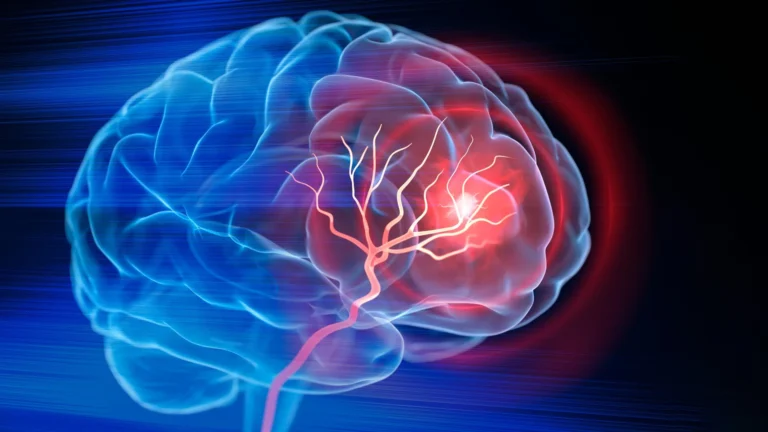
When we finally lie down, the external stimuli vanish. In this vacuum of distraction, the brain—having finally been given a moment of "silence"—immediately pivots to the backlog of information it was forced to ignore all day. Recent research, including studies published in journals such as Scientific Reports, confirms that this "cognitive arousal" creates a neurological state that is fundamentally incompatible with the transition to sleep. The brain remains in an analytical, problem-solving mode, viewing the quiet of the night as the perfect time to "work through" unresolved issues.
Chronology of a Restless Night
To understand why we feel "tired but wired," it is helpful to look at the chronological arc of a typical day for someone struggling with insomnia:
- The Morning Push: The alarm rings, and the internal clock (circadian rhythm) begins its struggle. You start the day already fatigued, relying on stimulants like caffeine to bridge the gap between your biological need for rest and the requirements of your schedule.
- The Afternoon Plateau: As the day progresses, your stress hormones—primarily cortisol—may remain elevated due to caffeine intake and work pressure, preventing your body from naturally slowing down.
- The Evening Window: As you enter your home, you begin to anticipate the "bedtime struggle." This anticipation creates a feedback loop: you begin to worry about not sleeping, which releases more adrenaline and cortisol, ensuring that when you finally do lie down, you are chemically primed for alertness rather than sleep.
- The Midnight Apex: Lying in the dark, the lack of sensory input makes your thoughts feel louder. You check the clock, calculate the remaining hours of the night, and feel a spike in anxiety. The brain, perceiving this anxiety as a threat, increases your heart rate and mental clarity, effectively locking you out of the sleep onset process.
Supporting Data and Evidence
The clinical consensus, supported by organizations like the American Academy of Sleep Medicine, suggests that insomnia is often less about a lack of sleep and more about the "arousal" of the nervous system.
Approximately one in ten adults suffers from chronic insomnia, a condition defined by persistent difficulty with sleep initiation or maintenance that impacts daytime functioning. Data shows that people with "hyperarousal" exhibit higher metabolic rates, elevated heart rate variability, and increased cortisol levels during the transition to sleep.
Furthermore, the "what-if" thinking pattern—a hallmark of generalized anxiety—has been clinically linked to the prolongation of sleep onset. When the brain treats a thought (e.g., "I might fail this project") with the same biological urgency as a physical threat (e.g., "there is a tiger in the room"), the body stays in a state of fight-or-flight, making deep, restorative sleep impossible.
Official Perspectives: The CBT-I Revolution
For decades, the standard approach to insomnia was pharmaceutical. However, clinical bodies now champion Cognitive Behavioral Therapy for Insomnia (CBT-I) as the gold-standard, first-line treatment.
"The goal of CBT-I is not to force sleep, but to dismantle the psychological and physical barriers that prevent it," explains the medical community. Unlike sleep aids, which mask symptoms, CBT-I addresses the root causes. It involves:
- Stimulus Control: Retraining the brain to associate the bed only with sleep, not with tossing, turning, or worrying. If you cannot sleep, you are instructed to leave the room until you are tired.
- Sleep Restriction: Temporarily limiting time in bed to increase "sleep pressure," ensuring that the time spent in bed is actually spent sleeping.
- Cognitive Restructuring: Identifying and challenging the catastrophic thoughts that occur at night (e.g., "If I don’t sleep tonight, I will lose my job tomorrow").
By removing the "effort" from sleep, patients often find that their natural sleep drive—which has been present all along—is finally allowed to take over.
Implications: When to Seek Professional Help
While an occasional night of tossing and turning is a normal human experience, it is vital to distinguish between situational stress and a chronic sleep disorder. You should consult a healthcare professional or a sleep specialist if:
- Impact on Functioning: Your sleep issues are affecting your performance at work, your relationships, or your mood, leading to symptoms of depression or irritability.
- Duration: You have struggled to fall or stay asleep at least three nights a week for three months or longer.
- Physical Symptoms: You experience symptoms like heavy snoring, gasping for air (which may indicate sleep apnea), or restless leg sensations that prevent sleep.
- Reliance on Aids: You find yourself unable to sleep without the use of alcohol, over-the-counter sleep aids, or prescription medication.
Practical Steps to Calm the Mind
While medical intervention is crucial for chronic cases, many individuals can find relief through consistent, evidence-based behavioral changes:
- The "Worry Window": Schedule 15 minutes in the late afternoon to write down your to-do list and your worries. By "offloading" these thoughts onto paper, you signal to your brain that the issues are documented and do not need to be processed in the middle of the night.
- Dimming the Digital World: The blue light emitted by screens suppresses melatonin production. Establish a "digital sunset" at least an hour before bed where screens are prohibited.
- Sensory Cues: Your bedroom should be a sanctuary—cool, dark, and quiet. Use these cues to reinforce the brain’s circadian signal that it is time for rest.
- Acceptance: If you find yourself awake, practice radical acceptance. Tell yourself, "My body is resting, even if my mind is active." By removing the frustration of being awake, you often lower your arousal levels enough to drift off.
Conclusion: The Path to Rest
The "Midnight Paradox" is a reflection of a life lived at high speed. When we treat sleep as another task to be conquered, we inevitably fail. By shifting our perspective—moving from a mindset of "forcing" sleep to one of "allowing" it—we can begin to bridge the gap between our exhausting days and our elusive nights.
If your racing mind feels like an insurmountable obstacle, remember that insomnia is a treatable condition. Whether through the structured guidance of CBT-I or the simple implementation of better sleep hygiene, you are not destined to live in a state of perpetual alertness. For those whose nights remain consistently troubled, the experts at an accredited sleep center offer the tools necessary to reclaim the rest your body requires. Sleep is not a luxury to be earned through struggle; it is a fundamental biological right that, with the right approach, can be recovered.