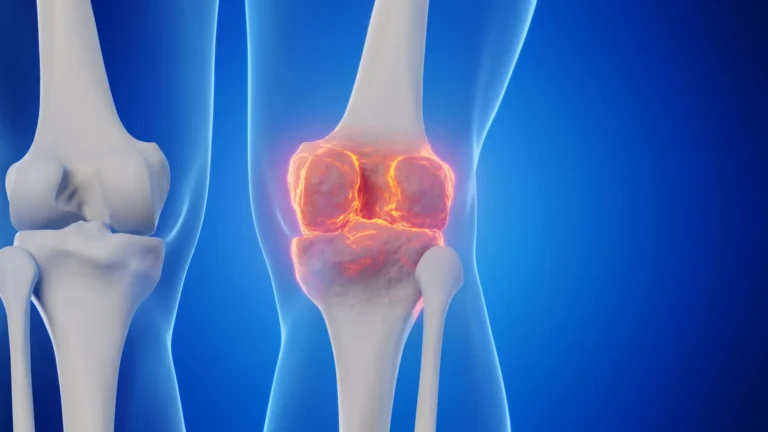
Modern medicine has achieved a remarkable milestone with the advent of GLP-1 receptor agonists and other advanced weight-loss medications. These drugs have transformed the landscape of obesity treatment, allowing millions to shed excess weight with unprecedented efficacy. However, as the medical community celebrates these victories, a persistent clinical challenge remains: the accompanying loss of lean muscle mass. This "muscle wasting" side effect not only threatens metabolic health but can also lead to a rebound effect once treatment ends.
Now, a groundbreaking discovery from the Weizmann Institute of Science may offer a solution. Researchers have identified a specific protein—aptly nicknamed "Mitch" (scientifically known as MTCH2)—that serves as a master regulator of cellular energy. By manipulating this protein, scientists have demonstrated an ability to turn the body into a more efficient fat-burning machine while simultaneously inhibiting the formation of new fat cells. This discovery could pave the way for a new generation of metabolic therapies that protect muscle mass while targeting adipose tissue.
The Genesis of the Discovery: A Surprising Observation in Mice
The journey to identifying the role of MTCH2 began years ago, not in a human clinical trial, but through an unexpected observation in a mouse model. Prof. Atan Gross and his colleagues at the Weizmann Institute’s Department of Immunology and Regenerative Biology were studying the basic biological functions of the MTCH2 protein when they noticed something anomalous.
When the research team suppressed the production of Mitch in the muscle tissue of mice, the animals exhibited a physical transformation that defied conventional expectations. These mice were not merely thinner; they were biologically "fitter." They displayed enhanced endurance, superior performance in physical stress tests, and a remarkable resistance to obesity even when subjected to high-calorie diets.
Most significantly, these mice developed high-density muscle fibers known for their high oxygen-consumption capabilities. This was a paradoxical finding: how could the deletion of a single protein simultaneously prevent obesity and boost physical stamina? The answer, the researchers hypothesized, lay deep within the cell’s internal power plant—the mitochondria.
Understanding the Mitochondrial "Power Plant"
To grasp the significance of the "Mitch" discovery, one must understand the role of mitochondria. These organelles are the engines of the cell, responsible for converting nutrients into adenosine triphosphate (ATP), the chemical currency of life.
Mitochondria are dynamic structures; they frequently fuse together into large, interconnected networks to generate energy with high efficiency. Conversely, they can break apart into smaller, isolated units. This physical organization—or morphology—is a key indicator of metabolic health. When mitochondria are fused, they are generally highly efficient. When they are fragmented, the cell must work harder to produce the same amount of energy, effectively becoming "inefficient."
Prof. Gross’s team discovered that Mitch acts as a traffic controller for this process, regulating the fusion of mitochondria. By manipulating the protein, they found they could dictate the metabolic "tempo" of the cell.
The Mechanism: Engineering Human Energy Shortage
In a recent study published in the EMBO Journal, lead doctoral student Sabita Chourasia and her team expanded the research from mice to human cells using advanced genetic engineering. By removing the Mitch protein from these human cells, the researchers observed a dramatic shift in cellular behavior.
Without Mitch, the organized mitochondrial networks disintegrated into individual, fragmented units. This caused a state of "metabolic inefficiency." While this might sound detrimental, it is actually the key to the discovery’s therapeutic potential.
In this state of cellular energy shortage, the cells are forced to consume more fuel to meet their basic requirements. By analyzing over 100 metabolic substances every few hours, the team observed a marked increase in cellular respiration—the process of converting carbohydrates and fats into energy using oxygen. In essence, the cells were burning through their fuel supplies at an accelerated rate to compensate for their structural inefficiencies.
Fat as the Primary Fuel Source
The most profound finding of the study was the change in the cells’ preferred fuel source. Typically, human cells favor carbohydrates and proteins for energy. However, in the absence of Mitch, the cells shifted their reliance toward fat.
"We discovered that deleting Mitch led to a major drop in fats in membranes," Prof. Gross explained. "At the same time, we saw an increase in fatty substances used to produce energy, and we realized that the fat was being broken down from the membrane to be used as fuel."
This discovery suggests that Mitch is the gatekeeper of fat metabolism. By silencing this protein, the researchers could essentially force the cell to tap into its internal fat stores, providing a biological mechanism to "burn" fat from within the cellular structure itself.
Inhibiting the Formation of New Fat Cells
Beyond burning existing fat, the research team also investigated whether Mitch influences the creation of new fat cells, a process known as adipogenesis. This is particularly relevant, as women with obesity have been found to have elevated levels of the MTCH2 protein, suggesting a link between the protein and the proliferation of adipose tissue.
Fat cells begin as progenitor cells—immature, stem-like cells that wait for the right environmental cues to differentiate into mature, fat-storing cells. When the researchers deleted Mitch from these progenitor cells, the transformation process was severely hindered.
The metabolic energy shortage caused by the absence of Mitch prevented the cells from synthesizing the membranes necessary for growth and differentiation. Furthermore, the genetic expression required for a cell to become a "fat cell" was suppressed. Consequently, the cells were unable to store fat, and the formation of new adipose tissue was significantly reduced.
Implications for Modern Medicine
The implications of this research for the future of obesity treatment are profound. Current weight-loss drugs, while revolutionary, often lead to a loss of muscle mass alongside fat. This is because these drugs typically suppress appetite, leading to a caloric deficit that the body often compensates for by breaking down muscle tissue.
If a therapy could be developed that mimics the effects of deleting the Mitch protein, it could theoretically offer a "dual-action" approach:
- Accelerated Fat Burning: By increasing the metabolic demand of cells, the body would naturally utilize fat stores as fuel.
- Muscle Preservation: Because the mechanism specifically targets mitochondrial efficiency and fat synthesis, it could potentially be paired with existing treatments to ensure that energy expenditure is prioritized toward fat loss rather than muscle degradation.
Looking Ahead: From Bench to Bedside
While the findings are undeniably promising, the researchers are quick to emphasize that this is currently a "bench-side" discovery. Translating these results from human cell cultures to a clinical treatment for humans involves significant hurdles.
The researchers must determine if there is a safe way to modulate MTCH2 levels in living human subjects without causing systemic side effects. Furthermore, the study involved collaboration with prestigious institutions, including the University of Pennsylvania and the University of Texas at San Antonio, signaling that this is a global, multi-faceted effort to address the root causes of metabolic syndrome.
Prof. Atan Gross, who holds the Marketa & Frederick Alexander Professorial Chair, notes that the discovery of the Mitch pathway provides a new, clear target for pharmaceutical intervention. "We have identified a powerful biological pathway that influences both energy use and fat storage," Gross said. "The challenge now is to harness this knowledge to create interventions that are both safe and effective for patients struggling with obesity."
As obesity rates continue to climb globally, the need for diversified, targeted treatments has never been greater. The "Mitch" protein represents a sophisticated new target in the complex map of human metabolism. By shifting the focus from simply suppressing appetite to optimizing how the body processes and stores energy, the team at the Weizmann Institute has opened a door to a new era of metabolic medicine—one where the preservation of muscle and the efficient utilization of fat are no longer mutually exclusive, but part of a single, coherent health strategy.
Future studies will undoubtedly focus on the development of small-molecule inhibitors that can selectively target MTCH2, moving the world one step closer to a future where obesity is not just managed, but treated at the very heart of the cell.