








For decades, coffee has been the subject of an intense love-hate relationship in the scientific community. While millions rely on its stimulating properties to jumpstart their mornings, researchers have long been intrigued by something more profound: the consistent, observational link between regular coffee consumption and a lower risk of chronic diseases, including type 2 diabetes, Parkinson’s, Alzheimer’s, and various cancers.
Despite this overwhelming epidemiological evidence, the "why" behind the benefits has remained elusive. Coffee is a chemical powerhouse, containing hundreds of distinct compounds, making it difficult for researchers to pinpoint exactly how it exerts its protective effects on human biology. However, a breakthrough study from the Texas A&M College of Veterinary Medicine and Biomedical Sciences (VMBS) may have finally pulled back the curtain on this mystery. By identifying a specific receptor that interacts with coffee’s chemical arsenal, scientists have uncovered a potential master switch for cellular health.
The Discovery: Connecting Coffee to the NR4A1 Receptor
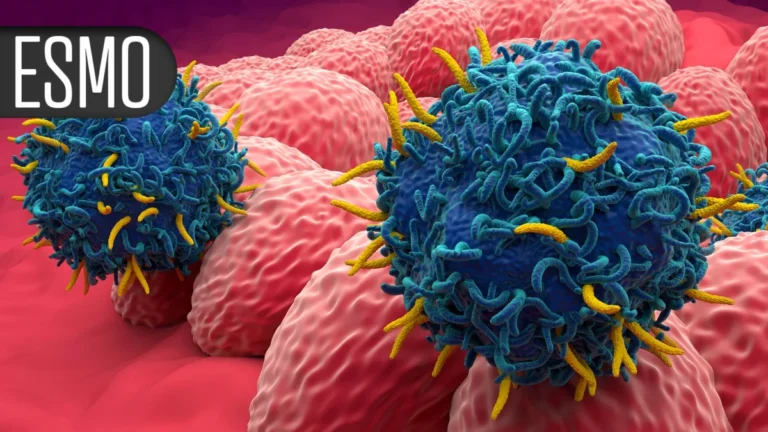
The research, published in the journal Nutrients, centers on a protein known as NR4A1. This receptor is a member of the nuclear receptor family—proteins responsible for controlling gene activity in response to external signals like stress or tissue damage.
Dr. Stephen Safe, a distinguished professor and the Sid Kyle Endowed Chair in Veterinary Toxicology at VMBS, spearheaded the study. His team hypothesized that if coffee truly protects against age-related decline, it must be interacting with one of the body’s innate protective systems. They found that certain compounds within coffee—specifically polyhydroxy and polyphenolic compounds, such as caffeic acid—effectively bind to and activate NR4A1.
"Coffee has well-known health-promoting properties," Dr. Safe explained. "What we’ve shown is that some of those effects may be linked to how coffee compounds interact with this receptor, which is involved in protecting the body from stress-induced damage."
A Chronology of the Research: From Observation to Mechanism
The journey to this discovery followed a meticulous scientific trajectory. For years, the scientific community relied on observational studies—large-scale population data that tracked the health outcomes of coffee drinkers versus non-drinkers. These studies consistently suggested that coffee was linked to longevity and disease resistance, but they lacked the "smoking gun" of a biological mechanism.
The Phases of Investigation:
- Hypothesis Formulation: Recognizing NR4A1 as a "nutrient sensor," Dr. Safe and his team questioned whether the dietary compounds found in coffee were specifically targeting this receptor to mediate its anti-inflammatory and cytoprotective effects.
- Collaborative Synthesis: The project drew on a multidisciplinary team from Texas A&M, including experts in toxicology, pharmacology, and neurology, such as Drs. Robert Chapkin, Roger Norton, James Cai, and Shoshana Eitan.
- Molecular Validation: The team utilized laboratory cell models to test the interaction between various coffee compounds and the NR4A1 receptor.
- The "Knockout" Experiment: To prove causality, the researchers removed the NR4A1 receptor from the cells. When the receptor was absent, the protective effects of the coffee compounds—including the reduction of cellular damage and the slowing of cancer cell growth—vanished. This confirmed that the receptor was the primary gatekeeper for these benefits.
Supporting Data: It’s Not Just About the Caffeine
One of the most surprising findings of the Texas A&M study is the demotion of caffeine as the "star player" in coffee’s health profile. While caffeine is the most famous constituent of the beverage, the research suggests that it is not the primary driver of these long-term biological protections.
In laboratory models, while caffeine did interact with the NR4A1 receptor, its activity was negligible compared to other natural compounds. The polyhydroxy and polyphenolic compounds—naturally occurring antioxidants found in many plants, fruits, and vegetables—proved to be significantly more potent at binding to and activating the receptor.
This finding carries major implications for the coffee industry and public health. It provides a biological rationale for why studies have consistently shown that both caffeinated and decaffeinated coffee provide similar longevity benefits. It shifts the narrative from "caffeine stimulation" to "nutritional supplementation," suggesting that the health value of coffee is embedded in the complex chemical profile of the bean itself, rather than the stimulant that gives it its kick.
The Role of NR4A1 in Aging and Resilience
To understand why this discovery is significant, one must look at what NR4A1 actually does. In the world of molecular biology, NR4A1 is recognized as a vital component of the body’s homeostatic maintenance. It acts as a sentinel, scanning for cellular distress and initiating repair mechanisms.
"If you damage almost any tissue, NR4A1 responds to bring that damage down," says Dr. Safe. "If you take that receptor away, the damage is worse."
The receptor’s involvement in inflammation, metabolic regulation, and tissue repair makes it a high-value target for researchers studying the "hallmarks of aging." As we age, our cells accumulate damage from metabolic byproducts and oxidative stress. By activating the NR4A1 receptor, coffee compounds may be helping the body keep these processes in check, effectively creating a more resilient cellular environment. This explains the correlation between coffee consumption and a reduced risk of diseases like Alzheimer’s and Parkinson’s, both of which are heavily influenced by chronic inflammation and the loss of cellular integrity.
Implications for Future Drug Development
The study does more than just validate your morning espresso; it opens new doors for pharmacology. Because NR4A1 is so central to the body’s response to damage, it has become a prime candidate for drug development.
Dr. Safe’s team is already pivoting to investigate synthetic compounds that could target this receptor more precisely and effectively than natural dietary substances. By mimicking the way coffee compounds activate NR4A1, researchers hope to develop new treatments for cancer, neurodegenerative diseases, and metabolic disorders. The natural compounds in coffee act as a "proof of concept" that the receptor can be modulated to improve health outcomes, providing a blueprint for the next generation of targeted therapies.
Official Perspectives and Scientific Caution
While the findings are compelling, the researchers are careful to emphasize that this is a mechanistic study, not a clinical prescription. "There’s still a lot of work to be done," Dr. Safe noted. "We’ve made the connection, but we need to better understand how important that connection is."
It is important to distinguish between "mechanism" and "cause and effect." The study proves that coffee compounds can activate a protective receptor in a laboratory setting, but it does not definitively prove that drinking three cups of coffee a day will prevent a specific disease in a specific human. Individual health factors—such as genetics, baseline health, caffeine sensitivity, and overall diet—play a massive role in how the body processes these compounds.
Furthermore, coffee is a "complex mixture," as Dr. Safe puts it. It is highly unlikely that NR4A1 is the only pathway through which coffee benefits the body. Coffee likely influences a wide range of biological systems, including the gut microbiome, insulin sensitivity, and liver function. This research identifies a vital piece of the puzzle, but the full picture remains complex.
Conclusion: The Power of Routine Choices
The Texas A&M study serves as a powerful reminder that our routine dietary choices have deep-seated biological consequences. Often, we view food and drink through a narrow lens—counting calories or looking for an energy boost. This research suggests that we should instead view our diet as a tool for modulating gene activity and cellular repair.
For the average coffee drinker, these findings offer a sense of validation. The ritual of the morning cup is no longer just a way to stave off sleepiness; it is a potential mechanism for reinforcing the body’s internal defenses. By consuming these potent polyhydroxy and polyphenolic compounds, coffee drinkers may be providing their bodies with the raw materials needed to activate protective pathways that help maintain health into old age.
As science continues to peel back the layers of human aging, it is becoming increasingly clear that the path to longevity may not be found in a single "miracle pill," but in the consistent, long-term intake of plant-derived compounds that support our body’s innate resilience. In that regard, the humble coffee bean appears to be one of nature’s most effective, and most delicious, allies.