The origin of a pandemic is often shrouded in the complexities of evolutionary biology, yet new research suggests that the catastrophic leap of a virus from animals to humans can be dictated by changes so small they are nearly invisible to the naked eye. A landmark study, published in the journal Cell Host & Microbe, has identified a singular genetic "switch" that appears to govern how coronaviruses adapt to human hosts, potentially providing the world with the early warning system necessary to prevent future global health crises.
A collaborative effort involving the UCSF Quantitative Biosciences Institute (QBI), the Icahn School of Medicine at Mount Sinai, the Institut Pasteur, and the Fred Hutchinson Cancer Center has unveiled how a difference of just one amino acid in a viral protein can be the deciding factor between a virus that remains dormant in a bat colony and one that triggers a global pandemic.
The Mechanics of Spillover: Unlocking the Viral Code
Most pandemics share a common narrative: a pathogen—typically a virus—makes the "jump" from an animal reservoir into the human population. This process, known as zoonotic spillover, is the focus of intense scientific scrutiny, particularly in the wake of the COVID-19 pandemic. SARS-CoV-2, the virus responsible for the global upheaval of the last several years, is phylogenetically related to coronaviruses that naturally circulate in bat populations. However, the precise molecular mechanisms that allow these viruses to successfully breach the human immune barrier have remained elusive.
The research team, led by Dr. Nevan J. Krogan of UCSF, sought to bridge this gap in understanding by comparing the genetic architecture of SARS-CoV-2 with that of RaTG13. The latter is a coronavirus found in the greater horseshoe bat that shares significant sequence identity with SARS-CoV-2 but, notably, has not been known to cause human disease.
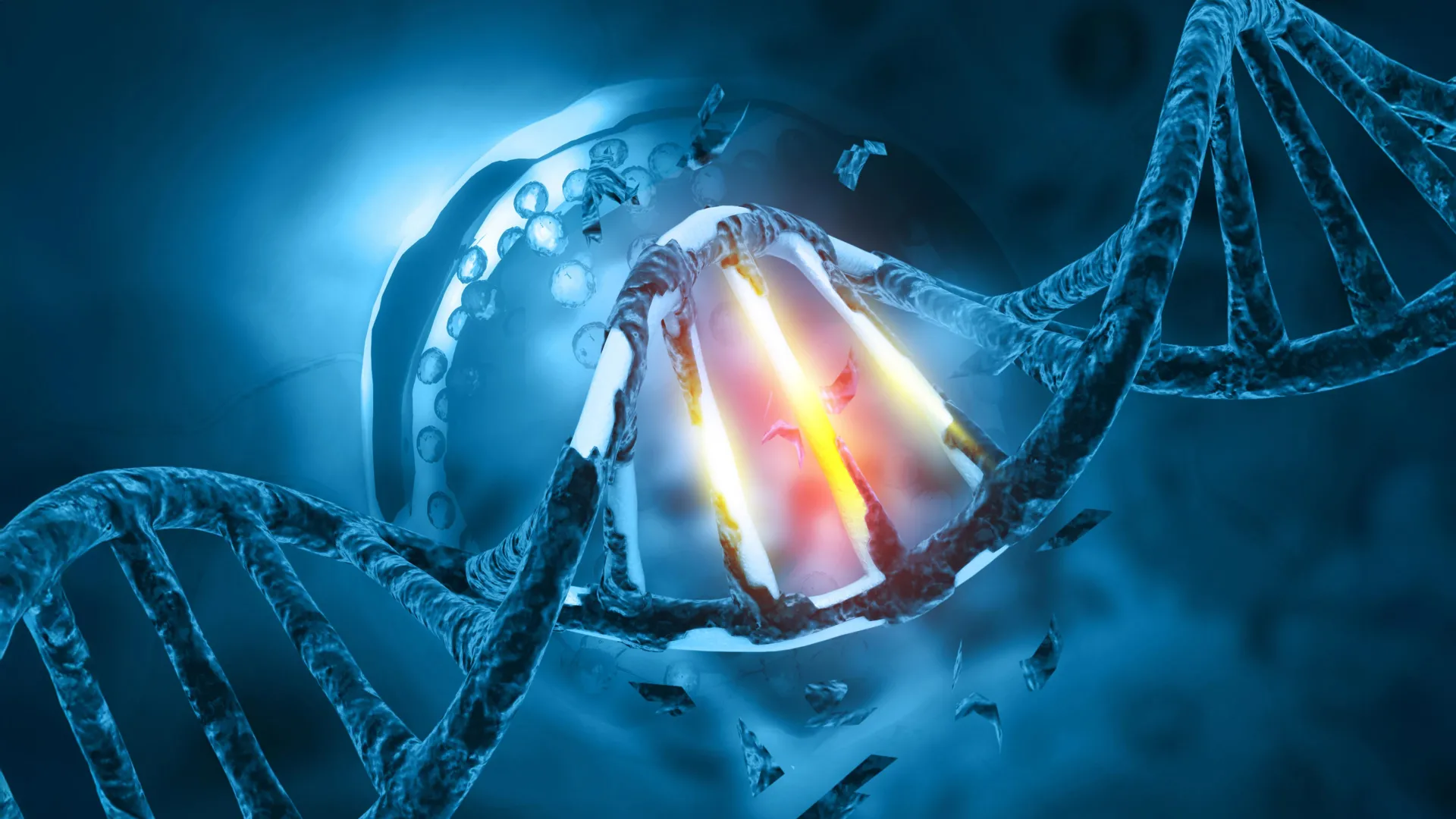
By analyzing these two viruses side-by-side, the researchers identified a specific viral protein, OrfB9, as a key player in the spillover event. Despite the protein consisting of approximately 100 amino acids, the difference between the SARS-CoV-2 version and the RaTG13 version came down to a single amino acid substitution. This infinitesimal change served as a biological "master key," fundamentally altering how the virus interacts with the host’s immune system.
A Chronology of Discovery: Mapping the Molecular Frontier
The study represents a culmination of years of rigorous experimental work, leveraging cutting-edge laboratory techniques to simulate the interaction between viruses and host cells.
Phase 1: The Development of the Model
A significant hurdle in studying bat-borne viruses has been the lack of reliable laboratory models. Traditional cell lines often failed to capture the unique immune nuances of the greater horseshoe bat. To overcome this, the researchers successfully developed the first-ever laboratory-grown lung cell line derived from the greater horseshoe bat. This breakthrough allowed the team to observe, in real-time, how bat immune cells react to viral proteins in a controlled, replicable environment.
Phase 2: Comparative Analysis
With the model in place, the team conducted a comparative analysis of how SARS-CoV-2 and RaTG13 interacted with immune proteins in both human lung cells and the newly developed bat lung cells. The researchers hypothesized that if they could pinpoint the protein responsible for the "species barrier," they could potentially predict which animal viruses possess the highest risk for human transmission.
Phase 3: The Identification of OrfB9
Through a comprehensive mapping of protein-protein interactions, the researchers zeroed in on OrfB9. They observed that in human lung cells, the SARS-CoV-2 version of the protein acted as a sophisticated saboteur, effectively shutting down an essential immune alarm system. By silencing this alarm, the virus gained a critical window of opportunity to replicate undetected, leading to the rapid proliferation that characterizes severe COVID-19.
Conversely, when the RaTG13 version of the protein was introduced to bat cells, it triggered an immune response that successfully contained the virus, preventing it from spreading unchecked. This divergence highlighted that the "spillover potential" of a virus is not necessarily about the complexity of its genome, but rather the strategic efficiency of its proteins in neutralizing host defenses.
Supporting Data: The Power of Micro-Evolution
The data generated by the UCSF-led team underscores a fundamental truth in microbiology: evolution is an incremental process that can produce macro-level outcomes.
In the experimental trials, the researchers documented a stark disparity in immune suppression capabilities. When the SARS-CoV-2 OrfB9 was introduced to human cells, the suppression of the immune protein was highly efficient, leading to increased viral titers. In contrast, the bat-adapted RaTG13 protein failed to suppress these same human immune proteins, essentially "marking" the virus for destruction by the host’s innate immune system.
This finding suggests that the adaptation of SARS-CoV-2 was not necessarily a leap in viral complexity, but a tactical refinement. By swapping or modifying a single amino acid, the virus transitioned from being a harmless guest in a bat to a potent pathogen in a human. This data provides a concrete metric—a "molecular signature"—that researchers can use to scan other animal-borne coronaviruses for similar, high-risk mutations.
Official Responses and Expert Perspective
Dr. Nevan J. Krogan, the director of QBI and senior author of the study, emphasized the profound implications of these findings for global biosecurity. "The difference between a virus that stays in bats and one that spills over into humans and causes catastrophic disease can come down to remarkably small genetic changes," Dr. Krogan noted.
He further articulated the vision for the future, stating, "By mapping these interactions at the protein level—across two viruses and two species—we can read the molecular signatures that predict spillover risk. It’s the kind of early warning system the world needs."
The research has been met with significant interest from the international scientific community, as it provides a concrete framework for "spillover surveillance." By focusing on the interaction between viral proteins and host immune proteins, health agencies can move away from reactive measures—such as waiting for an outbreak to occur—toward proactive surveillance that monitors the specific protein signatures most likely to facilitate a jump to humans.
Implications: The Future of Pandemic Preparedness
The implications of this study are far-reaching, particularly in the realm of infectious disease management and public health policy.
1. Reframing Risk Assessment
Currently, surveillance programs often focus on the broad taxonomy of viruses. However, this study suggests that taxonomical proximity is not enough. Future risk assessments will need to incorporate "molecular interaction profiling." By screening high-risk viruses for the presence of OrfB9-like proteins that demonstrate human-immune-suppressing capabilities, scientists can categorize viruses by their actual potential to cause human harm.
2. Targeted Therapeutic Development
Beyond surveillance, the study opens new avenues for drug development. If the OrfB9 protein is a critical lynchpin in the virus’s ability to evade human immunity, then developing therapeutics that target this specific interaction could provide a universal defense against a range of related coronaviruses. By "blocking the blocker," researchers could bolster the human immune system’s natural ability to recognize and eliminate these pathogens before they establish a foothold.
3. Strengthening Global Biosecurity
The study also highlights the importance of international cooperation. As noted in the funding disclosures, the project was supported by an array of global institutions, including the National Institutes of Health, the Howard Hughes Medical Institute, and the Chan Zuckerberg Biohub. The success of this research demonstrates that pandemic preparedness is a multi-disciplinary endeavor that requires the synthesis of evolutionary biology, proteomics, and international data sharing.
Conclusion
The discovery that a single amino acid change can redefine the host range of a coronavirus is both a sobering reminder of nature’s evolutionary efficiency and a beacon of hope for future mitigation efforts. As we continue to navigate a world where the interface between human and animal habitats is increasingly porous, the ability to read the "molecular signatures" of potential pathogens will be our greatest asset.
By shifting our focus to the intimate, protein-level dance between virus and host, scientists are transforming our understanding of spillover from a mysterious, inevitable occurrence into a mapable, predictable biological process. The path forward is clear: through sustained investment in foundational research and the development of proactive diagnostic tools, the world can move toward a future where the next pandemic is identified and neutralized long before it has the chance to emerge.