Updated May 11, 2026
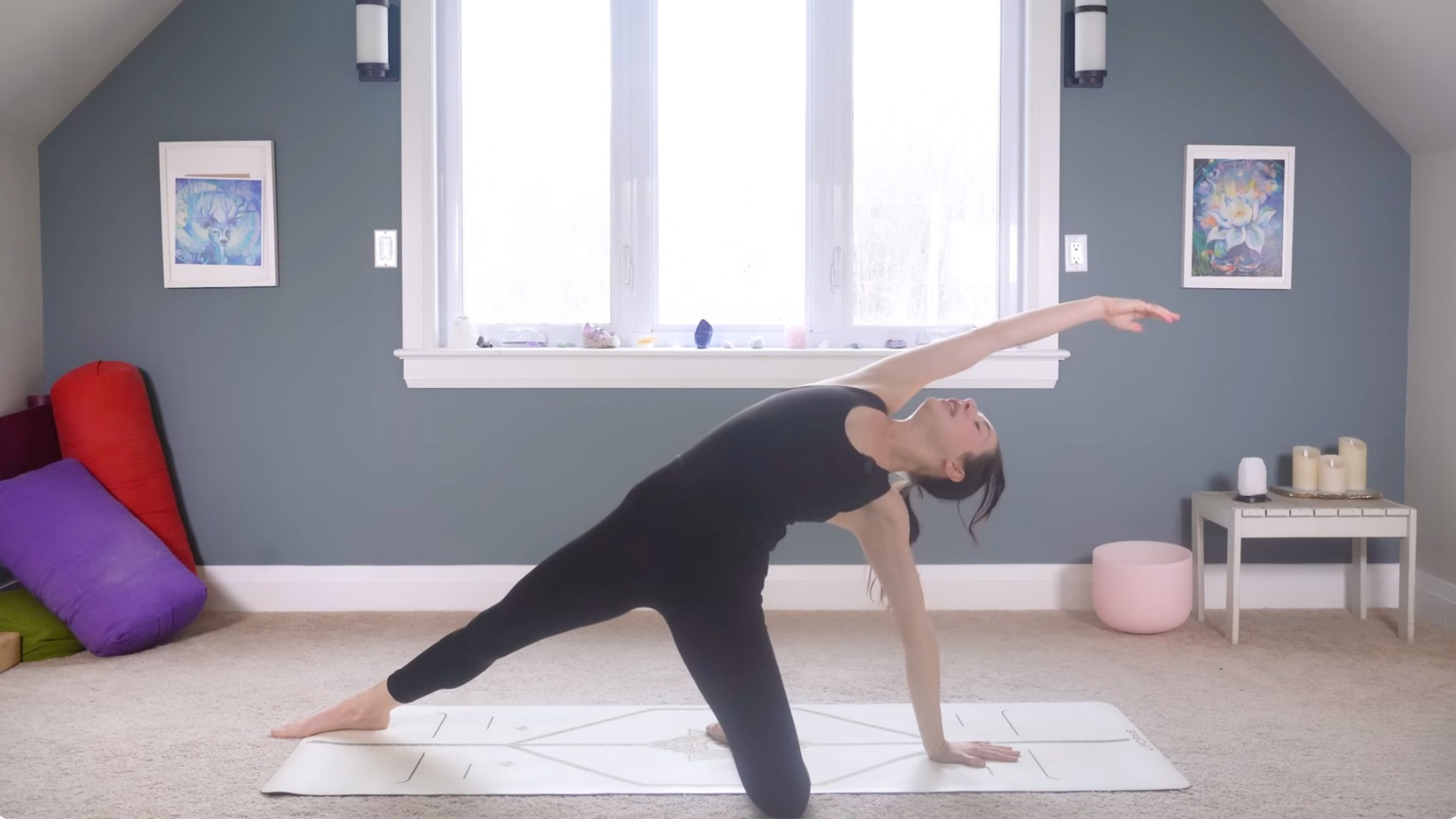
In the landscape of modern wellness, the traditional boundaries between movement modalities are increasingly blurring. As practitioners seek efficiency without sacrificing the holistic benefits of mindfulness, the "Yogalates" hybrid—a fusion of yoga’s flexibility-focused flow and Pilates’ core-centric precision—has emerged as a leading solution for time-pressed individuals. A newly released 20-minute morning routine, guided by instructor Yoga With Kassandra, exemplifies this shift, offering a structured approach to starting the day with strength, stability, and intention.

Main Facts: The Anatomy of a Hybrid Flow
The 20-minute session is designed as an all-levels practice, meaning that while it offers a significant challenge to seasoned athletes, it remains accessible to beginners. The core philosophy of this hybrid workout is not merely to "do yoga and Pilates at the same time," but to intersperse the disciplines to maximize physiological benefits.

The primary objective is the engagement of the deep core—the transverse abdominis—while maintaining the elongated, fluid movements associated with yoga. Unlike a standard Vinyasa class, which focuses heavily on transitions and flow, or a traditional mat Pilates class, which can be highly repetitive, this hybrid approach utilizes the stability of Pilates to support and deepen yoga poses. By focusing on spinal alignment and muscle recruitment, the practice serves as a "wake-up call" for the body’s nervous system, preparing the musculoskeletal structure for the demands of the day ahead.

Chronology of the 20-Minute Sequence
To understand the efficacy of this sequence, one must examine the intentional progression of the movements. The flow is carefully curated to warm the body from the center outward.

1. The Opening: Centering and Mobilization
The session begins with Child’s Pose, a foundational resting posture. The instructor encourages students to focus on the breath and set a daily intention, acknowledging that early-morning tension is normal. The flow then transitions into Cat and Cow, a vital spinal articulation sequence. By focusing on the knuckles and fingertips, practitioners are prompted to distribute weight evenly, building stability in the upper body.

2. The Core-Stability Phase: Kneeling Side Kicks
The transition into Kneeling Side Kicks marks the shift toward pure Pilates. This movement mimics a dynamic, modified Side Plank. By emphasizing "kick, kick, point, sweep" movements, the sequence challenges the glutes and the obliques. It is a critical departure from yoga, as it demands high-intensity, localized muscle control rather than the static hold of a traditional pose.

3. The Flow: Low Lunge and Half Splits
The sequence integrates Low Lunge and Half Splits, providing a necessary release for the hip flexors and hamstrings. These poses serve as "anchors" within the workout, allowing the heart rate to stabilize while maintaining a deep stretch. The addition of overhead arm reaches adds a balance challenge, forcing the practitioner to engage the core to remain upright.

4. The Power Phase: Downward Dog to Swimming
The middle of the workout introduces Downward-Facing Dog and Plank Pose, leading to the Cobra and Swimming exercises. The latter is a hallmark of the Pilates method, focusing on the posterior chain—the muscles along the back of the body. Flutter-kicking while in a prone position ensures that the back muscles are fully activated, a perfect counter-balance to the hunching often experienced while sitting at a desk.

5. The Seated Integration: Spine Stretch and Twist
The final portion of the flow moves to a seated position for Spine Stretch Forward and Spine Twists. These movements emphasize the "long spine" concept, where the goal is not to fold deeply, but to articulate the vertebrae while the core is actively engaged.

6. The Closing: Bridge, Pigeon, and Savasana
The session concludes with Bridge Pose to open the front body, followed by Reclined Pigeon and Reclined Twists to release the glutes and lower back. Finally, a brief Savasana—limited to ten breaths—ensures the practitioner feels refreshed rather than lethargic, ready to transition into the day.

Supporting Data: Why the Hybrid Model Works
The effectiveness of this hybrid approach is rooted in the "mechanical synergy" of the two practices. According to sports science research, Pilates is highly effective at strengthening the "powerhouse"—the muscles of the abdomen, lower back, and hips. When this strength is applied to the flexibility-heavy poses of yoga, the risk of injury decreases.

For instance, in the Bridge Pose, a yogi might focus on the arch of the back. However, by applying Pilates principles—specifically the "inch-by-inch" articulation of the spine and the constant engagement of the glutes—the practitioner shifts the effort from the lumbar spine to the glutes and core. This targeted recruitment is the reason why a 20-minute hybrid session can often feel more physically taxing than a 60-minute passive stretching class.

Official Responses and Perspectives
Wellness experts have increasingly backed the trend of short, hybrid workouts. Fitness consultants note that the biggest barrier to exercise is "time poverty." By condensing a full-body workout into 20 minutes, instructors like Yoga With Kassandra are effectively lowering the barrier to entry for the general public.

"The beauty of this format," notes one physical therapist specializing in movement, "is the attention to the ‘in-between’ spaces. Many people move in a way that is either too aggressive or too passive. This hybrid model teaches the user how to move with integrity—which is the hallmark of both classical Pilates and Hatha yoga."

Implications for the Daily Routine
The implementation of such a routine has significant implications for long-term health. The primary benefits include:

- Improved Postural Awareness: By focusing on the spine and core for 20 minutes, the body is primed to maintain better posture throughout the workday.
- Reduced Morning Stiffness: The combination of mobility (yoga) and strengthening (Pilates) addresses the joint fluid viscosity that occurs after sleep.
- Mental Clarity: The emphasis on setting an "intention" during the opening and closing phases integrates mindfulness with physical exertion.
Furthermore, the "one-word intention" mentioned by the instructor is a psychological tool known as "micro-focusing." By choosing a single word—such as "strength," "focus," or "calm"—the practitioner creates a mental touchstone that can be revisited during stressful moments in the afternoon or evening.

Conclusion: A Blueprint for the Future of Wellness
As we navigate the demands of 2026, the shift toward efficient, high-impact, and accessible wellness routines is not merely a trend; it is a necessity. This 20-minute morning yoga and Pilates hybrid demonstrates that one does not need hours in a gym to cultivate a strong body and a sharp mind. By blending the wisdom of ancient yoga with the clinical precision of Pilates, individuals can build a sustainable, daily practice that supports both physical health and mental well-being.

Whether you are a seasoned yogi or a complete newcomer to mat-based fitness, the sequence outlined above offers a blueprint for transformation. It is a reminder that movement is not just about burning calories or building muscle; it is about establishing a daily rhythm that supports your highest intentions. By dedicating just 20 minutes each morning to this hybrid flow, you are not just exercising—you are intentionally constructing the framework of your day.