By Sydney Halleman | Published May 11, 2026
In a major move that signals the continued consolidation of the Midwestern healthcare landscape, Sanford Health has officially entered into a definitive agreement to acquire North Memorial Health, a two-hospital system based in Minnesota. The deal, announced this week, marks a significant milestone for both organizations: it provides a vital capital lifeline to a struggling regional provider while simultaneously furthering Sanford’s long-standing ambition to establish a dominant presence in the Twin Cities market.
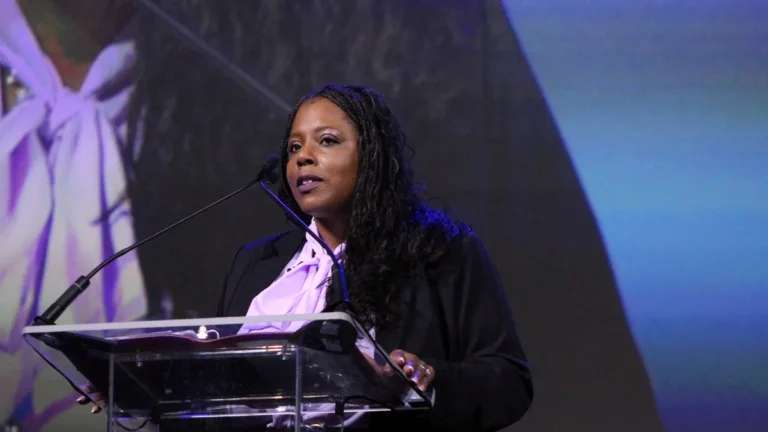
Under the terms of the agreement, North Memorial Health will integrate into the broader Sanford portfolio. Trevor Sawallish, the current CEO of North Memorial, is slated to transition into a new leadership role, overseeing Sanford’s expanded Twin Cities region. Bill Gassen, the chief executive of Sanford Health, will retain his position as head of the combined parent organization, overseeing the integration process.
The Strategic Logic: A Lifeline and an Expansion
The merger is framed by both parties as a mutually beneficial arrangement. For North Memorial, the partnership addresses an existential financial crisis. The system, which operates the safety-net provider Robbinsdale Hospital and the Maple Grove Hospital, has faced mounting operational pressures, including persistent financial losses and a strained labor market.
By joining forces with the much larger Sanford Health—which currently operates 58 hospitals and hundreds of clinics across the Dakotas, Iowa, and Minnesota—North Memorial gains access to a robust balance sheet and enterprise-level efficiencies. Sanford has committed to a $600 million investment into the North Memorial system. This capital infusion is earmarked for modernizing facilities, expanding inpatient capacity, and growing the local workforce. Specifically, Sanford aims to double the operational footprint of North Memorial, ensuring that the safety-net services in Robbinsdale remain viable.

For Sanford, the acquisition is the latest chapter in a broader strategy of aggressive regional expansion. Following the successful closure of a “mega-merger” with the Wisconsin-based Marshfield Clinic Health System last year—which added 11 hospitals and a significant new division to its portfolio—Sanford is looking to replicate that success in Minnesota.
A Chronology of Ambition and Obstacles
The path to this acquisition has been anything but straightforward. Sanford has long viewed the Twin Cities as the “missing piece” in its regional strategy, yet its attempts to enter the market have been met with intense scrutiny.
- 2023: Sanford Health initiated high-profile merger discussions with Minneapolis-based Fairview Health Services. This deal was viewed as a transformative opportunity to create a massive, multi-state healthcare powerhouse.
- Late 2023/Early 2024: The Fairview merger faced significant political headwinds. Minnesota’s Attorney General, Keith Ellison, along with various labor unions and community groups, voiced deep concerns regarding the impact on healthcare access, pricing, and the potential for reduced competition.
- July 2023: Following months of regulatory hurdles and political pressure, Sanford and Fairview officially abandoned their merger attempts, citing the inability to reach a consensus that satisfied all state regulatory requirements.
- 2024: North Memorial Health began to publicly signal its financial instability. CEO Trevor Sawallish noted that the system had reached a “breaking point,” citing rising costs and the inability to maintain necessary capital expenditures independently.
- May 2026: Sanford and North Memorial announce their formal agreement, aiming to leverage the lessons learned from the failed Fairview attempt to navigate the current regulatory climate.
The Financial and Operational Stakes
The financial narrative surrounding North Memorial is indicative of a broader trend in rural and mid-sized urban hospital systems. In 2024, North Memorial was forced to implement layoffs and streamline services, a reality that Sawallish described as a necessity to prevent total service failure.
The $600 million pledge from Sanford is designed to reverse this trajectory. By integrating into a larger system, North Memorial can benefit from centralized supply chain management, shared clinical protocols, and a unified health insurance strategy. However, these benefits often come at the cost of local autonomy. Analysts suggest that the success of this merger will hinge on whether Sanford can deliver on its promises of local investment without alienating the community that relies on Robbinsdale Hospital for safety-net care.
Regulatory Scrutiny and the Role of the Attorney General
As with any major healthcare consolidation, the merger is subject to rigorous oversight. Minnesota Attorney General Keith Ellison has confirmed that his office is currently conducting a thorough review of the transaction.

“As we have done and are currently doing with other healthcare transactions, we are conducting a thorough review of this potential acquisition to ensure it complies with the law and is in the public interest,” Ellison stated in a recent press release.
The Attorney General’s office is actively soliciting public feedback, an indication that the state is particularly sensitive to concerns regarding market concentration. Because the healthcare industry in the Upper Midwest has seen a flurry of mergers in the last three years, regulators are increasingly concerned that the reduction in independent providers could lead to higher premiums and decreased competition for labor. Sanford must prove that this merger is not merely a play for market share, but a necessary intervention to preserve access to care.
Implications for the Future of Midwest Healthcare
The implications of the Sanford-North Memorial deal extend far beyond the two entities involved.
1. The Consolidation Trend
Industry experts argue that the “independent hospital” model is becoming increasingly unsustainable. With the rising costs of medical technology, cybersecurity, and labor, smaller systems are finding it impossible to survive in isolation. This merger validates the trend toward larger, regional health systems that can absorb losses in one market with profits from another.
2. Workforce Dynamics
The promise to “increase the local workforce” is a critical component of the deal. Healthcare in Minnesota, like much of the nation, is suffering from a post-pandemic nursing and physician shortage. Sanford’s ability to use its reputation and scale to recruit medical talent to the Twin Cities will be a primary benchmark for the success of the merger.

3. Patient Access and Quality
For the patient, the primary concern remains: will this change the quality of care? Proponents argue that integration with a system like Sanford brings advanced digital health platforms, better EHR (Electronic Health Record) connectivity, and a broader network of specialists. Critics, however, warn that large-scale corporate ownership can lead to a “one-size-fits-all” approach that may not reflect the specific needs of the Robbinsdale community.
Looking Ahead
The coming months will be a period of intense documentation and public debate. While Sanford has the financial capital to satisfy the needs of North Memorial, it must also win the “hearts and minds” of Minnesota regulators and the public.
If successful, the merger will solidify Sanford Health as a dominant force in the Upper Midwest, essentially creating a massive corridor of care spanning from Wisconsin through Minnesota and into the Dakotas. If the deal faces the same roadblocks as the Fairview attempt, it could signal an end to the era of large-scale hospital consolidation in Minnesota, forcing systems like North Memorial to explore alternative models such as public-private partnerships or state-led bailouts.
For now, the focus shifts to the Attorney General’s office. The public comment period will likely be contentious, pitting the desire for financial stability against the fear of corporate dominance in a sector that touches the life of every Minnesota resident. As the industry watches, the Sanford-North Memorial deal will serve as a bellwether for the future of healthcare consolidation in America.