Introduction: The Myth of the "Weekend Warrior"
For decades, the corporate approach to employee health was defined by a singular, rigid binary: the gym membership subsidy. Companies operated under the assumption that if an employee spent an hour at the fitness center before or after their shift, the physical toll of eight to ten hours of desk-bound labor would be effectively neutralized. However, emerging research from 2025 and 2026 has shattered this paradigm.
The modern workplace is undergoing a seismic shift, moving away from the "structured exercise" model toward a more integrated philosophy: the continuous movement movement. As sedentary behavior is increasingly identified as an independent risk factor for chronic illness—regardless of one’s gym habits—organizations are pivoting to rethink the very architecture of the workday.
Main Facts: The End of Static Employment
The core finding driving this change is the distinction between "physical activity" and "sedentary behavior." Leading health experts, including those published in Medicine & Science in Sports & Exercise, have identified that an individual can be a "regular exerciser" while still qualifying as "highly sedentary."
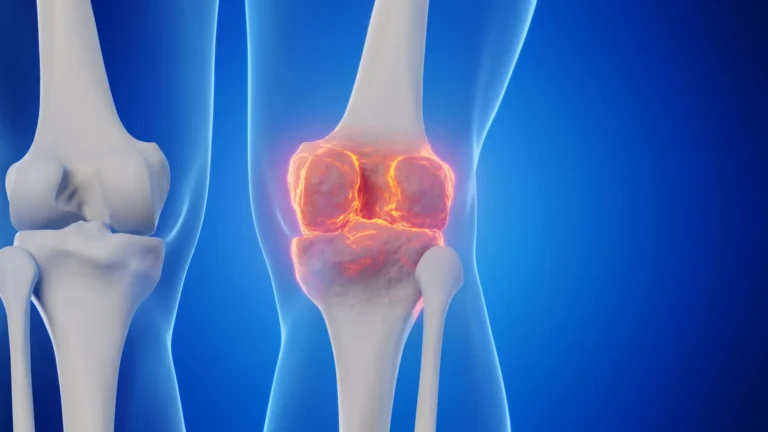
This phenomenon, often dubbed "active couch potato syndrome," occurs when an individual engages in intense, discrete bouts of exercise but spends the remaining 23 hours of the day in a seated or reclining position. The physiological impact is significant: prolonged inactivity suppresses lipoprotein lipase activity, diminishes metabolic rate, and reduces glucose uptake, even in those who meet recommended weekly exercise quotas.
To combat this, the new wave of workplace wellness focuses on:
- Micro-movements: Implementing non-exercise activity thermogenesis (NEAT) throughout the workday.
- Environmental Ergonomics: Shifting from static cubicles to "activity-permissive" office designs.
- Cultural Integration: Normalizing movement as a professional standard rather than a distraction from work.
Chronology: From Static Desks to Dynamic Workspaces
The evolution of the workplace environment has been a slow transition, marked by distinct phases:
1980s–2000s: The Ergonomic Era. The focus was primarily on preventing repetitive strain injuries. Adjustable chairs and monitor height were the gold standard. Movement was considered an impediment to focus.
2010–2020: The "Gym-Centric" Period. Companies began subsidizing gym memberships and wellness challenges. The responsibility for health was placed entirely on the employee’s off-the-clock hours.
2021–2024: The Pandemic Disruption. The rise of remote work highlighted the extreme sedentary nature of home offices. While some employees enjoyed more freedom, many found themselves tethered to digital interfaces for longer hours than ever before.
2025–2026: The Movement Integration Phase. Based on the landmark 2025 studies by Katzmarzyk et al., major corporations began formalizing "Movement Policies." These policies emphasize that movement is a cognitive tool for productivity, not just a physical health intervention. Organizations are now treating "prolonged sitting" as a workplace hazard on par with poor lighting or inadequate air quality.
Supporting Data: The Science of Stagnation
The evidence supporting this shift is both longitudinal and clinical. According to the 2025 study, Sedentary behavior, movement throughout the day and workplace health outcomes, there is a clear, quantifiable relationship between "sitting duration" and markers of metabolic health.
Key Data Points:
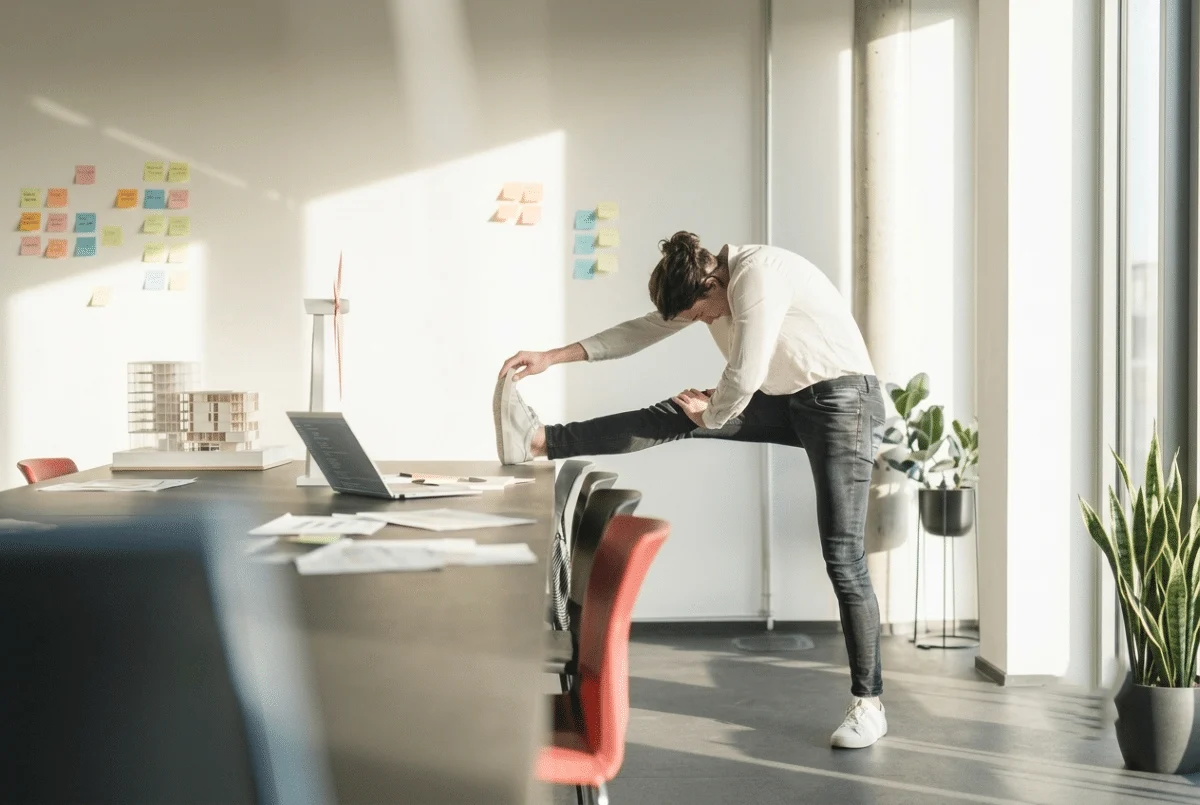
- Metabolic Response: Studies indicate that interrupting sitting time every 30 minutes with just two minutes of light movement can significantly improve insulin sensitivity and lipid profiles compared to continuous sitting.
- Cognitive Performance: Research from the World Health Organization (2025) suggests that moderate movement throughout the day enhances blood flow to the brain, which correlates with improved problem-solving capabilities and reduced "afternoon brain fog."
- The 30-Minute Threshold: Data suggests that after 30 to 45 minutes of sustained sitting, the human body begins to enter a "downregulated" state. Breaking this cycle is essential for maintaining consistent energy levels.
Official Responses: What Industry Leaders Are Saying
Health organizations and corporate leaders are aligning their strategies with the new data. The World Health Organization’s 2025 guidelines on workplace health specifically emphasize the "Environment-First" approach.
"Employers must realize that the chair is not a neutral piece of furniture," says Dr. Elena Vance, a lead consultant on occupational health. "By normalizing the ‘walking meeting,’ we aren’t just improving physical health; we are breaking the psychological link between ‘being still’ and ‘being productive.’ When employees stand or walk while collaborating, they report higher levels of creative output."
Several Fortune 500 companies have responded by:
- Removing "Default Seating": Redesigning meeting rooms to include standing-height tables or floor-space layouts that encourage standing.
- Movement Prompts: Integrating software-based "nudge" technology that reminds employees to stretch or walk after a set period of digital activity.
- Active Commute Incentives: Beyond the office, firms are incentivizing walking or cycling to work, acknowledging that the "workday" starts the moment the employee begins their commute.
Implications: The Future of Professional Life
The shift toward movement-friendly workplaces carries profound implications for human resources, urban planning, and the future of work.
1. Re-engineering Office Culture
The primary challenge is not physical, but cultural. For decades, the "hustle culture" equated staying glued to a desk with dedication. Shifting this requires leadership to "walk the talk." When managers lead walking meetings, it signals to the team that movement is not only allowed but encouraged.
2. The Rise of "Active Architecture"
We are seeing a move toward office designs that require movement. This includes locating printers, water stations, and break areas at a distance from primary workspaces. Stairwells are being rebranded as "vertical corridors," with improved lighting and aesthetics to encourage their use over elevators.
3. Productivity Gains
Critics often worry that movement breaks will decrease output. However, the data suggests the opposite. By preventing the mid-afternoon slump, companies are finding that employees maintain higher levels of focus and sustained energy until the end of the day. The result is a reduction in "presenteeism"—the act of being at the desk but performing at a sub-optimal cognitive level.
4. Long-Term Healthcare Cost Mitigation
From an insurance and risk management perspective, the push for movement is a preemptive strike against the rising costs of lifestyle-related chronic conditions. Cardiovascular disease, Type 2 diabetes, and musculoskeletal disorders are among the highest drivers of corporate healthcare expenditures. By fostering an environment that naturally discourages sedentary behavior, firms are effectively investing in their long-term human capital.
Conclusion: The Holistic Workplace
The movement toward workplace wellness is no longer about the occasional wellness day or a corporate discount on running shoes. It is a fundamental redesign of the employee experience. By acknowledging the body’s inherent need for motion, companies are fostering a culture that values the long-term health and cognitive vibrancy of their workforce.
As we move deeper into 2026 and beyond, the most successful organizations will be those that view their office environment not as a stationary cage for labor, but as a dynamic space that facilitates movement. In this new era, the most productive employee is not the one who sits the longest, but the one who moves the most.
References
- Katzmarzyk, P. T., Powell, K. E., Jakicic, J. M., Troiano, R. P., Piercy, K., & Tennant, B. (2025). Sedentary behavior, movement throughout the day and workplace health outcomes. Medicine & Science in Sports & Exercise, 57(2), 345–353.
- World Health Organization. (2025). Promoting movement in the workplace: Evidence-based strategies for reducing sedentary behavior. Geneva, Switzerland: World Health Organization.
- Fitness Journal – 2026, Issue 7. Integrating Movement into the Corporate Infrastructure.