In the landscape of human anatomy, the hips act as the grand central station of the body. They serve as the critical nexus between the upper and lower kinetic chains, facilitating everything from the basic mechanics of walking to the complex maneuvers of high-level athletics. Yet, in an era defined by sedentary habits, the hips have become a site of chronic tension for a significant portion of the population. Loosening the hips is no longer just a fitness trend; it is an essential intervention for longevity, posture, and emotional well-being.
The Anatomy of Tension: Why Our Hips Are Failing Us
The human hip joint is a ball-and-socket synovial joint that provides a vast range of motion, including flexion, extension, abduction, adduction, and internal and external rotation. When these mechanisms are functioning optimally, movement is fluid and effortless. However, modern life—specifically the prevalence of prolonged sitting—has created a "tight hip epidemic."
The primary culprit is the psoas, a deep-seated muscle that connects the lower spine to the femur. When you sit for eight to ten hours a day, the psoas remains in a chronically shortened state. Over time, this muscle fibers tighten, pulling the pelvis into an anterior tilt, which leads to lower back pain, compromised posture, and restricted mobility. This is not merely a muscular issue; it is a structural one that affects the integrity of the entire skeletal system.
The Mind-Body Connection: The Fight-or-Flight Link
Recent research has begun to bridge the gap between physical tension and psychological stress. The psoas muscle is often referred to in somatics as the "muscle of the soul" because of its direct connection to the diaphragm and the autonomic nervous system.
Studies, including recent findings published in the Journal of Clinical Medicine, have highlighted a correlation between chronic hip tightness and the activation of the "fight-or-flight" response. When the psoas is perpetually locked, the body remains in a heightened state of physiological alert. Consequently, the act of stretching and releasing the hips can trigger an emotional catharsis, allowing the nervous system to shift from a sympathetic (stressed) state to a parasympathetic (restored) state.
5 Essential Yoga Poses for Hip Restoration
To counter the sedentary nature of modern life, targeted yoga poses can provide the necessary length and stability. The following sequence is designed to address the hip complex from multiple planes of motion.
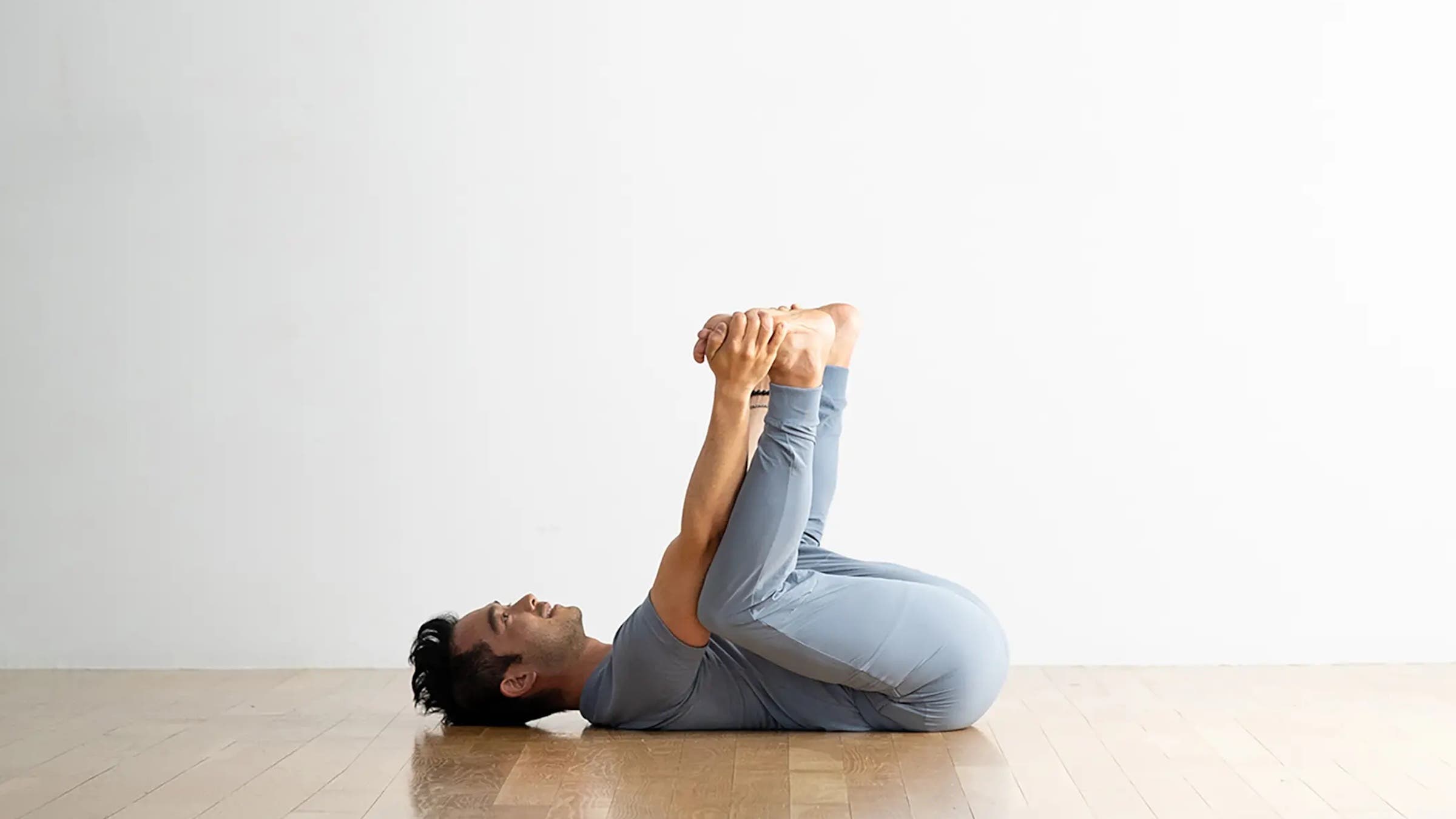
1. Happy Baby Pose (Ananda Balasana)
Happy Baby is the gold standard for passive hip opening. By lying on your back and holding the outer edges of your feet or shins, you utilize gravity to gently open the hip joints without the burden of supporting your body weight. This pose allows the lower back to ground into the mat, providing a therapeutic release for the lumbar spine.
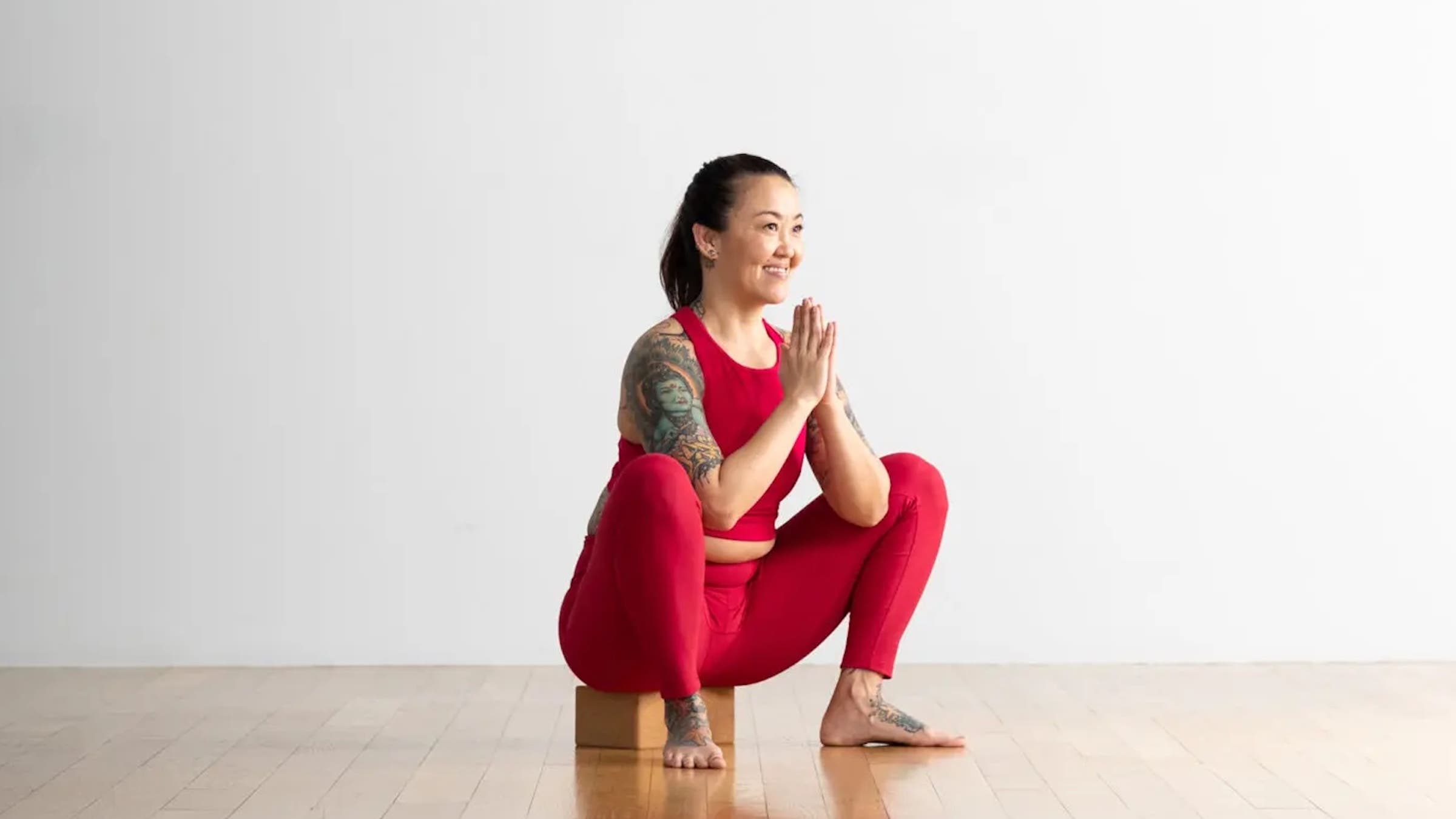
2. The Yogic Squat (Malasana)
While modern chairs have eliminated the need for deep squatting in our daily lives, the movement remains a fundamental human functional pattern. Malasana requires deep flexion of the hip joints. Regularly practicing this squat builds mobility that is vital for long-term joint health. It serves as a diagnostic tool: if you cannot comfortably sit in a deep squat, your hip mobility is likely significantly restricted.
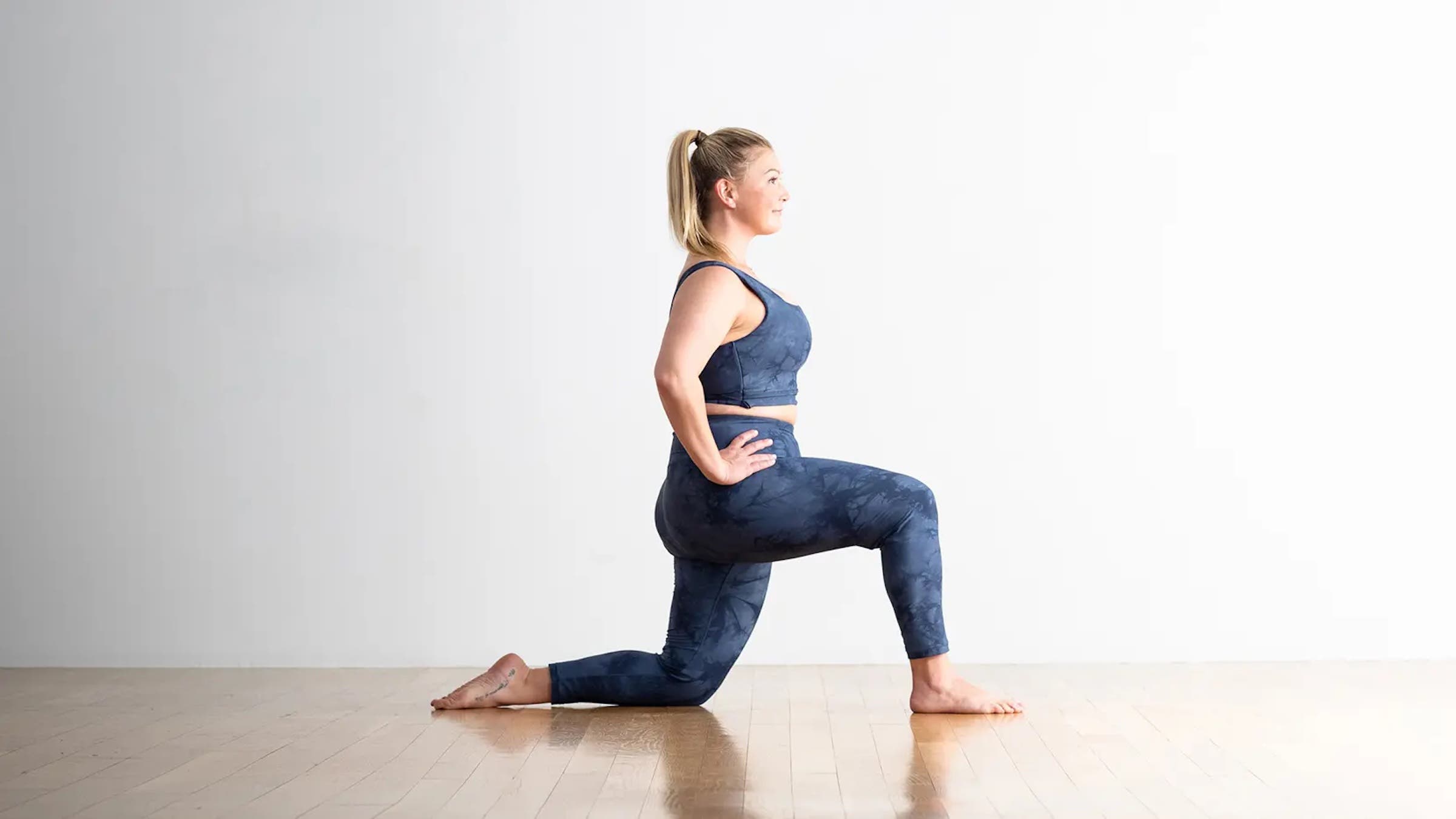
3. Low Lunge (Anjaneyasana)
The Low Lunge is a direct antidote to the chair. By stepping one foot forward and lowering the back knee, you create an aggressive, controlled stretch for the psoas of the back leg. This pose demands both stability and length, teaching the body to maintain an upright posture while the hip flexors are put under tension.
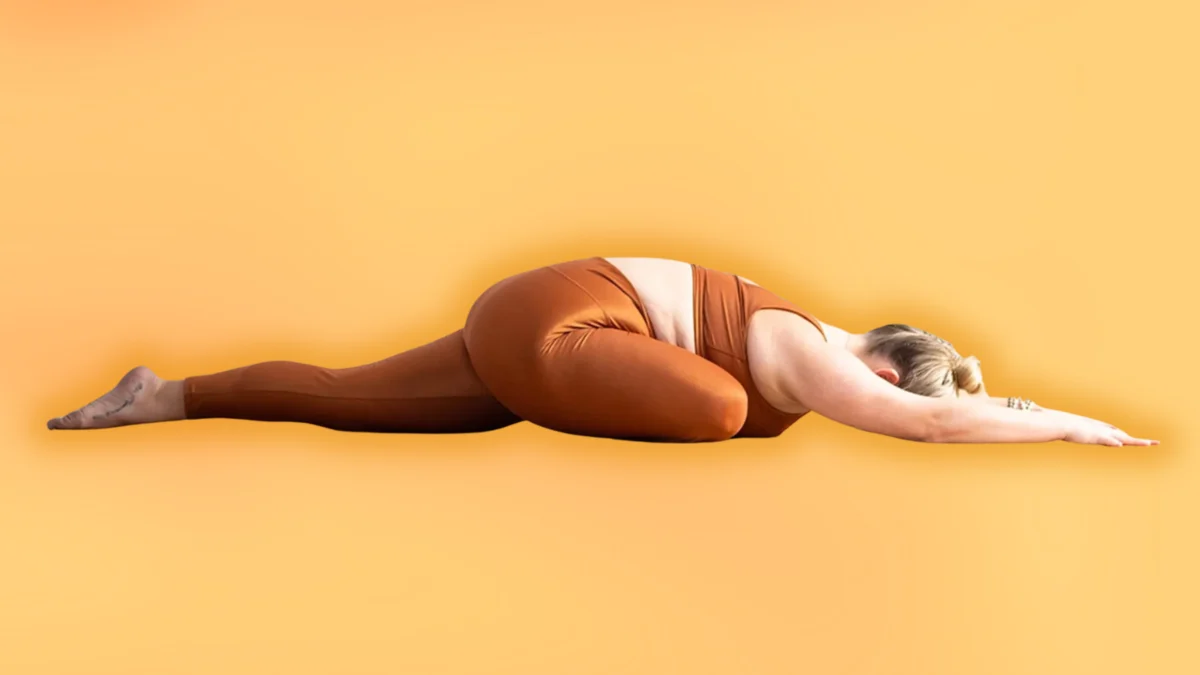
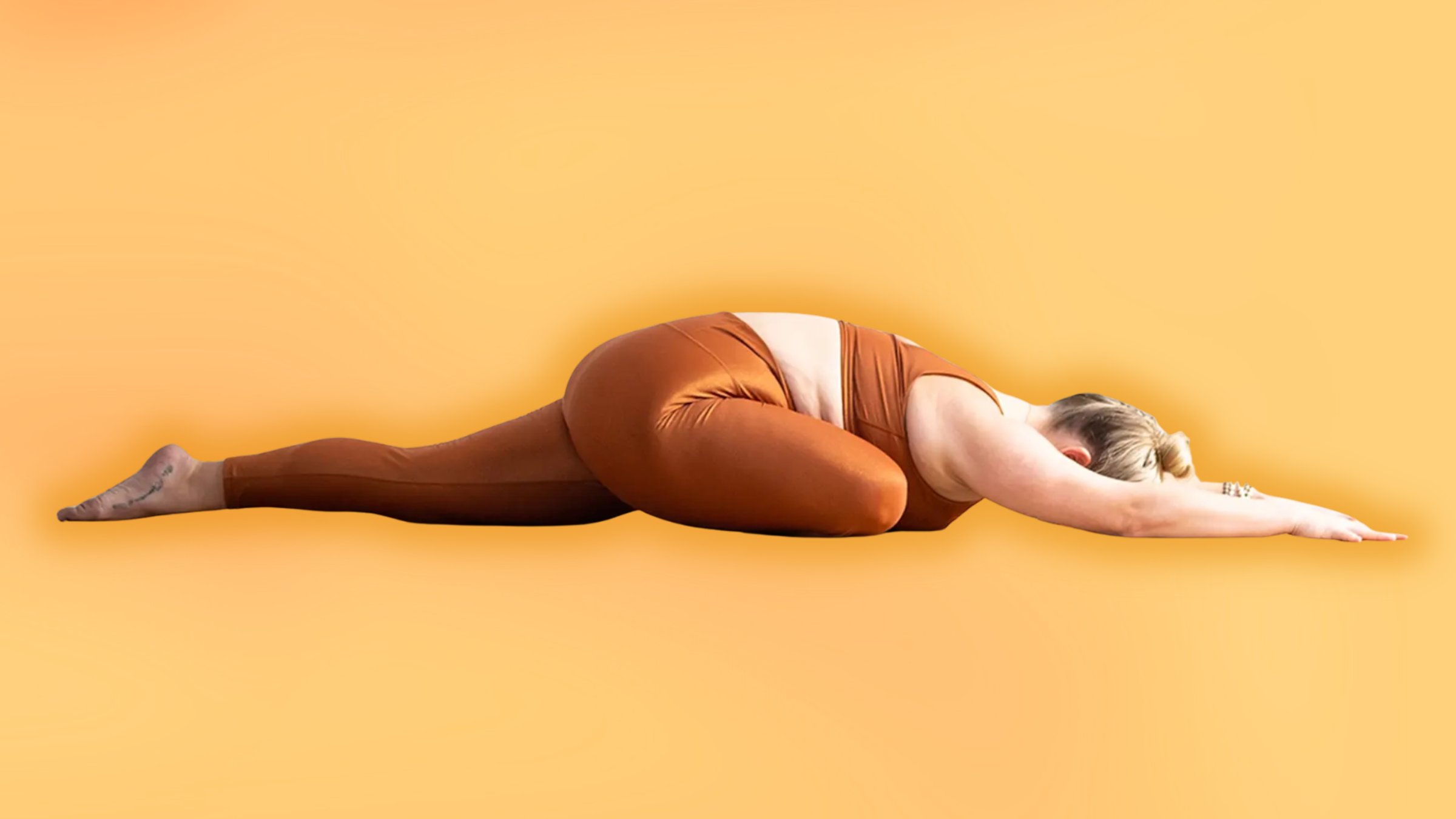
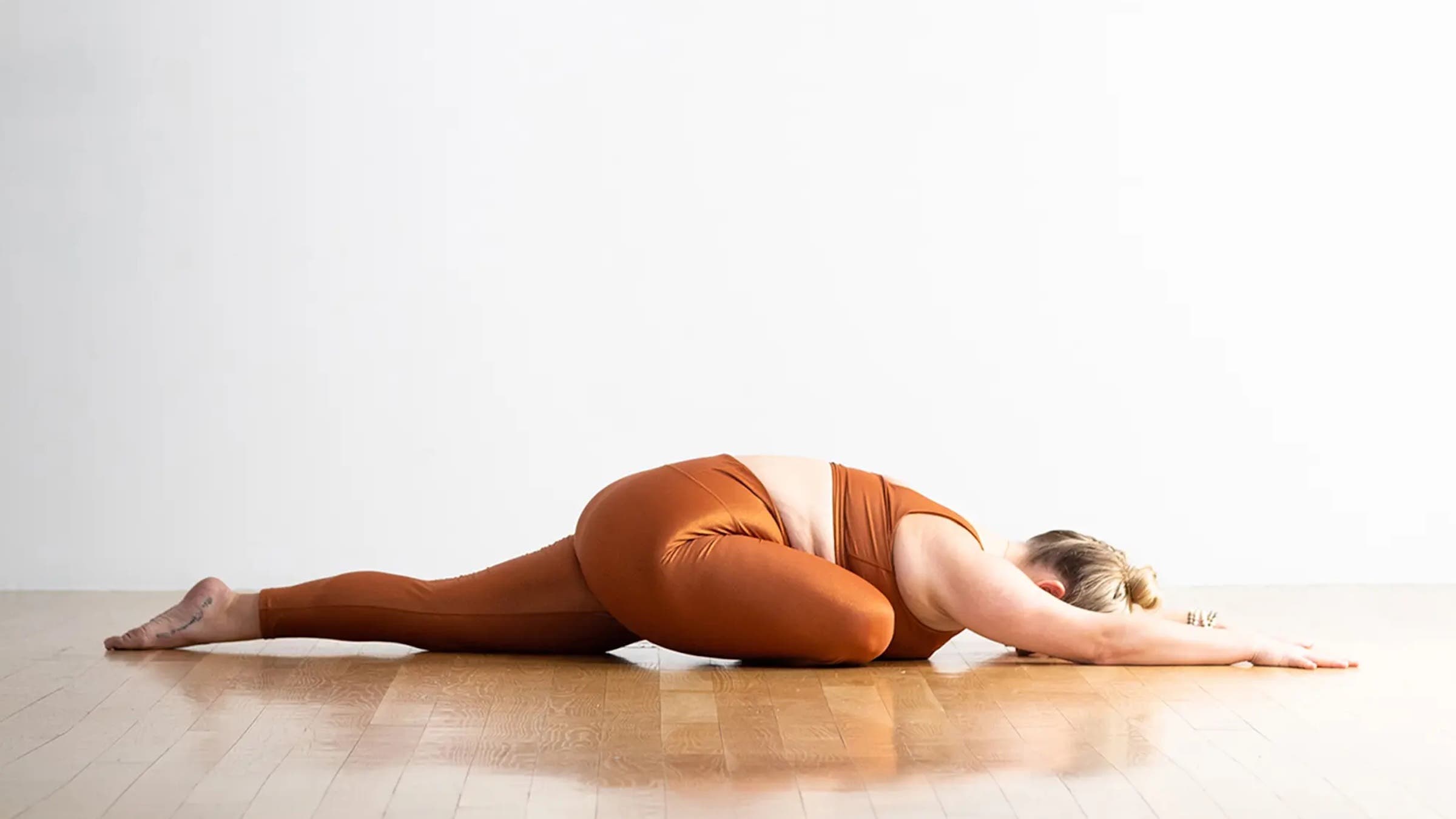
4. Pigeon Pose (Eka Pada Rajakapotasana)
Pigeon Pose is widely considered the ultimate hip opener. It is a complex posture that addresses the external rotators and the gluteal muscles simultaneously. By folding forward, the practitioner can access deeper connective tissues, calming the nervous system and encouraging a "surrender" of the muscles that are often held tight due to stress.
5. Cow Face Pose (Gomukhasana)
Cow Face Pose is a seated, cross-legged posture that offers a deep stretch to the outer hips and glutes. By stacking the knees, the pose forces the hip joints into a state of external rotation. This is particularly beneficial for those with "stiff" hips, as it builds the lateral flexibility necessary to prevent injuries during rotational movements.
Chronology of a Movement: From Ancient Practice to Clinical Necessity
The practice of hip opening is rooted in ancient Hatha Yoga traditions, dating back thousands of years, where the focus was on preparing the body for long periods of seated meditation. Historically, "tight hips" were rarely an issue for humans, as lifestyles required constant squatting, kneeling, and walking on uneven terrain.
The industrialization of the 19th and 20th centuries shifted the human experience toward the chair. By the 1980s and 90s, the rise of the "desk job" began to correlate with a spike in chronic lower back and hip complaints. By the 2020s, sports medicine and physical therapy began integrating these ancient yoga shapes into clinical recovery protocols. Today, the synthesis of traditional yoga and modern kinesiology has made hip mobility a cornerstone of functional health.
Supporting Data: The Cost of Inactivity
Statistical data from orthopedic clinics suggests that nearly 60% of adults over the age of 40 suffer from some form of hip-related discomfort. Furthermore, a 2026 report on workforce health indicated that companies offering "active stretching" or yoga breaks saw a 22% reduction in musculoskeletal claims among employees. The economic implication is clear: sedentary hip flexors are not just a personal health burden—they are a productivity drain.
Official Perspectives: What Experts Say
Dr. Elena Vance, a specialist in orthopedic movement, notes, "We often see patients coming in with ‘back pain,’ but when we perform a physical assessment, the root cause is almost always restricted hip mobility. The body is a closed kinetic chain. If the hips don’t move, the lumbar spine is forced to compensate, and that is where the injury cycle begins."
Yoga instructors and physical therapists now advocate for a "dose-dependent" approach to hip health. "You don’t need to be in a yoga studio for two hours," says movement coach Julian Thorne. "You need five minutes of mindful, consistent movement every day. The consistency of opening the hips is more important than the intensity of the stretch."
Implications for the Future
As we look toward the future of physical wellness, the prioritization of mobility over sheer strength is becoming the new gold standard. The implications are profound:
- Preventative Aging: Maintaining hip range of motion is a primary indicator of whether an individual will remain independent as they age.
- Mental Health Integration: The link between hip tension and emotional state suggests that future mental health treatments may increasingly incorporate somatic movement as a non-pharmaceutical intervention.
- Ergonomic Shifts: We are beginning to see a transition in office design, moving away from standard seating toward "active furniture" that encourages the hips to remain in motion.
Conclusion
Your hips are the hinges of your life. Whether you are navigating the stress of a high-pressure career or simply trying to walk through the world with ease, the state of your hip flexors dictates your experience. By integrating these poses and understanding the physiological necessity of movement, you are not just "doing yoga"—you are reclaiming the structural integrity of your body. The path to a more open, fluid, and pain-free life begins in the hips. Start where you are, breathe into the tension, and allow the body to release the burdens it has been holding for too long.