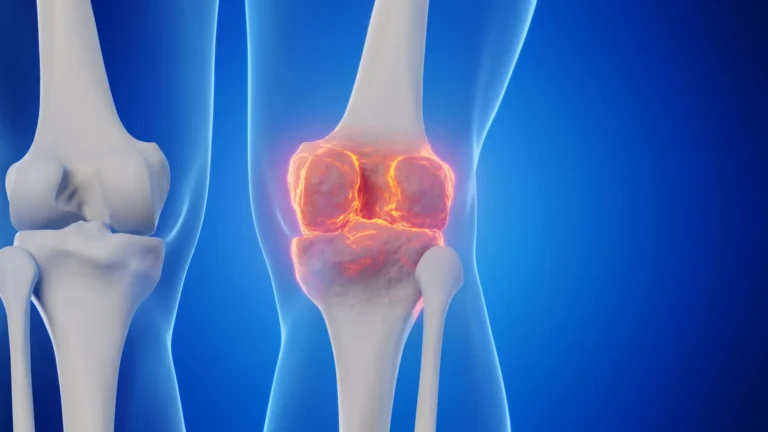
For decades, the public health narrative surrounding exercise has been dominated by the physical: stronger muscles, improved cardiovascular capacity, and weight management. While these benefits are undisputed—ranging from the mitigation of type 2 diabetes and osteoporosis to the management of hypertension and stroke—a compelling new frontier of scientific inquiry has emerged. We are no longer just looking at how exercise changes the body; we are looking at how it fundamentally reengineers the brain.
Emerging research suggests that physical activity is a potent "neuroprotective" agent. By enhancing cognitive function—the complex processes of thinking, reasoning, remembering, and learning—exercise serves as a critical intervention for brain health across the entire human lifespan.
The Architecture of Cognition: Main Facts
Cognition is the bedrock of human independence. It encompasses our ability to process information, solve problems, and navigate the nuances of daily life. Current research, led by figures such as Hillman, Erickson, and Kramer, indicates that the brain is not a static organ but a dynamic one, highly responsive to the physiological stresses and adaptations brought on by physical activity.
The most significant cognitive gains observed in clinical settings involve the "executive central command." This encompasses working memory, multitasking, planning, and the ability to deal with ambiguity. As we age, these specific functions are often the first to experience decline. However, evidence suggests that maintaining a consistent exercise regimen can act as a buffer, preserving these neural pathways and building a "cognitive reserve" that protects against age-related degeneration.
A Chronological Perspective: From Childhood to the Golden Years
The Developing Brain (Ages 4–18)
The impact of movement begins early. A meta-analysis by Sibley and Etnier (2003) established a clear, positive correlation between physical activity and cognitive function in children. The benefits are not merely abstract; they manifest in concrete academic and developmental metrics, including higher intelligence quotient scores, superior verbal and mathematical proficiency, and enhanced academic readiness.
Despite this, educational institutions have frequently prioritized desk-bound study time over physical education, under the mistaken assumption that more time in class equates to better grades. Conversely, studies such as those by Field, Diego, and Sanders (2001) demonstrate that high school seniors who engage in seven or more hours of physical activity per week report higher grade point averages, reduced instances of substance abuse, and stronger familial relationships compared to their sedentary peers.
The Adult Transition and Cognitive Reserve
As individuals transition into adulthood, the role of exercise shifts from developmental support to maintenance and protection. Van Praag (2008) posits that childhood physical activity sets the stage for brain resilience in later years. This "cognitive reserve" is hypothesized to be the result of enhanced cortical development—specifically in the cerebral cortex, which governs higher-order tasks like language and complex information processing.
The Aging Population
Research on older adults confirms that it is never too late to begin. A landmark study by Yaffe et al. (2001) tracked 5,925 women aged 65 and older over an eight-year period. The results were stark: those who engaged in regular, moderate physical activity, such as walking, exhibited the least cognitive decline. These findings underscore the "neuroprotective" nature of exercise, suggesting that movement helps maintain the structural integrity of the aging brain.
Supporting Data: The Biological Mechanism
Why does moving the body improve the mind? While human-based studies provide the "what," animal models have provided the "how." Research in this field points to three primary biological drivers:
- Neurogenesis: Exercise is identified as one of the most powerful neurogenic stimuli, triggering the birth of new nerve cells, particularly in the hippocampus—the region of the brain critical for learning and memory.
- Neurotransmitter Modulation: Physical activity regulates the chemical messengers that allow neurons to communicate. Beyond the well-known "runner’s high" (endorphins), exercise enhances the synapse communication capacity, ensuring that signals move efficiently across the brain’s vast networks.
- Vascular Adaptation: The brain requires an immense amount of energy. Aerobic exercise stimulates the formation of new blood vessels, ensuring improved circulation. This leads to better delivery of oxygen and nutrients, which is essential for maintaining healthy neural tissue.
Professional and Official Responses: The Shift in Perspective
The fitness industry and the medical community are currently undergoing a paradigm shift. Historically, a personal trainer’s primary goal was the physical aesthetic or cardiovascular endurance. Today, the "buzz" is shifting toward cognitive longevity.
Health professionals are increasingly advocating for a "triad" approach to training: a combination of aerobic exercise, resistance training, and flexibility work. While the specific "dosage" (frequency, intensity, and duration) remains a subject of ongoing study, experts agree that the synergy of these modalities encourages a broader range of neural and chemical adaptations than any single form of exercise alone.
The 10 Fascinating Facts About Your Brain
To better understand the biological machine we are trying to protect, consider these fundamental facts about the human brain:
- Mass and Neural Density: The average brain weighs 3 pounds and houses approximately 100 billion neurons.
- Vascular Reach: There are roughly 100,000 miles of blood vessels within the cranium.
- Lifelong Growth: Contrary to outdated beliefs, the brain continues to generate new neurons throughout life, provided it is stimulated by mental and physical activity.
- Metabolic Demand: Even at rest, the brain consumes 20% of the body’s total oxygen.
- Structure and Stress: Excessive stress is not just a psychological state; it physically alters brain cells and structure.
- Self-Recognition: The brain distinguishes between external touch and your own movement, which is why it is impossible to tickle yourself.
- Energy Production: While awake, the brain generates 10–23 watts of electricity—enough to power a low-energy light bulb.
- Visual Continuity: We blink 20,000 times a day; the brain "fills in" these gaps so our perception of reality remains seamless.
- Thought Volume: The average person experiences approximately 70,000 thoughts per day.
- Hydration: The brain is composed of 75% water, emphasizing the importance of basic physiological maintenance.
Implications for Future Health Policy
The implications of this research are profound. If exercise is indeed a primary method for staving off cognitive decline, then physical inactivity should be treated as a major risk factor for neurological health, not just metabolic health.
For policymakers, this means that physical education in schools should not be treated as an expendable "extra" but as a core pillar of cognitive development. For the elderly, it means that walking programs and resistance training are not merely for physical mobility but are essential strategies for maintaining autonomy and mental sharpness.
As we look toward the future, the message is clear: the most sophisticated "brain-boosting" technology available is the human body itself. By committing to regular, varied physical activity, we do more than just build a stronger heart or a more toned physique; we cultivate a more resilient, agile, and enduring mind. The science is no longer speculative—to improve the brain, one must move the body.