For individuals living with Ehlers-Danlos Syndrome (EDS), the body’s internal architecture is often compromised by connective tissue laxity. This structural reality frequently manifests as spinal instability, most notably in the form of scoliosis. While scoliosis is often viewed as a pediatric orthopedic concern, for the EDS community, it is a lifelong consideration that requires specialized, nuanced management.
Among the emerging interventions for this demographic, the Schroth Method—a highly calibrated, three-dimensional physical therapy approach—is gaining recognition. To better understand how this method functions within the context of hypermobility, we explored the clinical intersection of spinal curvature and connective tissue disorders with Schroth-certified physical therapist Caroline Campesi, DPT.
The Essentials: Understanding Scoliosis
Scoliosis is defined as an atypical, lateral curvature of the spine. While the condition can manifest at any age, it is most commonly diagnosed during the adolescent growth spurt. Clinically, the severity of the curvature is measured using the Cobb angle, a radiographic assessment that determines the degree of spinal deviation.
Scoliosis is generally categorized as a progressive condition. Left unmanaged, the curvature can increase over time, potentially leading to chronic pain, respiratory restriction, and significant postural changes. For the general population, treatment is typically stratified by the Cobb angle: observation for mild curves, bracing for moderate curves during growth, and surgery for severe, high-degree curves.
Why Scoliosis Hits Harder in the EDS Community
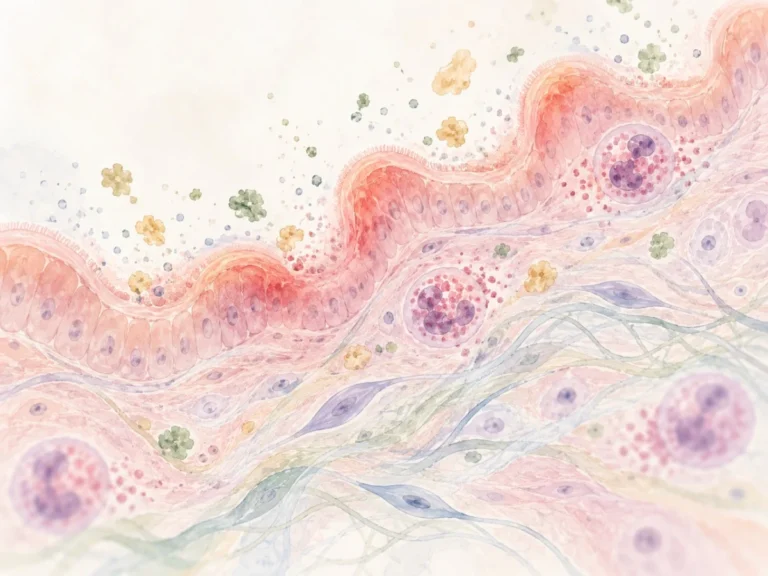
EDS encompasses a group of genetic connective tissue disorders characterized by joint hypermobility, tissue fragility, and skin hyperextensibility. Because connective tissue is the "glue" that stabilizes the skeleton, individuals with EDS often struggle to maintain spinal alignment.
Supporting Data: Prevalence and Impact
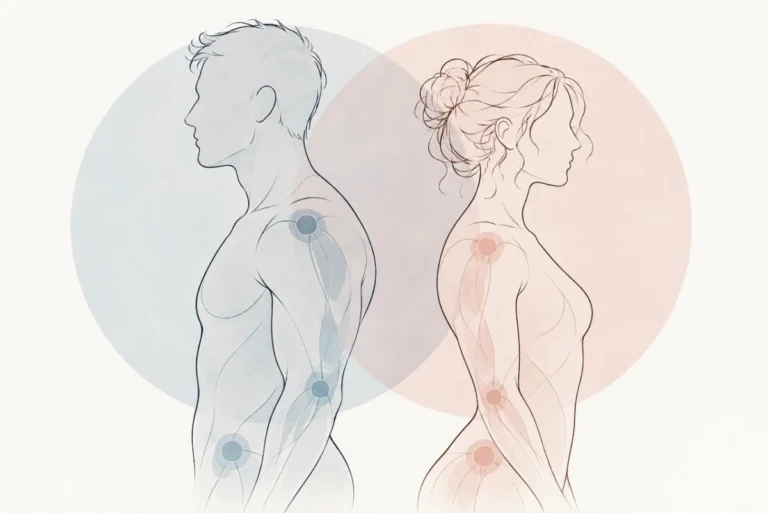
Research indicates a notable overlap between these conditions. Studies show that approximately 29% of individuals with EDS experience some form of scoliosis. Within this group:
- 87.5% present with mild scoliosis (Cobb angle 10–24°).
- 12.5% present with moderate scoliosis (Cobb angle 25–40°).
While the majority of cases are mild, the functional impact on an EDS patient can be disproportionately high due to existing joint instability. Furthermore, rare subtypes, such as kyphoscoliotic EDS (kEDS), are explicitly associated with more severe, early-onset spinal curvatures.
The Schroth Method: A Precision Approach
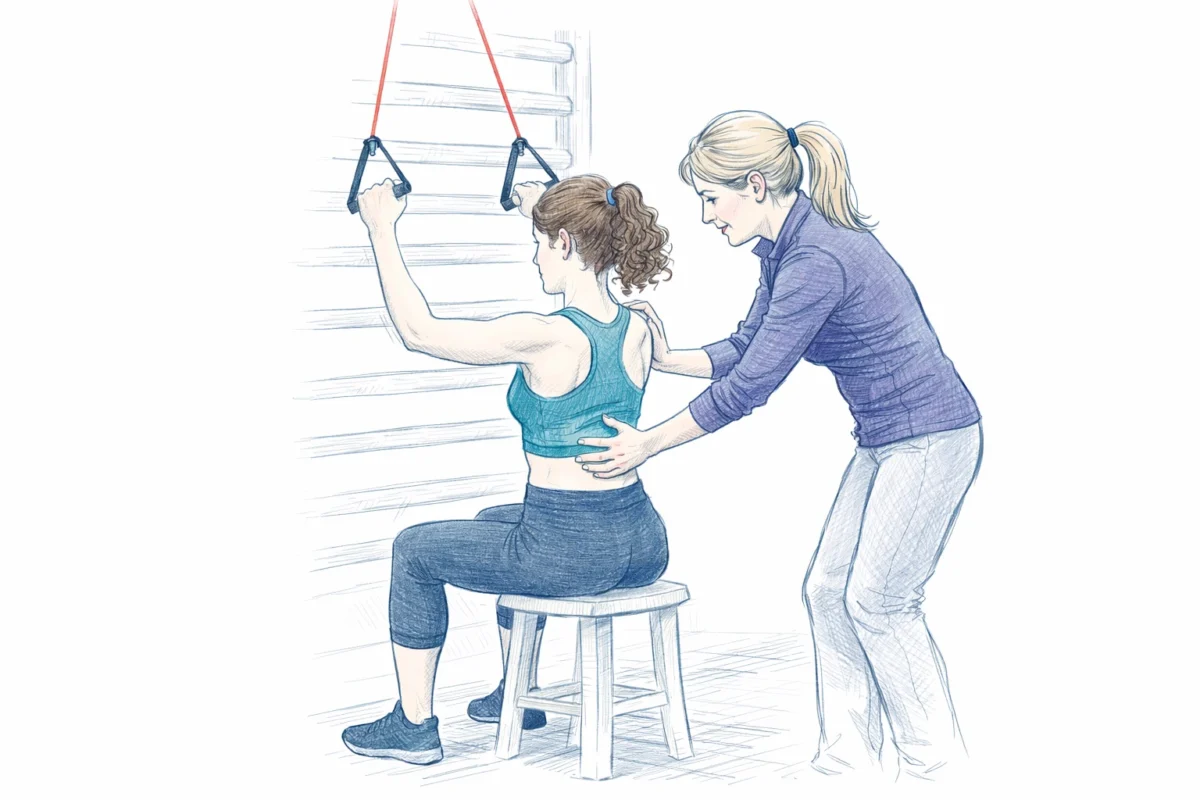
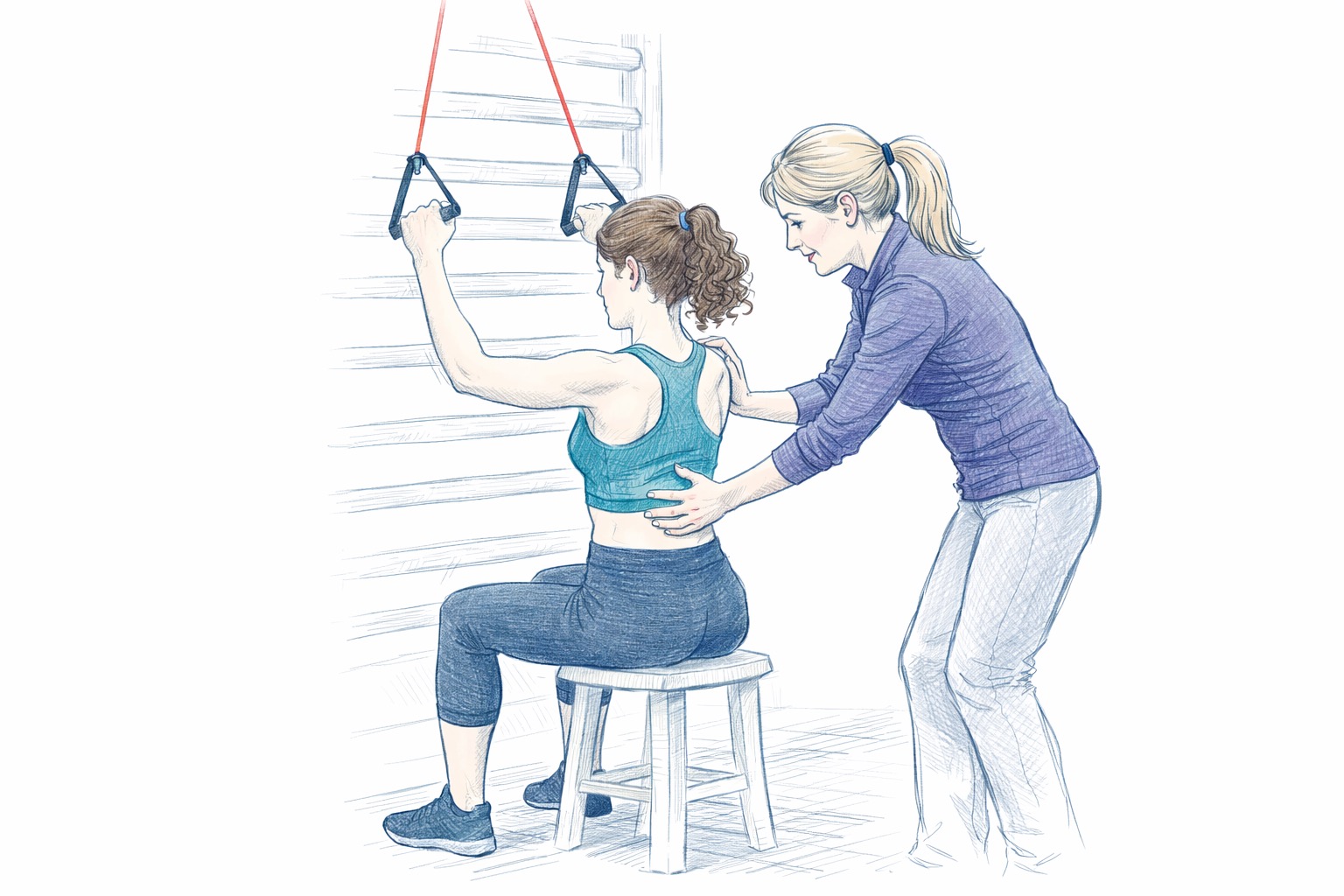
Unlike traditional physical therapy, which often employs a standardized "one-size-fits-all" core strengthening regimen, the Schroth Method is a bespoke, evidence-based system. It is designed to address the specific, three-dimensional rotation of an individual’s spine.
Mechanics of the Method
The goal of Schroth therapy is not merely to "strengthen the core," but to:
- Elongate and De-rotate: Utilizing specific breathing and postural techniques to physically counteract the spinal curve.
- Correct Asymmetry: Addressing the uneven pull of muscles on the ribcage and pelvis.
- Foster Proprioception: Increasing the patient’s awareness of their body in space, which is critical for those with hypermobility-related sensory integration issues.
The Hypermobility Caveat: Active vs. Passive
A common concern for EDS patients is the risk of injury during therapy. Traditional "end-of-range" stretching is strictly contraindicated for EDS patients to avoid subluxation. However, Schroth therapists emphasize active muscular engagement rather than passive hanging. By using muscles to stabilize the spine during elongation, the patient gains structural support without stressing fragile ligaments.
Expert Q&A: Perspectives from the Clinic
We sat down with Caroline Campesi, DPT, to bridge the gap between theory and practice regarding EDS and scoliosis.
How did you become involved in this niche?
"I started my career in general orthopedics, but I kept noticing that patients’ torsos looked ‘off,’ and I lacked the diagnostic tools to address it. My physical therapy schooling had barely touched on scoliosis. I sought out Schroth training in 2019, and I was hooked immediately. My husband, Eric, and I have practiced for 14 years, and we have never seen a system yield such rapid clinical gains."
How prevalent is hypermobility in your scoliosis caseload?
"It is pervasive. I am often surprised when a new patient doesn’t score high on the Beighton scale. In a typical week, I see 22 patients; easily 75% exhibit signs of connective tissue disorders. It has become the standard profile of my clinic."
Is scoliosis progression inevitable in EDS?
"Not necessarily. While progression can be rapid during growth spurts, we’ve found that activity levels are a major variable. Our data suggests that active teens show less progression than sedentary ones. Those who move frequently—whether through formal exercise or non-sedentary jobs—are often less symptomatic throughout their lifespan."
Why not just do "regular" physical therapy?
"Traditional PT often uses bird-dogs, planks, and bridges. While those are great for general health, they don’t address the 3D nature of scoliosis. If you have a left-sided curve and right-sided muscle atrophy, generic exercises won’t balance that. Schroth provides a targeted, 3D roadmap to re-organize the torso."
How do you handle comorbidities like POTS?
"I prioritize ‘first things first.’ If a patient has poorly managed Postural Orthostatic Tachycardia Syndrome (POTS), they cannot tolerate sitting or standing for therapy. We must stabilize the cardiovascular system and autonomic nervous system before we can effectively address the spine. I am never afraid to refer out to specialists to get those comorbidities managed first."
Implications: The Path Forward
For the EDS community, the Schroth Method represents a shift from passive management (bracing/surgery) to active, empowered stability. However, the success of this method relies on three critical factors:
- Professional Literacy: Not all Schroth therapists are created equal. Patients should interview their providers, asking specifically: "What percentage of your current caseload consists of patients with both scoliosis and EDS/HSD?"
- Personalized Adaptation: The therapist must be willing to modify positions to accommodate joint noise, subluxations, or cardiovascular triggers.
- Consistency: The "toolkit" provided by a Schroth therapist—myofascial release, postural bracing for sitting, and specialized strengthening—must be integrated into the patient’s daily life.
Conclusion: A New Mindset
Living with EDS does not mean that spinal health is beyond one’s control. While the genetic component of connective tissue disorders is permanent, the secondary complications—such as spinal curvature—can be managed with the right tools. By shifting the focus from "fixing" a curve to "managing" the entire musculoskeletal system, individuals with EDS can achieve greater functional stability, reduced pain, and a higher quality of life.
If you suspect you have scoliosis, consult with a physical therapist who specializes in spinal asymmetries and inquire about their specific training in the Schroth Method.
Author Note: Jacqueline Teti is a patient advocate living with Hypermobility Spectrum Disorder. This article is intended for educational purposes and should not replace personalized medical advice.