










For decades, the scientific community viewed fat cells—adipocytes—as little more than passive, biological warehouses. In the common imagination, these cells were simple storage units, swelling with triglycerides during periods of caloric surplus and shrinking during times of scarcity. However, recent groundbreaking research from the University of Toulouse’s Institute of Metabolic and Cardiovascular Diseases (I2MC) has fundamentally shattered this simplistic narrative.
By uncovering a dual-purpose role for a protein long thought to be a mere “fat-burning switch,” researchers have revealed that the inner workings of our adipose tissue are far more complex—and critical to human health—than previously imagined.
Main Facts: Redefining the Role of HSL
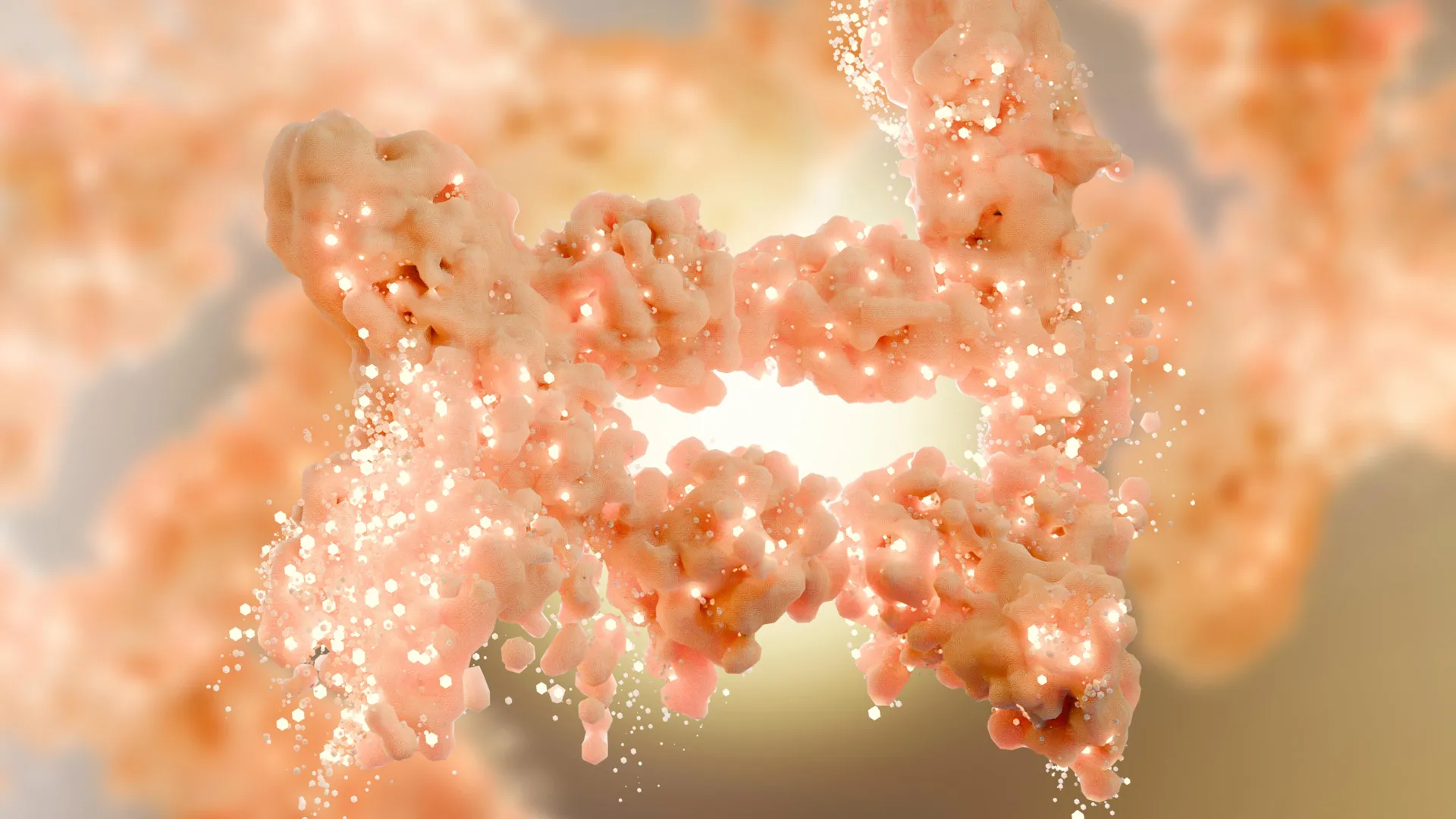
At the center of this discovery is Hormone-Sensitive Lipase (HSL). Since the 1960s, HSL has been the primary protagonist in the biochemistry of fat metabolism. Its classical role is well-documented: when the body requires energy—such as during fasting or physical exertion—hormones like adrenaline trigger HSL to translocate to the surface of lipid droplets. Once there, it acts as a molecular "key," unlocking stored fat and breaking it down into fatty acids that can be utilized by the heart, muscles, and other organs.
However, the team led by Dominique Langin has identified a radical departure from this traditional understanding. Their research reveals that HSL is not exclusively a cytoplasmic worker. A significant portion of HSL resides within the nucleus of the adipocyte, the command center of the cell. In this location, HSL does not break down fat; instead, it orchestrates gene expression, ensuring that fat cells remain healthy and that adipose tissue maintains an optimal, functional mass.
Chronology: A Half-Century of Metabolic Mystery
The journey to this discovery is a testament to the persistence of scientific inquiry.
- 1960s–1980s: The foundational era of lipid metabolism research identifies HSL as the rate-limiting enzyme in lipolysis. The scientific consensus is established: HSL is the "mobilizer" that releases stored energy into the bloodstream.
- The 2000s: Clinical observations begin to provide conflicting data. Researchers encounter rare cases of humans with mutations in the HSL gene. According to classical theory, if the "fat-releasing switch" were broken, the body should become unable to access its energy stores, leading to massive fat accumulation and morbid obesity.
- The Paradox: Contrary to expectations, patients with HSL mutations exhibit lipodystrophy—a condition characterized by a severe loss of fat tissue. This created a profound mystery: How can the absence of a fat-breaking enzyme lead to a lack of fat?
- 2020–2024: The I2MC research team, including doctoral candidate Jérémy Dufau, utilizes advanced cellular imaging and genetic mapping to track HSL within the cell. They observe that HSL moves between the nucleus and the lipid droplets based on hormonal signals, effectively acting as a dual-function protein.
Supporting Data: The Lipodystrophy Paradox
The clinical data presented by the researchers provides a crucial look at why the "simple" view of obesity fails. In both human subjects and murine models, the total loss of HSL does not result in the expected weight gain. Instead, it leads to a total disruption of adipocyte health.
The data indicates that when HSL is absent from the nucleus, the adipocyte loses its ability to regulate its own development and maintenance. The cells essentially become "sick" or dysfunctional. This leads to lipodystrophy, where the body cannot maintain healthy fat stores.
While obesity and lipodystrophy are phenotypically opposite—one characterized by an excess of fat and the other by a deficit—the research highlights a "hidden convergence." In both conditions, the metabolic machinery is broken. Patients with lipodystrophy suffer from metabolic complications, including insulin resistance and cardiovascular strain, that are eerily similar to the risks faced by patients with obesity. This confirms that the health of the individual is not dictated solely by the amount of fat, but by the functionality of the fat cells themselves.
Official Perspectives: Insights from the Lab
"HSL has been known since the 1960s as a fat-mobilizing enzyme," says Dominique Langin, lead investigator at the I2MC. "But we now know that it also plays an essential role in the nucleus of adipocytes, where it helps maintain healthy adipose tissue."
The discovery was further articulated by Jérémy Dufau, whose doctoral thesis provided the granular details of this mechanism. "In the nucleus of adipocytes, HSL is able to associate with many other proteins and take part in a program that maintains an optimal amount of adipose tissue and keeps adipocytes ‘healthy’," Dufau explains.
The researchers’ findings suggest that the cell operates on a delicate balance. Under normal physiological conditions, adrenaline triggers the exit of HSL from the nucleus when energy is needed. However, in studies involving obese mice, the researchers observed that HSL remains trapped within the nucleus at abnormal levels. This "stuck" protein suggests that in states of obesity, the cell’s internal communication network is effectively jammed, preventing the cell from responding appropriately to the body’s energy demands.
Implications for Global Health
The timing of this discovery is critical. With approximately 2.5 billion people globally classified as overweight or obese, and nearly half of the adult population in France struggling with excess weight, the social and economic burden of metabolic disease is at an all-time high.
1. Rethinking Obesity Treatment
Current strategies for obesity treatment often focus on either reducing calorie intake or increasing energy expenditure through exercise. This discovery suggests that we may need to shift our focus toward "adipocyte health." If we can pharmacologically or behaviorally influence the migration of HSL within the cell, we might be able to restore metabolic balance in patients whose fat cells have become dysfunctional.
2. Cardiovascular and Diabetic Risks
The shared risks between obesity and lipodystrophy underscore a vital truth: metabolic disease is a failure of the adipose tissue to act as an effective buffer. By understanding that HSL is a regulator of gene expression, researchers now have a new target for drug development. If a therapy could encourage the proper movement of HSL in a diseased state, it might help alleviate the systemic inflammation and insulin resistance that plague those with metabolic syndrome.
3. Future Research Directions
The I2MC study opens a new frontier in endocrinology. If HSL has a nuclear function, what other "metabolic enzymes" are moonlighting as gene regulators? This discovery serves as a clarion call for the scientific community to re-examine the proteome of the adipocyte. We are likely only seeing the tip of the iceberg regarding how fat cells communicate with the rest of the body.
Conclusion: A New Chapter in Metabolic Science
The realization that HSL is a nuclear protein—a transcriptional regulator—rather than just a digestive tool, changes our understanding of the human body’s most maligned tissue. Fat is not an inert substance waiting to be burned; it is a highly active, intelligent organ that constantly monitors the body’s energy status through complex nuclear signaling.
As we move forward, the challenge for researchers will be to translate this "cellular commute" of HSL into clinical therapies. By restoring the health of adipocytes, we may finally be able to address the root causes of the global obesity epidemic, rather than merely treating its outward symptoms. The story of HSL reminds us that in biology, the most important discoveries often happen in the places we have been looking at for years, but never truly seeing.