










Across the United States, a quiet but profound transformation is occurring within the bureaucratic infrastructure of state government. Traditionally viewed as neutral providers of essential social services, public health agencies in several Republican-led states are increasingly being repurposed as active partners in federal immigration enforcement. By leveraging Medicaid enrollment data to flag individuals with uncertain legal status, these states are creating a new, high-stakes intersection between the right to healthcare and the threat of deportation.
This trend, which health policy experts warn could have cascading effects on public health outcomes, marks a significant departure from the historical role of state social safety nets. As the federal government ramps up its focus on utilizing Medicaid records for enforcement, states are moving beyond simple cooperation, effectively weaving immigration policing into the fabric of public health administration.
The Growing Legislative Trend
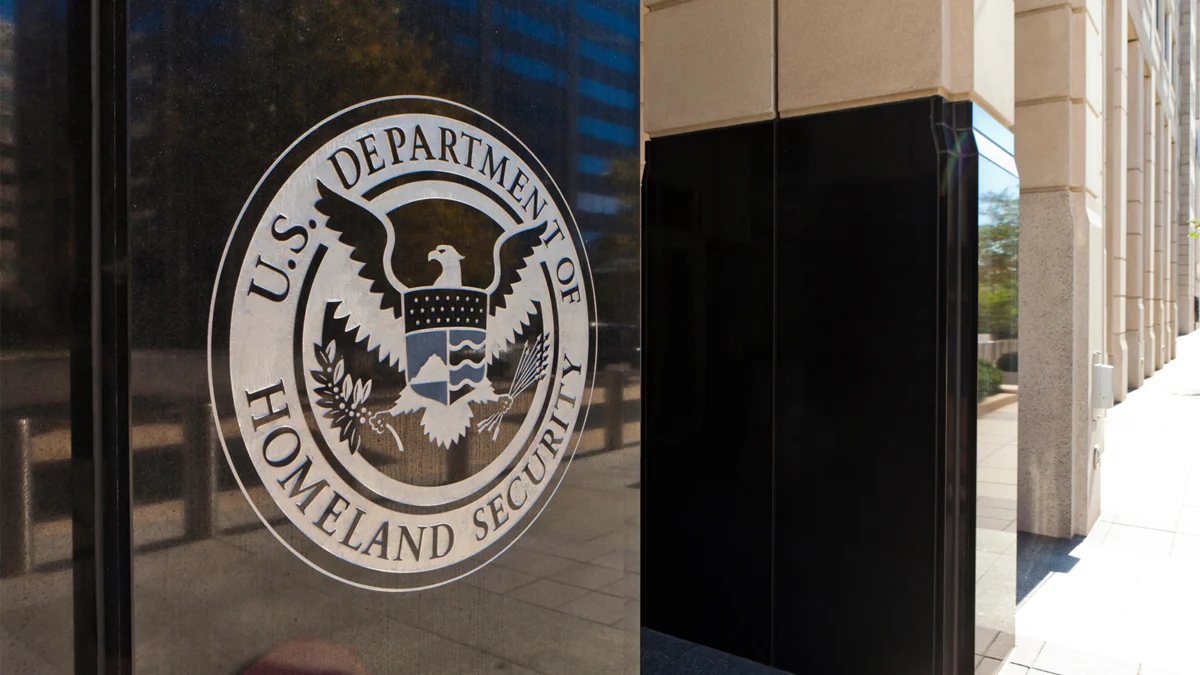
The movement began in earnest as a series of state-level legislative initiatives designed to align local administrative policies with federal deportation priorities. North Carolina, in late April 2026, became the most recent state to codify this shift, requiring its health department to identify and report Medicaid recipients whose immigration status is deemed “unsatisfactory” to the U.S. Department of Homeland Security (DHS).
North Carolina joins a growing cohort of states that have already enacted similar mandates, including Indiana, Louisiana, Montana, and Wyoming. In these jurisdictions, where Republicans hold a "power trifecta"—control of both the legislative chambers and the governor’s office—these bills have moved through the process with relative speed. Similar measures are currently under consideration in states like Oklahoma and Tennessee, signaling that this policy strategy is far from reaching its peak.
Carmel Shachar, a health policy researcher at Harvard Law School, notes that this is no longer a fringe policy preference. "This is an issue that is very much on the political radar right now," Shachar said. "We are seeing a strategic alignment between state administrative functions and federal enforcement goals that was previously rare in the public health sphere."
A Breakdown of the Mechanism
To understand the implications, one must look at the nature of Medicaid. The program serves over 75 million people, including some of the most vulnerable populations: children, the elderly, and individuals with disabilities. While unauthorized immigrants are ineligible for Medicaid benefits, the program serves a diverse group of legal residents, including green-card holders, asylums seekers, and refugees. Furthermore, the program is often the only safety net for U.S.-citizen children living in "mixed-status" households—families where some members may lack legal authorization while others are citizens.
The new state laws mandate that state employees perform proactive checks on applicants and current recipients. In North Carolina, the provision was notably attached to a $319 million funding bill intended to restore Medicaid services that had previously been cut during a budget impasse. This legislative "packaging" placed lawmakers in a difficult position: voting against the reporting mandate effectively meant voting against restoring vital healthcare funds.
State Rep. Donny Lambeth, a Republican in North Carolina, defended the measure during floor debates, framing it as a necessary measure for fiscal integrity. "This bill is designed not only to fund our critical needs today, but to begin looking at fraud, abuse issues we know exist within the system," Lambeth stated.
Chronology of Escalation
The integration of health data into immigration enforcement did not happen overnight. The current landscape is the result of a multi-year effort to harmonize state and federal information-sharing protocols.
- 2023: Florida enacted legislation requiring hospitals to collect and report information regarding the immigration status of patients. This set a precedent for using healthcare facilities as data-collection points for enforcement.
- 2024: Texas Gov. Greg Abbott issued an executive order requiring state agencies to collect similar information, expanding the scope of the Florida model.
- 2025: The federal government formally announced a mandate for the use of Medicaid data to assist in the identification and deportation of noncitizens. This provided the federal "green light" that many state legislatures had been waiting for.
- 2026: A wave of state laws, including those in North Carolina, Indiana, and Louisiana, codified the requirement for state agencies to act as active conduits for information sharing with federal authorities.
This timeline reflects a deliberate strategy to shift the burden of identification from federal agents to local health officials, who possess the most granular data on household composition and individual eligibility.
Supporting Data and The Reality of Welfare Fraud
Proponents of these laws frequently cite the need to combat "welfare fraud" as a primary motivation. However, independent research suggests that the scale of the problem is often overstated. Data from the Cato Institute, a libertarian think tank, consistently indicates that immigrants use social welfare programs at significantly lower rates than native-born Americans. Furthermore, their analysis shows that noncitizens are substantially less likely to commit welfare fraud than U.S. citizens.
State health agencies are already mandated by federal law to verify the eligibility of every applicant. Current systems are robust enough to ensure that only those with legal standing receive benefits. Critics of the new laws argue that the additional reporting requirements are not about fiscal sustainability, but are instead designed to create a "chilling effect" that discourages even eligible individuals from participating in public health programs.
Implications for Public Health
The most significant, and perhaps most concerning, implication of these laws is the erosion of trust in the healthcare system. When public health agencies become extensions of law enforcement, the fundamental doctor-patient relationship is compromised.
Yesenia Polanco-Galdamez, an immigration attorney in North Carolina, emphasizes that the fear is not merely hypothetical. "I expect this law will lead to more families asking whether it is safe to seek healthcare," Polanco-Galdamez said. "They are constantly weighing whether enrolling a child or seeking treatment for a sick family member could expose them to enforcement consequences."
This fear is backed by empirical evidence. A 2025 survey conducted by KFF and the New York Times found that nearly half of adults who likely lack legal status reported that someone in their family had avoided seeking medical care specifically out of fear that their information would be shared with immigration authorities.
Anabel Rosa, a discrimination attorney, highlights a unique aspect of this crisis: the "in-process" population. Many immigrants who are in the midst of applying for legal status already avoid government assistance to protect their cases. "What I’ve learned from handling thousands of cases over the years is that most of the individuals who are in process pay for their own medical treatment out-of-pocket," Rosa noted. These individuals are effectively being penalized by a system that refuses to acknowledge their status as residents or potential residents.
Leonardo Cuello, a researcher at Georgetown University’s Center for Children and Families, describes these policies as an "imprecise bomb." By targeting the household through the parent’s status, the policy effectively denies necessary medical care to U.S.-citizen children. "When you do policies that target an immigrant, you may think that you are just targeting this one person in the family, but it’s a really imprecise bomb that takes out the whole household," Cuello said.
Official Responses and Legal Pushback
The reaction to these laws has been deeply polarized. While Republican proponents remain firm in their stance on the rule of law and fiscal responsibility, Democratic leaders and advocacy groups are mobilizing.
In response to federal policies mining private medical data for deportation, 21 states joined a California-led lawsuit filed in 2025. The litigation aims to prevent the Department of Homeland Security from utilizing Medicaid data for enforcement. While a federal judge ruled that the identities of recipients could be shared, the court maintained that sensitive medical information must remain protected. The litigation is ongoing and represents the primary legal battlefield for the future of patient privacy.
In North Carolina, Governor Josh Stein, a Democrat, expressed deep reservations after signing the recent funding bill. While he signed the legislation to ensure funding for essential services, he issued a statement urging the Republican-led legislature to protect the coverage of nearly 27,000 pregnant women and children who are lawfully present in the country. His office, however, has remained largely silent on the reporting mandate itself, highlighting the precarious political position many moderate officials find themselves in.
Conclusion
The push to turn public health agencies into enforcement arms marks a critical pivot in the American debate over immigration. By forcing states to choose between funding essential health services and complying with aggressive reporting mandates, lawmakers are fundamentally altering the social contract.
As Polanco-Galdamez aptly noted, the health of the nation is interdependent. "Public health systems function best when people feel safe seeking medical care," she said. "Policies that blur the line between healthcare access and immigration enforcement risk pushing vulnerable families further into the shadows." As this trend continues to spread across the country, the long-term impact on public health, child welfare, and the integrity of the medical profession remains a subject of intense concern and unfolding conflict.