








Introduction: A New Frontier in Metabolic and Heart Health
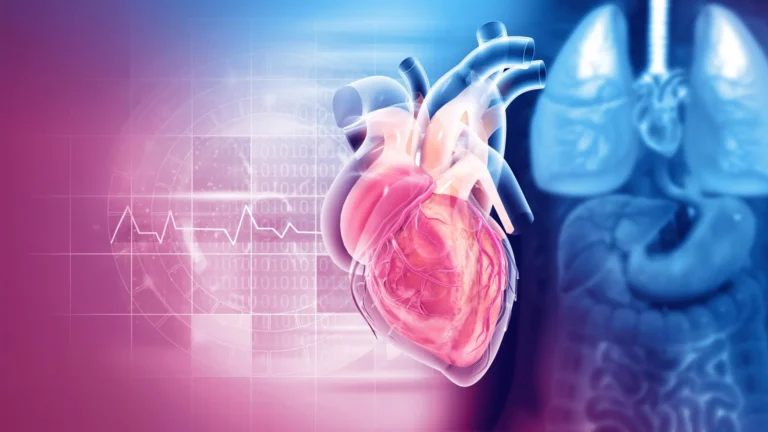
Heart disease remains the leading cause of mortality worldwide, claiming millions of lives annually through complications stemming from atherosclerosis—the insidious "clogging" of arteries. Despite decades of pharmacological advancements, including the widespread use of statins and antihypertensives, a significant residual risk remains for millions of patients.
However, a breakthrough study recently published in the journal Science Advances has illuminated a potential new weapon in the medical arsenal. An international team of researchers, spearheaded by the Leiden University Medical Centre in the Netherlands and featuring key contributions from Australia’s Monash University, has unveiled preclinical data suggesting that the experimental drug IC7Fc—previously recognized for its efficacy in treating type 2 diabetes—may possess potent cardiovascular protective properties. By simultaneously lowering cholesterol and dampening systemic inflammation, IC7Fc represents a potential paradigm shift in how clinicians might manage metabolic and heart-related conditions in tandem.
The Chronology of Discovery: From Diabetes to Heart Health
The development of IC7Fc has been a long-term, iterative process, largely guided by the work of Professor Mark Febbraio and his colleagues at the Monash Institute of Pharmaceutical Sciences (MIPS).
The Initial Breakthrough
The journey of IC7Fc began with a focus on metabolic disorders. Early preclinical investigations identified the drug as a viable candidate for managing type 2 diabetes, a condition characterized by insulin resistance and impaired glucose metabolism. Researchers observed that the molecule acted as a cytokine receptor fusion protein, capable of modulating specific metabolic pathways that regulate body weight and glucose levels.
Transitioning to Cardiovascular Research
As the researchers continued to explore the pharmacological footprint of IC7Fc, they began to hypothesize that its metabolic benefits might extend to the cardiovascular system. Atherosclerosis, the primary driver of heart attacks and strokes, is deeply intertwined with metabolic dysfunction. Inflammation and dyslipidemia (the imbalance of lipids such as cholesterol and triglycerides) are the hallmarks of both type 2 diabetes and heart disease.
In the latest study, the research team shifted their focus from obese, diabetic models to lean mice that were genetically predisposed to high cholesterol and arterial plaque formation. This strategic pivot allowed the scientists to isolate the drug’s cardiovascular effects from its previously documented weight-loss properties.
Supporting Data: Mechanisms of Action
The findings published in Science Advances provide a robust framework for understanding how IC7Fc exerts its protective effects on the vascular system.
Reduction in Atherogenic Lipids
The study utilized murine models prone to cardiovascular disease to test the drug’s efficacy. The data revealed a significant reduction in circulating triglycerides and low-density lipoprotein (LDL) cholesterol—the "bad" cholesterol that deposits in the walls of arteries. By lowering these levels, IC7Fc helps mitigate the raw materials required for the formation of fatty plaques.
Anti-Inflammatory Properties
Perhaps more importantly, the researchers noted a marked decrease in systemic inflammation. Atherosclerosis is not merely a condition of lipid accumulation; it is an active inflammatory process. When immune cells infiltrate the arterial wall, they contribute to the instability of plaques, which can rupture and cause life-threatening clots. IC7Fc appears to dampen this inflammatory response, effectively stabilizing the arterial environment and reducing the risk of plaque-related vascular damage.
Decoupling Weight Loss from Cardiovascular Benefit
One of the most compelling aspects of the research is the discovery that IC7Fc’s cardiovascular benefits are independent of body weight. While previous studies in obese mice showed that the drug significantly reduced appetite and promoted weight loss, the new study on lean mice found no change in body weight or food intake. This suggests that the drug possesses a "dual-action" capability: it acts as an anti-obesity agent in those who are overweight, but functions as a cardiovascular protectant in those who may be lean but still at high genetic risk for heart disease.
Official Responses and Expert Insights
The significance of these findings has drawn attention from across the scientific community, with the lead researchers emphasizing the potential for a new class of therapy.
The Perspective of Professor Mark Febbraio
Professor Mark Febbraio, who has been instrumental in the development of IC7Fc, frames the drug as a multifaceted solution to modern metabolic crises. "Our earlier studies showed IC7Fc could help manage type 2 diabetes," Febbraio noted. "This new research shows it can also reduce atherosclerosis, meaning it slows the ‘clogging’ of the arteries, where fatty deposits build up and restrict blood flow to the heart."
Febbraio is candid about the current limitations of modern medicine. "Heart disease remains the world’s biggest killer, driven largely by atherosclerosis. Even with common treatments that lower blood pressure and cholesterol, many people are still at risk, showing there’s more work to do."
Implications for Clinical Practice
The researchers argue that IC7Fc represents a "flexible therapy." By addressing the underlying inflammatory and metabolic drivers of heart disease rather than just the symptoms, the drug could provide a more comprehensive approach to patient care. The ability to target multiple pathologies simultaneously is often referred to as "polypill" potential, though in this case, it is a single molecule achieving complex results.
Implications: A New Era for Metabolic-Cardiovascular Care
The implications of these findings extend far beyond the laboratory, offering a roadmap for future human clinical trials.
Addressing Residual Risk
Many patients currently on statins or other lipid-lowering therapies still experience cardiovascular events. This "residual risk" is often attributed to chronic inflammation that existing medications fail to address. By integrating an anti-inflammatory agent like IC7Fc into the standard of care, clinicians may be able to provide a more robust shield against heart attacks and strokes.
Broadening the Patient Demographic
Because the drug’s cardiovascular benefits are not dependent on weight loss, it could potentially be prescribed to a much wider patient population. Traditional metabolic drugs often require patients to meet specific BMI criteria; however, if IC7Fc proves effective in human clinical trials, it could be utilized for any patient at high risk for arterial damage, regardless of their body mass.
The Road Ahead: Human Clinical Trials
Despite the promising results in preclinical models, the research team is cautious. The translation from mouse models to human physiology is a complex hurdle. The next steps for the international team involve rigorous phase-one and phase-two human clinical trials to establish safety, dosage, and efficacy in diverse human populations.
Questions that remain to be answered include:
- Long-term safety profiles: Are there side effects associated with long-term cytokine modulation?
- Optimal dosing: What is the minimal effective dose for humans?
- Synergy with current medications: How does IC7Fc interact with established treatments like statins, ACE inhibitors, or GLP-1 agonists?
Conclusion: Bridging the Gap
The discovery that IC7Fc can act as both a metabolic regulator and a cardiovascular guardian is a testament to the power of modern molecular medicine. By identifying a molecule that addresses the root causes of arterial plaque formation and inflammation, the international research team has opened a door to a potential future where heart disease can be managed with greater precision and efficacy.
As the scientific community awaits the results of upcoming human trials, the study stands as a beacon of hope for the millions of people living with the constant threat of cardiovascular disease. The ability to "de-clog" arteries and reduce the inflammatory environment that leads to heart attacks is the "holy grail" of cardiology, and with continued, rigorous research, IC7Fc may well be the key to achieving that goal.
The progress from a metabolic research project to a potential cardiovascular blockbuster underscores the importance of ongoing investment in preclinical science. It is through this diligent, evidence-based exploration that medicine continues to evolve, turning once-deadly chronic conditions into manageable, and perhaps eventually, preventable, aspects of human health.