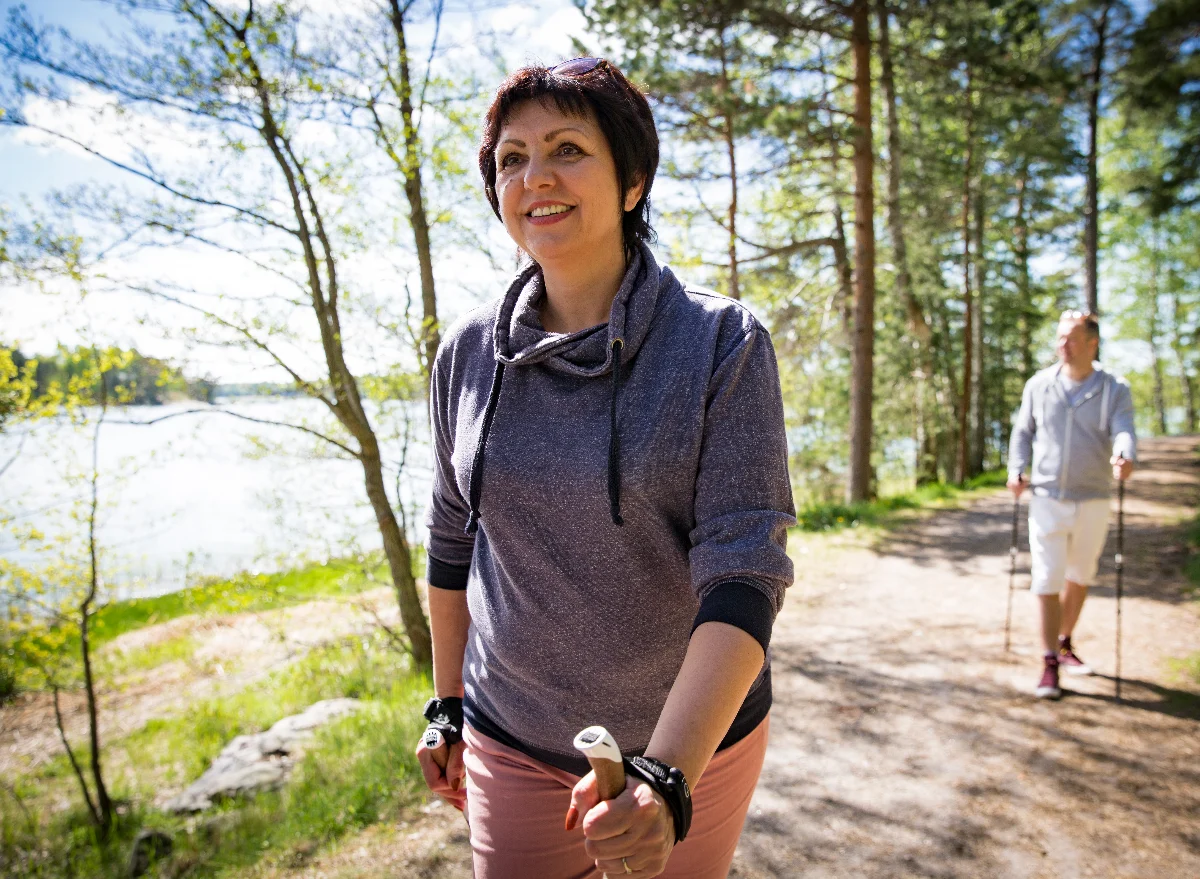
In an era of high-tech fitness trackers and complex, subscription-based workout regimens, the most profound secret to longevity may be the simplest: putting one foot in front of the other. While we often obsess over heart rates, caloric burn, and muscle hypertrophy, a growing body of clinical research suggests that the speed at which you traverse a sidewalk or a park trail is a potent, all-encompassing biomarker for your long-term health and cognitive vitality.
For millions of adults, particularly those over the age of 70, walking is more than just a means of transportation or a low-impact hobby—it is a vital sign. Experts are now suggesting that if you can maintain a brisk, steady pace in your golden years, your brain may be aging significantly slower than 90% of your peers.
The Cognitive Connection: Walking and Brain Volume
The benefits of walking extend far beyond cardiovascular endurance. Research published in prominent neurological journals underscores a compelling link between daily movement and the physical structure of the human brain.
Data indicates that individuals who commit to walking at least one mile per day experience a measurable increase in the volume of several critical brain regions. Chief among these is the frontal lobe—the command center for higher-order cognitive processes, including reasoning, decision-making, and complex problem-solving. As we age, the atrophy of these regions is often associated with cognitive decline and the onset of dementia-related conditions.
The statistics are striking: by maintaining a consistent habit of walking a mile a day, individuals can reduce their risk of cognitive impairment by approximately 50%. This suggests that the rhythmic, repetitive nature of walking acts as a form of "neuro-maintenance," fostering blood flow and oxygenation that keeps the mind sharp, resilient, and structurally sound.
Walking Speed as a Holistic Vital Sign
Why does the velocity of your stride matter more than the distance? According to Dr. Mariam Zakhary, DO, a double board-certified specialist in Physical Medicine and Rehabilitation and Sports Medicine, walking speed is an integrated metric.
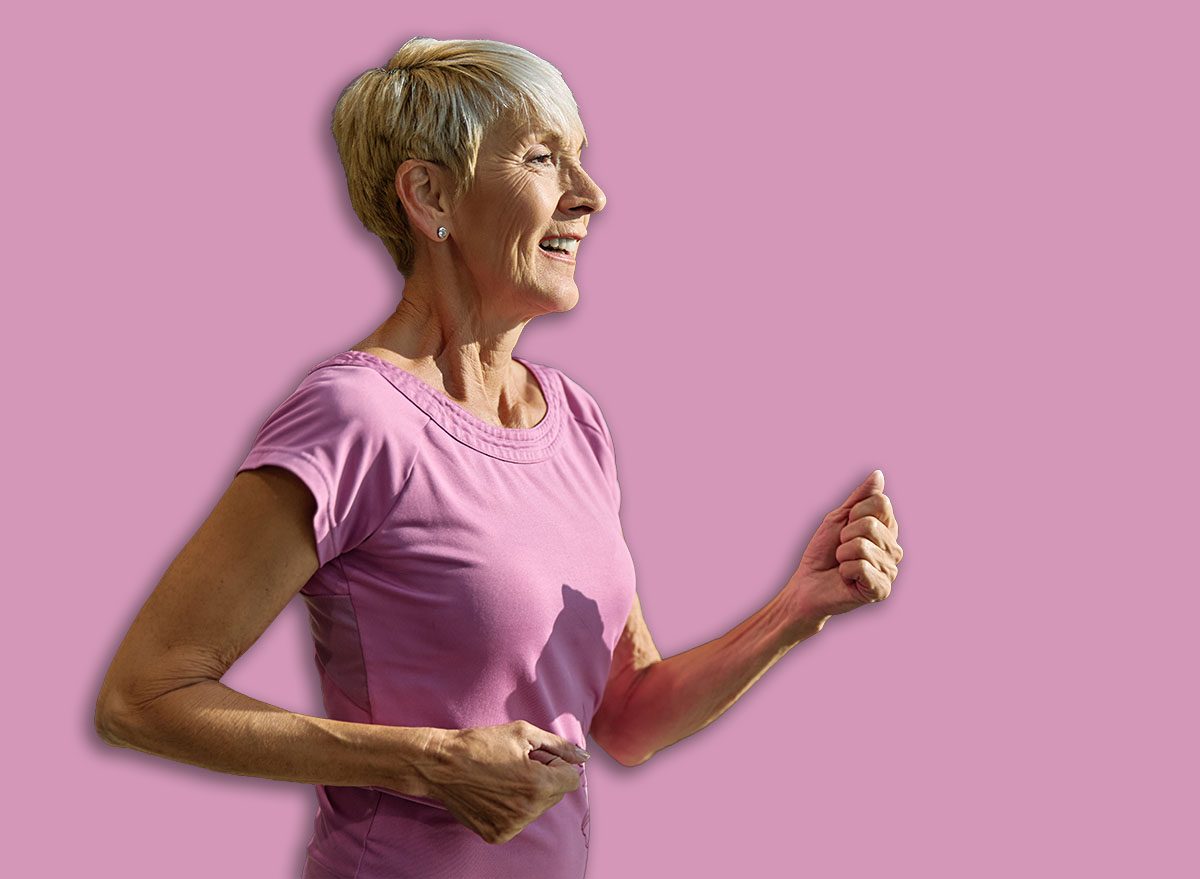
"Walking speed may be the most essential indicator of healthy aging because it is impacted by all bodily systems, including your muscles, brain, lungs, heart, and nervous system," explains Dr. Zakhary.
When you observe a person walking, you are witnessing the output of a complex symphony of physiological functions. A slow or unsteady gait can signal a breakdown in any one of these systems, making gait speed a powerful, non-invasive diagnostic tool for clinicians.
The Clinical Perspective: What the Literature Says
The medical community has consistently demonstrated that as people age, those who maintain faster natural walking speeds typically enjoy better overall cognitive functioning. Furthermore, these individuals report a significantly lower risk of disability, hospitalization, and mortality compared to their peers who move at a more lethargic pace.
Dr. Zakhary clarifies a common misconception: "It is important to note that this does not suggest that faster walking is a direct causal factor for slower brain aging; however, it provides a simple, accurate measure of someone’s overall physical health." In short, a fast, confident stride is a reflection of a body that is firing on all cylinders.
Establishing the "Golden Standard" for Those Over 70
For adults entering their 70s and beyond, the focus often shifts from high-intensity training to functional longevity. But what constitutes an ideal pace?
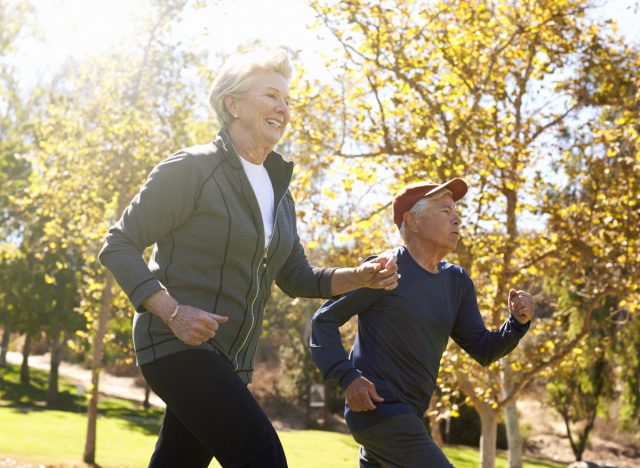
Rather than focusing on a specific number on a treadmill, Dr. Zakhary suggests a practical "talk test." The goal is to maintain a pace where you can comfortably speak, but you would be unable to sing. This "brisk but sustainable" effort ensures that the heart rate is elevated enough to provide metabolic benefit without causing undue stress on the joints.
In concrete terms, research generally characterizes physically fit, aging adults as those who can maintain a pace of approximately 1.2 to 1.4 meters per second—or roughly 2.7 to 3.1 miles per hour. While these metrics provide a benchmark, Dr. Zakhary emphasizes that there is no one-size-fits-all approach. "The exact best speed for each person will vary depending on their present level of physical fitness and mobility," she notes.
A Chronological Roadmap to Improving Your Gait
If you find that your current pace is slower than the recommended range, there is no need for alarm. Gait speed is malleable, and with a structured approach, you can reclaim your momentum.
Phase 1: The Foundation (Weeks 1-4)
Begin by focusing on consistency rather than intensity. Start with shorter, 15-minute walks to build the habit. During this phase, prioritize your posture: keep your gaze forward, your core engaged, and your shoulders relaxed.
Phase 2: Introducing Interval Training (Weeks 5-8)
To safely increase your speed, incorporate interval walking. This involves alternating between one to two minutes of a "brisk" pace (where your heart rate rises) and a slower, recovery pace. This cycle trains your cardiovascular system to handle higher intensities without risking overexertion.
Phase 3: Targeted Strengthening (Ongoing)
Walking is the output, but strength is the engine. Dr. Zakhary emphasizes that you cannot rely on walking alone. "Increasing strength in your hip flexors, glutes, calves, and core, and performing balance exercises, typically results in improved efficiency and confidence while walking," she says.
The Necessary Caveats: Beyond the Stroll
While the benefits of walking are profound, it is a mistake to treat it as a panacea. A truly healthy aging strategy requires a multi-faceted approach.
"While walking is a great form of exercise, like any other form of physical activity, it needs to be supported by at least twice-weekly resistance training, daily balance training, and daily stretching or flexibility training," advises Dr. Zakhary.
This is particularly important for the prevention of sarcopenia—the age-related loss of muscle mass. Walking provides excellent cardiovascular conditioning, but it does little to build the bone density and muscle strength required to prevent falls and maintain independence in later life.
Avoiding the "Plateau Effect"
The human body is an adaptation machine. If you walk the same route at the same pace every single day for years, your body will eventually stop responding to the stimulus. To continue reaping the neurological and physiological benefits, you must introduce "progressive overload."
This does not necessarily mean walking faster every day. It means changing the variables of your routine:
- Vary the Terrain: Transition from flat pavement to slight inclines or uneven park paths to challenge your stabilizer muscles.
- Increase Distance: Occasionally push for a longer duration to build endurance.
- Increase Intensity: Incorporate short bursts of power-walking to push your heart rate into a new zone.
"The body gets used to doing something after a period of time; therefore, to continue improving, you need to provide your body with some new stimulus," Dr. Zakhary explains.
The Bottom Line: Why You Should Start Today
The evidence is clear: the pace at which you walk is a mirror held up to your overall health. It reflects the strength of your heart, the integrity of your nervous system, and the health of your brain.

For those who have been sedentary, the prospect of starting an exercise program can feel daunting. However, the beauty of walking is its accessibility. You do not need a gym membership, expensive equipment, or specialized training to begin. You simply need a pair of comfortable sneakers and the commitment to step out the door.
By incorporating a brisk, consistent walking routine into your daily life—and supporting it with basic strength and flexibility work—you are doing more than just moving your body. You are investing in your cognitive future, protecting your brain volume, and ensuring that you have the mobility to enjoy your later years with independence and vitality.
So, put down the remote, lace up your shoes, and start your journey toward a healthier, faster, and sharper version of yourself. Your mind and body will thank you for years to come.