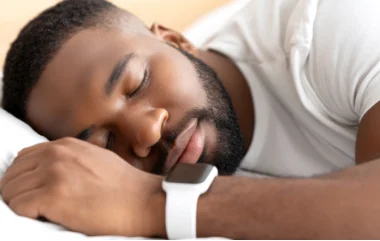
In the modern era, the quest for self-optimization has transcended diet and exercise, extending its reach into the most vulnerable hours of our lives: sleep. With the rapid proliferation of wearable technology—from sleek smartwatches to sophisticated under-mattress sensors—the ability to quantify the night has become a mainstream pursuit. However, as the American Academy of Sleep Medicine (AASM) reports, this obsession with data is creating a double-edged sword. While technology offers a window into our physiological rhythms, it is increasingly fueling a psychological phenomenon known as "orthosomnia"—the unhealthy obsession with achieving "perfect" sleep.
Main Facts: The Digital Bedside Monitor
The landscape of sleep has shifted from a subconscious necessity to a performance metric. According to a 2025 survey by the AASM, nearly half of all U.S. adults (48%) have integrated some form of sleep-tracking technology into their nightly routines. This transition reflects a cultural paradigm shift: sleep is no longer viewed as "downtime," but as an essential pillar of health, sitting alongside cardiovascular fitness and nutritional intake.
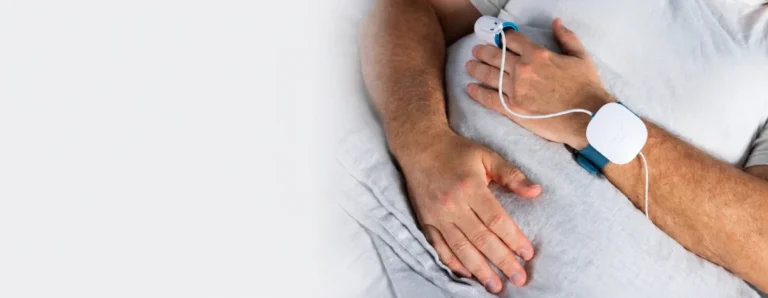
The primary appeal of these devices lies in their ability to translate the abstract feeling of "being tired" into concrete, actionable data. Users can now view granular breakdowns of their sleep cycles—light, deep, and REM sleep—alongside heart rate variability and blood oxygen levels. Yet, as the data becomes more complex, the anxiety surrounding "sleep scores" has intensified, turning the bedroom into a laboratory where the user is both the lead researcher and the anxious subject.
Chronology: The Rise of "Sleepmaxxing"
The evolution of sleep tracking is a relatively recent phenomenon, tracking closely with the broader "quantified self" movement.
- Early 2010s: Sleep tracking was relegated to niche fitness enthusiasts using rudimentary pedometers that required manual activation.
- Mid-2010s: The mainstream arrival of smartwatches made passive tracking the norm. Sleep data became an automated byproduct of wearing a device.
- 2020-2023: The global pandemic sparked a heightened interest in immune health and physiological wellness. During this period, the industry saw a surge in sophisticated sensors that could monitor respiratory rates and temperature, providing deep-dive analytics.
- 2024-2025: The emergence of "sleepmaxxing"—a viral social media trend focused on optimizing every aspect of the sleep environment (lighting, temperature, supplements, and white noise) to hit peak recovery scores. This period marks the tipping point where the pressure to "win" at sleep began to outweigh the actual benefits of rest.
Supporting Data: The Behavioral Divide
The AASM data highlights a significant divide in how different demographics utilize this technology. Among those who use sleep trackers, 55% report that the data has directly influenced their behavior. This group is actively using their devices to adjust bedtimes, enforce stricter wake-up calls, and monitor nighttime disturbances.
The gendered divide in usage is also pronounced:
- Usage Rates: 56% of men report using sleep-tracking devices, compared to 40% of women.
- Investment: Men are statistically more likely to invest heavily in consumer sleep-enhancement products, ranging from specialized pillows and cooling systems to advanced light therapy devices.
- Behavioral Change: The survey indicates that men are not only more likely to adopt these tools but also more likely to modify their daily routines based on the feedback loop provided by their apps.
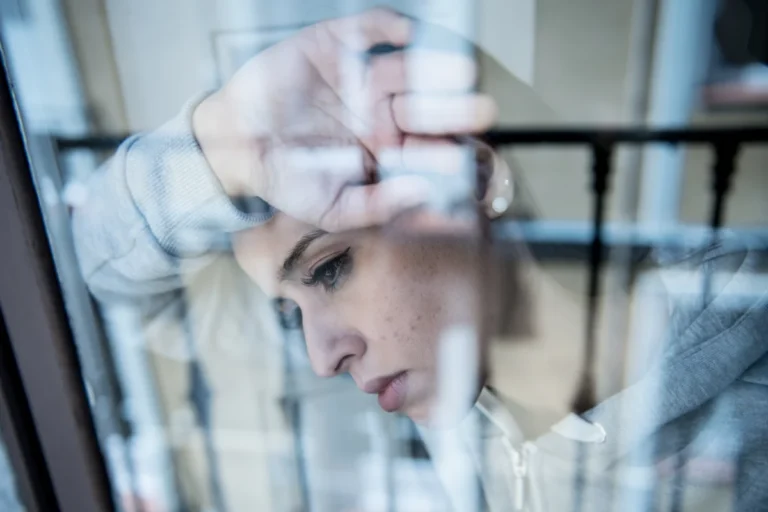
Despite these changes, the data also reveals a darker undercurrent. A staggering 76% of adults report having lost sleep specifically because they were anxious about their sleep quality. This suggests that for a large portion of the population, the tool designed to provide peace of mind is actually acting as a primary stressor.
The Implications: Orthosomnia and the Anxiety Cycle
The psychological impact of over-monitoring has been codified by researchers as "orthosomnia," a term derived from the Greek ortho (correct) and somnia (sleep). It describes a clinical or sub-clinical state where patients become fixated on the accuracy of their sleep data.
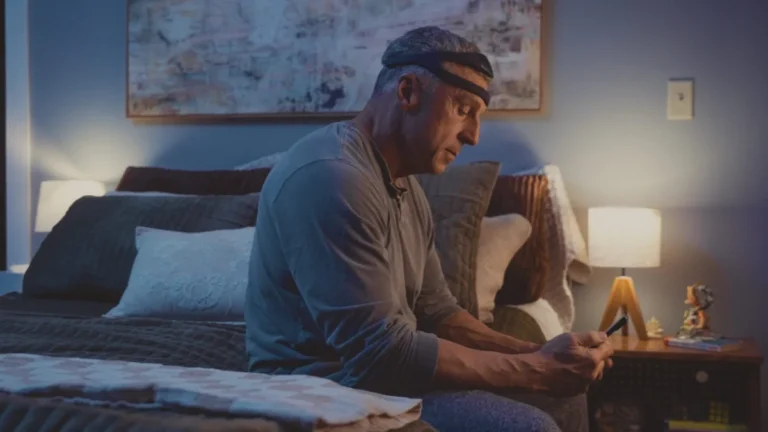
When a user wakes up and checks their app to find they received a "poor" score, the physiological stress response is immediate. This creates a self-fulfilling prophecy: the anxiety triggered by the low score releases cortisol and adrenaline, which are the biological antitheses of the hormones needed for restful sleep. Over time, this cycle can lead to chronic insomnia, as the bed becomes associated with the pressure to perform rather than the relief of rest.
Furthermore, these devices are not medical-grade equipment. They often estimate sleep stages based on movement and heart rate variability, which can be inaccurate. A user might feel well-rested but see a "low recovery" score on their device, leading them to believe they are fatigued when they are not, or conversely, ignoring signs of genuine exhaustion because the device suggests they slept well.
Official Responses and Clinical Perspectives
Medical professionals are increasingly urging a more cautious approach to health technology. The consensus among sleep specialists is that data should be a starting point for awareness, not a diagnostic tool for perfection.
"The goal of a sleep tracker should be to facilitate healthy habits, not to dictate the quality of your existence," notes the AASM in their recent guidance. Experts emphasize that the "healthy range" for sleep is broad and individualistic. The obsession with hitting a specific "sleep score" or "recovery percentage" ignores the fact that sleep architecture varies wildly from person to person and night to night.
When the anxiety of tracking begins to outweigh the benefits of knowing, the AASM suggests the following professional approach:
- De-emphasize the Score: If the app’s "score" is causing stress, turn off notifications and stop checking the app immediately upon waking.
- Focus on Consistency: Instead of tracking REM cycles, track the consistency of your "wind-down" routine. Did you turn off screens an hour before bed? Did you keep the room dark? These are the variables you can control.
- The "20-Minute Rule": If you are lying in bed checking your device, stop. If you haven’t fallen asleep within 20 minutes, get out of bed and engage in a low-stimulation activity until you feel tired.
When to Seek Professional Intervention
It is vital to distinguish between a casual interest in health data and a clinical sleep disorder. If your preoccupation with sleep metrics is causing persistent daytime impairment, irritability, or an inability to function, it is time to consult a professional.
A sleep specialist can differentiate between "tracker-induced anxiety" and underlying conditions such as obstructive sleep apnea, restless leg syndrome, or chronic insomnia. These conditions require objective, medically validated studies—such as polysomnography—rather than wrist-worn motion sensors.
Accredited sleep centers, which can be located via resources like the American Academy of Sleep Medicine, provide a safe environment for those who feel that their rest is compromised. They offer evidence-based therapies, including Cognitive Behavioral Therapy for Insomnia (CBT-I), which is the gold standard for treating the root causes of sleep anxiety.
Conclusion: Reclaiming the Night
The technological revolution in health has provided us with unprecedented insights into our own biology. However, as we move into the latter half of the decade, the most sophisticated tool for sleep health remains the one we have had all along: the ability to listen to our bodies.
True restorative sleep is not a mathematical calculation of deep-sleep minutes or a perfect recovery score. It is the result of consistent, healthy habits, a regulated nervous system, and the ability to disconnect from the digital world. By shifting the focus from "sleepmaxxing" to a more sustainable, holistic approach to rest, we can ensure that our devices serve us, rather than the other way around. The next time you wake up, instead of reaching for your phone to check your sleep data, try noticing how you feel. Your body usually knows the truth long before the app does.