For decades, the medical community and public health advocates have championed physical activity as the cornerstone of childhood development. From the school playground to organized youth sports, the mantra has been clear: move more, breathe deeper, and build stronger lungs. However, a groundbreaking study presented at the American Thoracic Society (ATS) 2026 conference has introduced a sobering nuance to this consensus.
New research indicates that the physiological gains children derive from vigorous exercise may be systematically undermined by high levels of ozone pollution. This discovery suggests that in an era of worsening air quality, the very environments in which children are encouraged to play may be hindering their long-term respiratory health, effectively creating a "pollution ceiling" on the benefits of physical activity.
The Core Findings: Intensity vs. Environment
The study, which analyzed the development of over 3,400 children between the ages of 6 and 9, highlights a complex biological tension. While vigorous physical activity is strongly associated with improved lung function, the research suggests that this benefit is not absolute. When children engage in intense exercise, their respiratory rate increases, drawing larger volumes of air—and the pollutants within it—deep into their developing lungs.
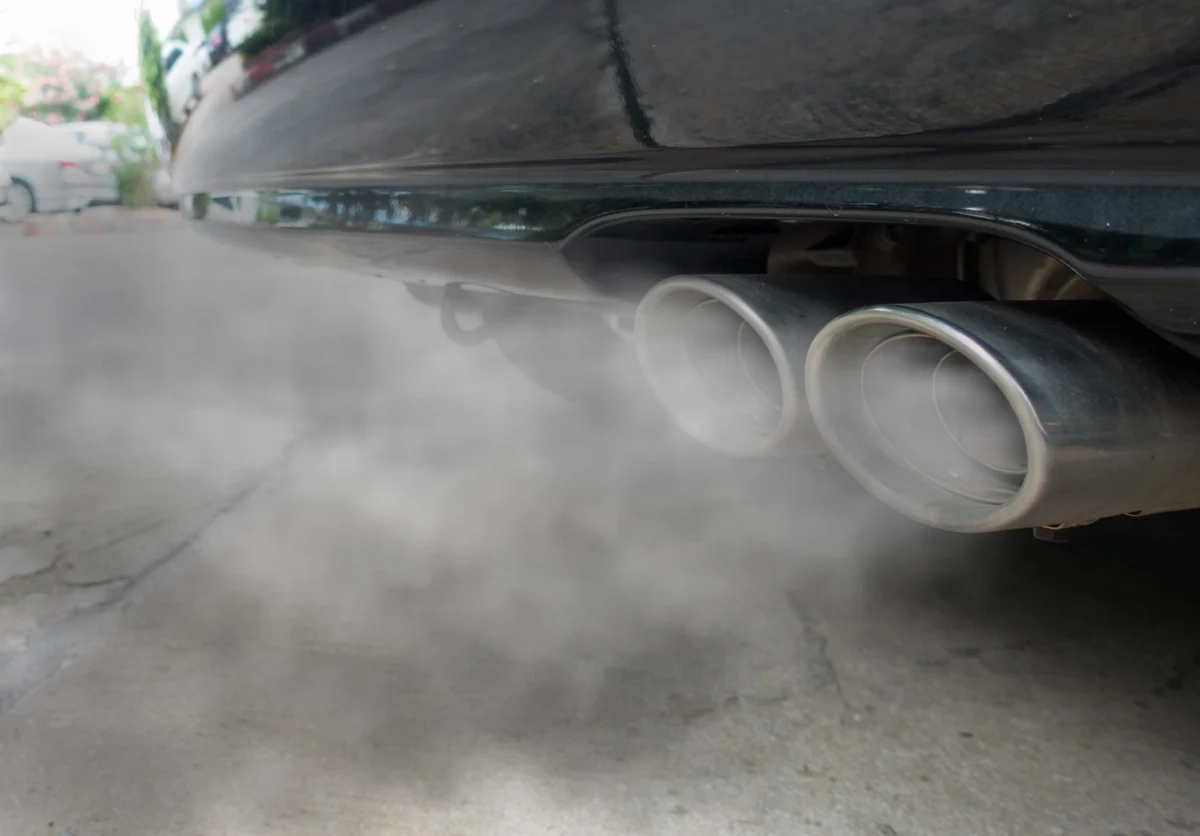
Ozone, a highly reactive gas formed by the interaction of sunlight with emissions from vehicles and industrial processes, emerged as the primary culprit. Unlike particulate matter, which is often the focus of air quality alerts, ozone acts as a direct chemical irritant to the lining of the airways. As children push their bodies during high-intensity play, they inadvertently expose their lung tissue to higher concentrations of this gas, potentially offsetting the developmental improvements typically gained through exertion.
Chronology of the CHILL Study
The insights presented at ATS 2026 are the result of a rigorous four-year longitudinal analysis conducted as part of the Children’s Health in London and Luton (CHILL) study. The methodology and timeline of the research provide a comprehensive look at the intersection of lifestyle and environmental exposure:
- Initial Cohort Selection (Baseline): Researchers recruited 3,400 children aged 6 to 9, establishing baseline data for lung capacity, respiratory health history, and baseline physical activity levels.
- The Four-Year Tracking Period: For the duration of the study, the team monitored the children’s lung growth through standardized testing. Simultaneously, they mapped each child’s residential location against high-resolution pollution monitoring data.
- Data Integration (Year 3): The researchers began synthesizing activity logs—which tracked both moderate and vigorous movement—with localized atmospheric data, identifying clear patterns between exercise intensity and pollutant exposure.
- Synthesis and Peer Review (Year 4): The final year was dedicated to correlating the biological data (lung growth metrics) with the external environmental factors.
- ATS 2026 Presentation: The findings were formally unveiled to the scientific community on May 20, 2026, marking a pivotal moment in how public health officials may view urban planning and childhood health guidelines.
Supporting Data: Why Intensity Matters
The CHILL study provides a critical distinction between "moderate" and "vigorous" physical activity. Interestingly, the study found that moderate activity—while beneficial for general health—did not correlate as strongly with lung function growth as vigorous activity did.
This creates a paradox: the more a child benefits from exercise in a clean environment, the more they potentially suffer in a polluted one. The data suggests that at higher breathing rates, the irritant effect of ozone overrides the mechanical strengthening of the lung tissues.
- The Ozone Factor: Researchers noted that ozone exposure consistently outranked other pollutants, such as nitrogen dioxide or fine particulate matter (PM2.5), in its ability to suppress the expected gains in lung function.
- Biological Vulnerability: During the ages of 6 to 9, human lungs are in a critical growth phase. Airway remodeling and alveolar development are ongoing. Exposure to reactive gases during this window may lead to "arrested development" in respiratory capacity, a deficit that can persist well into adulthood.
Expert Perspectives: The Need for Holistic Policy
Dr. James Scales, a senior research fellow at Queen Mary University of London and lead voice on the study, emphasizes that the findings are not a reason to discourage exercise. Instead, they are a call to action for urban and environmental policy reform.
"The main message is that physical activity and environmental health are closely connected," Dr. Scales stated during his presentation at the conference. "Encouraging children to be active is essential, but ensuring they grow up in clean, healthy environments is equally important. We cannot ask parents to choose between the physical fitness of their children and the quality of the air they breathe."
Dr. Scales and his colleagues argue that the current World Health Organization (WHO) physical activity guidelines do not sufficiently account for environmental risk. "If we are telling children to be vigorous, we have an implicit obligation to ensure the air they are breathing while being vigorous is safe," he added. The researchers are now advocating for a "Clean Air Zone" approach to school zones and public parks, where traffic-related emissions are strictly managed during peak afternoon play hours when ozone levels are typically at their highest.
Implications for Public Health and Urban Planning
The implications of the ATS 2026 findings extend far beyond the laboratory. They strike at the heart of modern urban planning and pediatric healthcare.
1. Revising Physical Activity Guidelines
Public health bodies may need to introduce "environmental caveats" to exercise recommendations. If ozone levels are high, current guidelines might shift to recommend indoor activities or lower-intensity outdoor play, particularly for children with existing sensitivities like asthma.
2. The Case for Emission Controls
The study provides empirical support for stronger, localized legislation regarding ozone-forming emissions. By linking ozone levels directly to the developmental trajectory of children’s lungs, advocates now have a powerful argument for tightening traffic regulations in residential and school districts.
3. Future Research Directions
The research team is already looking toward the next phase of the investigation. Future studies will focus on:
- Threshold Identification: Is there a specific "parts per billion" (ppb) threshold of ozone where the benefits of exercise are fully negated?
- Short-term vs. Long-term: While the CHILL study looked at four years of growth, researchers want to see if the "ozone penalty" is reversible if a child moves from a high-pollution area to a cleaner one.
- Socioeconomic Disparities: The team plans to investigate whether children in lower-income areas, who often live in closer proximity to industrial corridors or high-traffic roads, are disproportionately affected by this phenomenon.
Conclusion: A Call for Cleaner Playgrounds
The findings presented at ATS 2026 represent a vital step forward in our understanding of pediatric respiratory health. They serve as a stark reminder that children are not just "small adults"; they are in a dynamic state of physiological development that makes them uniquely vulnerable to the changing chemistry of our atmosphere.
As urban centers continue to expand, the integration of public health data into city planning is no longer an option—it is a necessity. If we are to secure a healthy future for the next generation, we must ensure that the air they breathe is as nourishing as the exercise they undertake. The "unintended consequences" of our current environmental trajectory are now quantifiable, and the path forward requires a unified approach: one that protects the lungs of our children by cleaning the air they breathe, ensuring that their pursuit of physical fitness is truly the benefit it was meant to be.
Conference Session Details:
- Presentation Vigorous Physical Activity, Ozone Exposure, and Lung Growth in Children
- Session Reference: D26, The Unintended Consequences: Environmental Impacts of Air Pollution, Climate Change, and Modern Lung Disease
- Date: Wednesday, May 20, 2026
- Time: 8:15 a.m.
- Location: W206, Level II, OCCC West Concourse