For many women over the age of 60, the reflection in the mirror brings a recurring question: "What can I do about these hip dips?" That subtle inward curve along the side of the pelvis is a frequent topic of conversation in personal training sessions. While often perceived as a sign of aging or a loss of fitness, the "hip dip"—medically known as trochanteric depression—is rarely a reflection of one’s dedication to health.
With nearly 40 years of experience in the fitness industry and as a co-founder of TRAINFITNESS, one of the UK’s leading personal training education providers, I have spent decades helping women navigate the changes that come with maturity. The truth is that while you cannot alter your skeletal framework, you can absolutely transform the strength, stability, and aesthetic firmness of your hip area. And surprisingly, the most popular exercise in the gym—the squat—is likely not the most effective tool for the job.
Understanding the Anatomy of the Hip Dip
To address the concern, we must first dispel the myth that hip dips are a "fitness failure." A hip dip is primarily determined by the structural anatomy of the pelvis—specifically the width of your iliac crest and the distance between your hip socket and the top of your femur. This is a natural, bony landscape that varies from person to person.
However, the "softness" or lack of definition in that area can be influenced by the state of the musculature surrounding it. Specifically, the gluteus medius and gluteus minimus are the unsung heroes of the hip. These muscles sit on the lateral aspect of the pelvis. When these muscles are underdeveloped, the area can appear less firm. Strengthening them doesn’t just offer a cosmetic benefit; it provides essential support for the pelvis, improves balance, and ensures a steady, confident gait as we age.

The Limitation of Traditional Squats
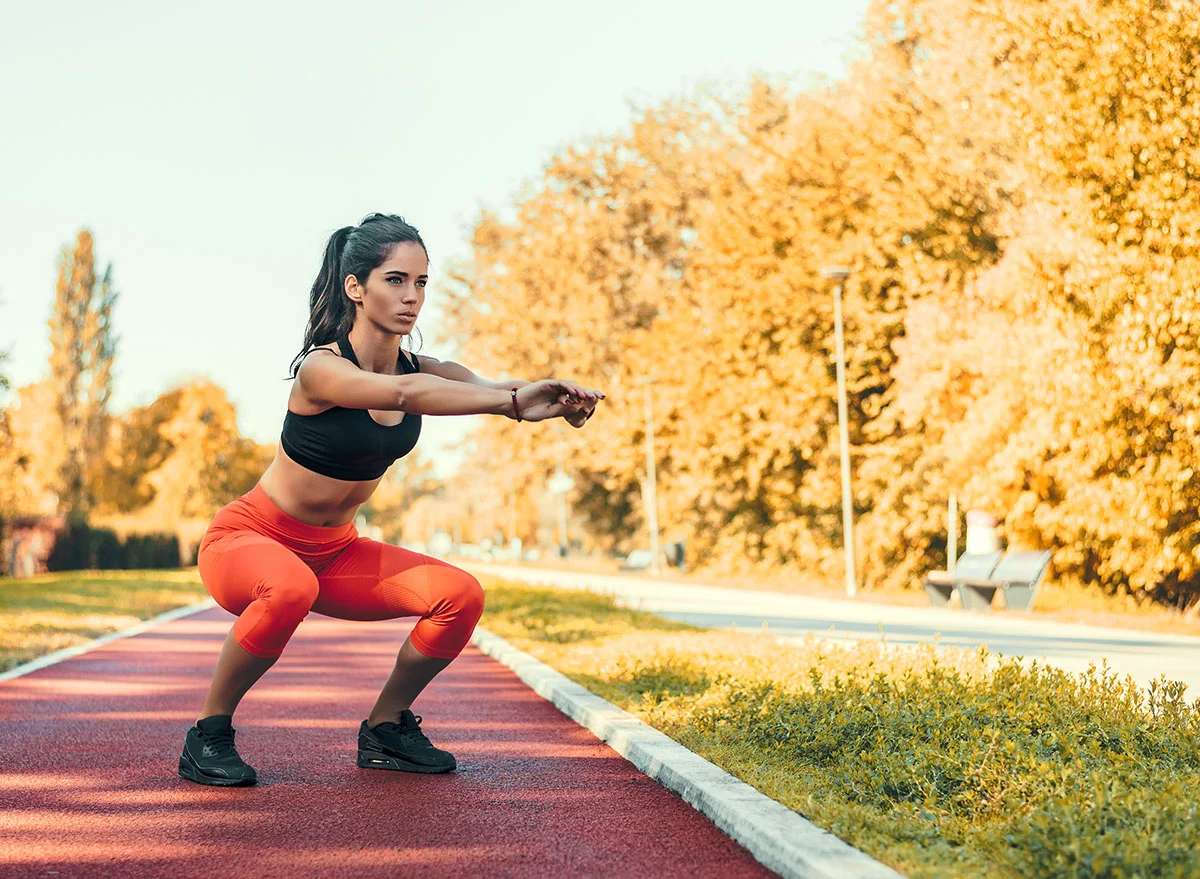
The fitness industry has long championed the squat as the gold standard for lower body development. While the squat is undeniably a functional powerhouse for building the gluteus maximus (the largest muscle at the back of the hip) and the quadriceps, it is not the most efficient way to isolate the side glutes.
Squats are a sagittal-plane movement, meaning they work primarily by moving the body forward and backward. The gluteus medius and minimus, however, are designed for abduction—moving the leg away from the body—and stabilizing the pelvis during single-leg movements. To "fill in" the side of the hip, you must use exercises that move the leg laterally or involve rotation from a stable pelvic base. By shifting the focus away from generic squats toward targeted isolation exercises, you can effectively "wake up" these dormant muscles.
A Chronological Approach to Strengthening
The following routine is designed to be performed at home with zero equipment. These exercises progress from foundational floor-based movements to functional standing exercises, mimicking the demands of daily life.
1. The Side-Lying Leg Raise
This is the most direct way to isolate the gluteus medius.

- The Technique: Lie on your side with your legs stacked and straight. Engage your core to keep your pelvis perpendicular to the floor. Slowly lift the top leg toward the ceiling, pause for a second at the top, and lower it with control.
- The Expert Tip: The "descent" is just as important as the lift. Do not let gravity do the work; fight the resistance as you lower the leg.
- Target: 12 to 15 repetitions per side.
2. The Clamshell
Often used in physical therapy, this exercise is gentle on the joints while being highly effective at targeting the deep rotators of the hip.
- The Technique: Lie on your side with knees bent at a 45-degree angle. Keep your feet touching as you lift your top knee, opening your legs like a clam.
- The Expert Tip: Avoid rocking your hips backward. Imagine your back is against a wall; maintain that alignment throughout the movement.
- Target: 12 to 15 repetitions per side.
3. Standing Hip Abduction
This movement transitions the exercise to a standing position, which is critical for functional strength and balance.
- The Technique: Stand behind a sturdy chair or counter for support. Keep your posture tall and core braced. Slowly lift one leg out to the side, keeping the toe pointed forward.
- The Expert Tip: Do not lean your torso to the opposite side to compensate for the lift. The movement should come purely from the hip joint.
- Target: 12 to 15 repetitions per side.
4. Standing Glute Kickback
While the previous moves focus on the side, the kickback addresses the back of the hip, adding overall fullness.
- The Technique: Stand tall and hold a support. Hinge slightly at the hips and extend one leg straight back behind you, squeezing the glute at the peak of the motion.
- The Expert Tip: Keep the movement controlled. Do not arch your lower back; the focus must remain on the gluteal contraction.
- Target: 12 to 15 repetitions per side.
Supporting Data and Evidence-Based Training
Consistency is the mechanism through which muscle fiber remodeling occurs. For women over 60, training three to four times a week provides the optimal balance between stimulus and recovery.
It is important to note that while these exercises build muscle, they do not "spot-reduce" fat. Body composition is a holistic process. To reveal the newly developed muscle, these exercises should be paired with consistent cardiovascular activity—such as walking or swimming—which supports overall metabolic health. When you combine targeted resistance training with a healthy, protein-rich diet and daily movement, you optimize the body’s ability to firm and tone the targeted areas.
Professional Perspectives on Aging and Fitness
Experts in gerontology and sports science agree that the "use it or lose it" principle is paramount after age 60. When we neglect the gluteus medius, we aren’t just losing a specific aesthetic shape; we are increasing the risk of falls and hip instability.
"The goal for a client in their 60s is not to chase the physique of a 20-year-old," says a veteran trainer, "but to build the most functional, strong, and resilient version of their own body." By prioritizing hip stability, we address the root cause of many mobility issues that plague the aging population. The aesthetic "firming" that occurs as a result of these exercises is essentially a bonus—a visual indicator that the hips are structurally sound and capable.
Implications: What to Expect Over Time
If you commit to this routine, you will likely notice a change in how you move long before you see a change in the mirror. Within the first two weeks, you may find that climbing stairs or taking long walks feels less taxing. That is the feeling of increased pelvic stability.

By the 8-to-12-week mark, as you progress from two sets to three, the muscular development will become more apparent. The side of the hip will feel firmer to the touch, and the "dip" will likely appear shallower due to the increased muscle mass surrounding it. However, it is vital to keep expectations realistic: your skeletal structure remains the same.
Ultimately, this journey is about moving away from the anxiety of "fixing" an perceived flaw and moving toward the empowerment of building a stronger foundation. A stronger hip is a more capable hip. Whether you are navigating a hiking trail or simply going about your daily routine, the benefits of this training program will serve you far beyond the mirror. Embrace the process, keep the movements slow and intentional, and remember that at any age, you are the architect of your own physical longevity.