Barcelona, Spain — Monday, 7 September 2026
In a compelling intersection of medical science and holistic wellness, new research presented at the European Respiratory Society (ERS) Congress in Barcelona suggests that the age-old adage “laughter is the best medicine” may hold profound clinical significance for patients suffering from Chronic Obstructive Pulmonary Disease (COPD).
The clinical trial, which evaluated the efficacy of deliberate laughter therapy, has demonstrated that structured laughter exercises are as effective as traditional pursed-lip breathing techniques in alleviating the chronic breathlessness that defines the condition. For millions of people worldwide, this finding offers a low-cost, accessible, and potentially transformative tool to manage a disease that has historically been limited to pharmacological interventions and intensive pulmonary rehabilitation.
The Clinical Landscape: Understanding COPD
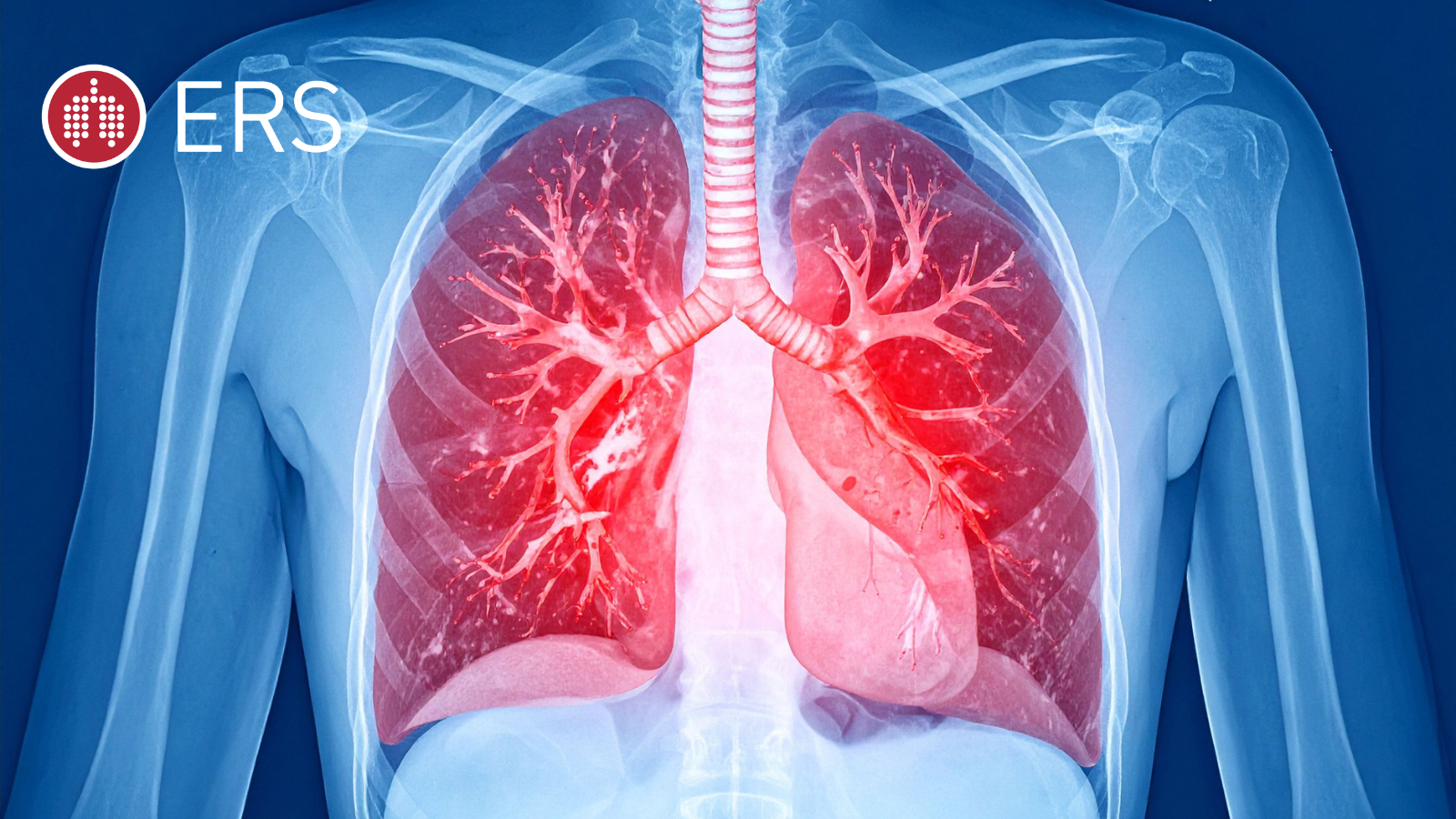
Chronic Obstructive Pulmonary Disease is a progressive, debilitating lung condition characterized by restricted airflow and chronic inflammation. It is a leading cause of disability and premature death globally, affecting millions who struggle to perform even the most basic daily tasks.
Patients with COPD often exist in a cycle of physiological and psychological distress. Physically, the airways become obstructed and lose their elasticity, causing "stale" air to become trapped in the lungs. Emotionally, the constant struggle for breath creates a profound sense of anxiety, social isolation, and dependency. As Dr. Goncagul Aldan, a lecturer and nurse at the Hacettepe University Faculty of Nursing in Ankara, Türkiye, explains, “Managing COPD requires more than medication alone. Patients need a holistic approach to help them cope with their symptoms, the physical burden of the disease, and its emotional and psychological impact.”
Chronology of the Trial: From Ankara to Barcelona
The journey of this research began at the Ankara Bilkent City Hospital in Türkiye, where researchers sought to determine if non-traditional, cost-effective techniques could be integrated into existing respiratory care.
- Study Design: The trial recruited 63 participants diagnosed with COPD. To ensure statistical rigor, the cohort was divided into three equal groups: those practicing laughter therapy, those performing traditional pursed-lip breathing exercises, and a control group receiving no intervention.
- The Intervention Phase: Over an eight-week period, participants were trained in their respective techniques via face-to-face sessions. The “prescribed” regimen required 30 minutes of practice, three times per week. To ensure compliance and provide ongoing support, researchers utilized a hybrid model of care, supplementing in-person training with video calls and text-based reminders.
- The Laughter Protocol: Unlike passive laughter, the “laughter therapy” group engaged in a structured series of vocal and physical movements. This included rhythmic clapping paired with vocalization, playful mimetic exercises—such as roaring like a lion or imitating a motorcycle engine—spontaneous laughter meditation, and final relaxation sequences involving calm breathing and smiling.
- Data Collection: Assessments were conducted at the start, midpoint, and conclusion of the trial. The researchers measured respiratory difficulty (dyspnea), overall health metrics, and the level of daily care required by the participants.
- The Barcelona Congress: On September 7, 2026, the findings were formally presented to the international medical community at the ERS Congress, drawing significant attention from respiratory specialists and public health advocates.
Supporting Data: Comparative Outcomes
The results of the Ankara study provide a compelling argument for the inclusion of laughter therapy in standard care protocols. The most significant finding was that participants in the laughter therapy group experienced a statistically significant reduction in the severity of their breathlessness, matching the performance of the traditional pursed-lip breathing group.
Key Metrics of Success:
- Sustained Relief: Unlike many transient interventions, the benefits of the laughter therapy were observed to persist for at least one month after the formal eight-week program concluded.
- Health Improvements: Both the laughter therapy and the pursed-lip breathing cohorts reported superior overall health scores compared to the control group.
- Mechanical Efficacy: Pursed-lip breathing is a gold-standard technique that creates gentle back pressure, forcing trapped air out of the lungs. The study suggests that laughter performs a similar mechanical function—exercising the muscles associated with respiration and promoting deeper exhalation.
- Emotional Impact: Beyond the physical, the researchers observed a marked improvement in the emotional state of the patients, suggesting that the release of endorphins triggered by laughter acts as a natural analgesic for both physical pain and psychological strain.
Official Responses and Expert Analysis
Dr. Goncagul Aldan: Bridging the Gap in Care
Dr. Aldan, who led the research, expressed optimism regarding the study’s implications for patient autonomy. “These findings offer hope that simple, low-cost techniques which patients can practice at home—without any equipment or specialist support—may reduce breathlessness and improve daily wellbeing,” she stated during her presentation. She acknowledged, however, that while the results are clear, the precise physiological mechanisms—how the nervous system interacts with the act of forced laughter in a compromised lung—require further comprehensive investigation.
Dr. Marc Miravitlles: A Validated Perspective
Dr. Marc Miravitlles, Vice President of the European Respiratory Society and a senior researcher at Vall d’Hebron University Hospital, emphasized the gravity of the findings. While not involved in the trial, his review of the data was highly favorable.
“COPD is a common, serious, and long-term condition with no cure,” Dr. Miravitlles noted. “It is vital that we help patients to manage their condition as well as possible so they can continue to live a normal life. This is a small but well-run study. Laughter therapy is simple and low-cost, meaning it could be used by anyone, anywhere in the world. We look forward to further research in this area.”
Implications for Future Respiratory Care
The implications of this study are far-reaching, particularly for healthcare systems in resource-limited settings.
Accessibility and Democratization of Health
The primary barrier to managing chronic respiratory conditions is often the cost of equipment, travel to clinics, and the need for specialized physical therapy. If laughter therapy is validated in larger, multi-national trials, it could be implemented globally with zero financial barrier to the patient. It represents a "democratization" of respiratory therapy, empowering patients to take control of their own health from the comfort of their homes.
The Holistic Shift in Pulmonology
The success of this trial signals a broader shift in the medical community toward "integrated care." Rather than focusing solely on bronchodilators and corticosteroid inhalers, medical professionals are increasingly recognizing the necessity of addressing the patient as a whole. The psychological burden of a chronic, life-limiting diagnosis cannot be separated from the physical symptoms. By incorporating therapies that evoke joy and provide social connection, healthcare providers may find that they can improve patient outcomes significantly without increasing the drug burden.
Future Research Directions
The research team is already looking toward the next phase of development. Their goals include:
- Scale and Diversity: Moving beyond the initial group of 63 to a larger, more diverse international cohort to account for cultural differences in the interpretation of "laughter therapy."
- Clinical Integration: Working with pulmonary rehabilitation centers to create standardized training modules that can be prescribed by doctors alongside traditional inhaler therapy.
- Mechanism Mapping: Utilizing advanced imaging or biometric sensors to track exactly how diaphragmatic movement during laughter influences residual volume in the lungs.
Conclusion: A Breath of Fresh Air
As the medical community convenes in Barcelona, the conversation surrounding COPD management has taken a turn that is as unexpected as it is heartening. While medicine remains rooted in the rigorous testing of pharmaceuticals and devices, the validation of laughter therapy serves as a poignant reminder of the body’s innate capacity for resilience.
For the patient struggling for breath in an apartment in Ankara or a home in Barcelona, the news is simple: the solution to their struggle might not always be found in a pharmacy. Sometimes, it is found in the rhythmic, deep, and joyful act of laughing. As the research continues to unfold, laughter therapy stands poised to become a vital, cost-effective pillar in the global fight to help COPD patients breathe easier and live more fully.