In the modern fitness landscape, the prevailing image of health is often one of high-intensity interval training, heavy barbell squats, and grueling endurance sessions. However, for those navigating their sixties and beyond, the most effective path to lasting vitality may not be found in the gym’s weight room, but rather in the simple, deliberate act of staying upright.
Expert trainer Jacob Siwicki, founder of Siwicki Fitness, is challenging the narrative that muscle building requires hours of gym-based exhaustion. Instead, he advocates for a high-efficiency approach: a 10-minute standing routine designed to build superior functional strength, enhance balance, and preserve bone density—critical components of independence as we age.
Main Facts: The Case for Vertical Training
The philosophy behind standing exercise is rooted in "functional strength." Unlike machines that isolate specific muscle groups while the user is seated or reclined, standing exercises force the entire body to engage as a single, cohesive unit.
According to Siwicki, whose credentials include NCSF and AFAA certifications and a tenure as a top-tier Equinox instructor, the benefits of this approach are threefold:
- Synergistic Movement: Standing exercises double as balance training, requiring the core and stabilizer muscles to fire constantly to keep the body upright.
- Skeletal Integrity: Weight-bearing exercises signal the body to maintain bone mineral density. In contrast, sedentary or non-weight-bearing exercises do not provide the necessary mechanical load to prevent the accelerated bone loss common in post-menopausal women and older adults.
- Real-World Application: Most daily activities—carrying groceries, reaching for a high shelf, or lifting a suitcase—require stability and coordination in a vertical position. By training in this stance, the body develops a "neuromuscular map" that translates directly to daily independence.
Chronology: The Evolution of Fitness for the Over-60 Demographic
For decades, the fitness industry focused on "bodybuilding" aesthetics, pushing seniors toward machines that provided support. The shift toward functional training began in the early 2010s, as researchers started identifying balance as a primary marker for longevity.
- Pre-2015: Traditional geriatric fitness focused primarily on low-impact movement and cardiovascular health, often neglecting the role of progressive resistance in bone health.
- 2019-2021: With the rise of specialized personal training, professionals like Siwicki began emphasizing "life-like" movement patterns. This period saw a shift in data, as personal trainers began recording significant improvements in fall prevention among clients who swapped machine-based workouts for standing, weight-bearing routines.
- 2026 and Beyond: The current standard of practice, as promoted by Siwicki, combines brevity with intensity. By condensing effective movements into a 10-minute window, the barrier to entry is lowered, encouraging higher consistency among older adults.
Supporting Data: Why Balance Predicts Independence
The correlation between balance and longevity is not anecdotal; it is a statistical reality. Research consistently demonstrates that the ability to maintain equilibrium is the single most significant predictor of whether an individual can remain independent in their later years.
When we stand, our vestibular system, visual input, and proprioception—the body’s ability to sense its position in space—must communicate constantly. When an individual exercises in a standing position, they are effectively training their brain to handle external stressors, such as a trip or a shift in weight, before they occur.
Furthermore, the physiological response to standing under load is unique. When the legs and spine bear weight, the body experiences "osteogenic loading," which stimulates bone remodeling. For individuals over 60, this is the first line of defense against osteoporosis and fragility-related fractures.
Expert Perspectives: Jacob Siwicki’s Methodology
Siwicki’s approach is grounded in the necessity of mimicking real-life mechanics. "The body adapts to what you train it to do," Siwicki notes. "If you train your body to sit, it becomes proficient at sitting. If you train it to carry, lift, and stabilize, it becomes proficient at living."
His recommended 10-minute routine is structured to be done at home, removing the psychological and physical hurdles of commuting to a gym. By dedicating just two minutes to each of the following five movements, users can achieve a full-body workout that covers cardiovascular engagement, muscular endurance, and core stabilization.
1. Bodyweight Squats
The fundamental movement of human life. Squats strengthen the quadriceps, glutes, and hamstrings while improving the mobility of the hips and ankles.
- Focus: Maintain an upright chest and ensure weight is distributed through the heels. This movement mimics the action of sitting down in a chair and standing back up.
2. Wall Pushups
A safer, more accessible variation of the classic pushup, wall pushups engage the chest, shoulders, and triceps without the risk of floor-based instability.
- Focus: Maintain a straight line from heels to head. The wall provides stability, allowing the user to focus on controlled pushing and pulling motions that translate to upper-body strength.
3. Standing Overhead Press
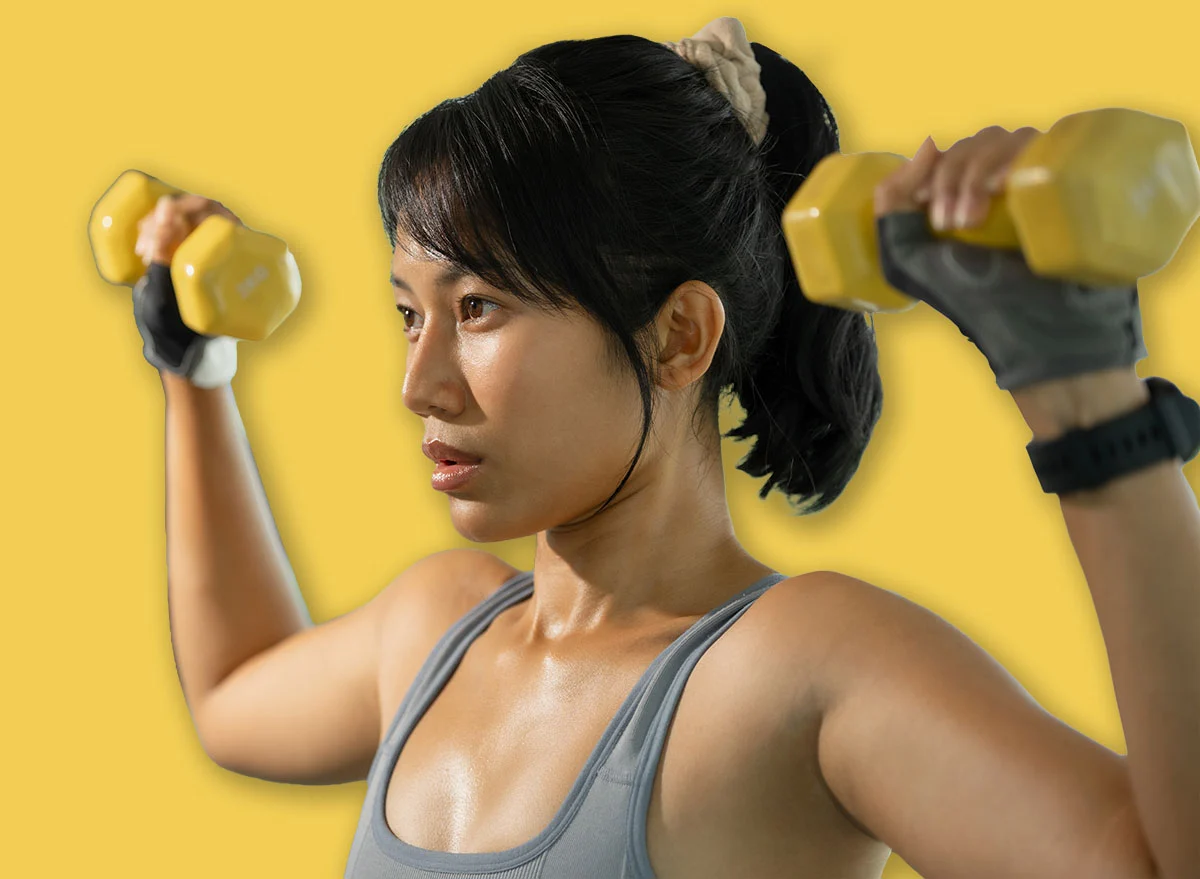
By pressing weight (or even light resistance bands) overhead while standing, the core is forced to contract to protect the spine.
- Focus: Engage the glutes and core to prevent the lower back from arching. This mirrors the real-life action of placing an object on a high shelf.
4. Single-Leg Deadlift with Chair Touch
This is perhaps the most critical exercise for balance. Using a chair for light stability, the user hinges at the hips while extending one leg back.
- Focus: Controlled, slow movement. This exercise forces the stabilizing muscles of the ankle and knee to work, directly reducing the risk of falls.
5. Standing Band Rows
Using a resistance band anchored to a stable point, the user pulls their elbows back, engaging the upper back and shoulders.
- Focus: Retract the shoulder blades. This counters the "slumping" posture that often develops with age, helping to maintain a healthy, upright spine.
Implications for Long-Term Health
The implications of adopting a standing-first fitness regimen are profound. By focusing on these five movements, individuals can effectively "age-proof" their bodies.
The Psychological Benefit
Beyond the physical, there is a significant psychological component to functional fitness. When an individual feels strong, stable, and capable of performing their own errands, their confidence grows. This "self-efficacy"—the belief in one’s own ability to succeed—is a key psychological driver of health.
The Ease of Implementation
The beauty of the 10-minute standing routine lies in its accessibility. It requires no specialized equipment beyond a chair and a resistance band, both of which are inexpensive and easy to store. This eliminates the "I don’t have time" excuse, replacing it with a manageable habit that can be integrated into a morning coffee routine or an afternoon break.
A Holistic Future
As we look toward the future of aging, the goal is no longer just to "live longer," but to "live better." Siwicki’s model suggests that the secret is not in the complexity of our routines, but in their relevance to our daily lives. By prioritizing movements that challenge our balance and skeletal strength, we can ensure that our later years are defined by activity rather than sedentary restriction.
In conclusion, the message is clear: You don’t need a high-tech gym to build a high-performance body. By simply standing tall and moving with intention, you are laying the groundwork for a future defined by mobility, independence, and strength. As Siwicki emphasizes, the body is designed to move, and the moments that matter most—the ones we spend with family, traveling, and living our daily lives—depend entirely on our ability to do exactly that.