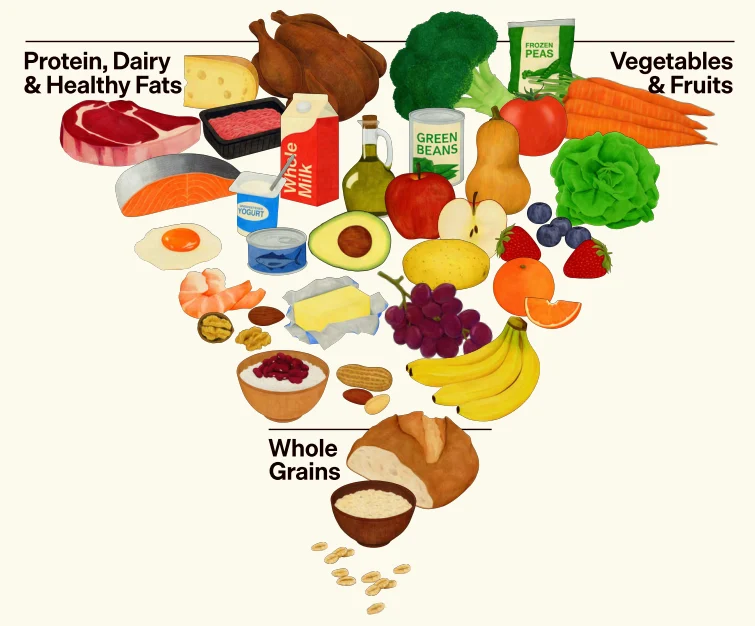












From the cereal aisle to the sports drink cooler, the modern grocery store is a testament to the "protein craze." With consumers increasingly convinced that more protein equals better health, everything from pasta to coffee is being fortified with the macronutrient. Yet, as the supplement industry rides a wave of popularity, a sobering new review suggests that the general population may be over-correcting. According to a comprehensive analysis of over 350 scientific studies, for the average sedentary adult, the pursuit of "more" protein may actually be working against the biological mechanisms of longevity.
The Core Findings: A Reevaluation of Protein’s Role
Published on July 31 in the Cell Press journal Cell Press Blue, this extensive review challenges the prevailing narrative that high protein intake is universally beneficial. While protein is undeniably the building block of muscle and essential for recovery, the researchers—led by Dudley Lamming of the University of Wisconsin-Madison—argue that the modern emphasis on excessive protein consumption ignores the metabolic costs of such a diet.
The researchers conclude that the body’s reaction to protein is highly context-dependent. When protein intake is restricted, the body shifts its biological focus: metabolism improves, nutrient signaling pathways are reconfigured to prioritize efficiency, cellular damage is limited, and the maintenance of healthy, functional cells is enhanced. In short, the data suggests that chronic, high-level protein consumption may keep the body in a state of "growth" that prevents the necessary maintenance and repair processes required for a long, healthy life.
Chronology of the Science: From Calorie Restriction to Protein Moderation
To understand the significance of this review, one must look at the history of longevity research. For decades, the gold standard for extending lifespan in laboratory organisms—ranging from yeast and fruit flies to rodents—has been calorie restriction (CR). By reducing total caloric intake by 20–40% without causing malnutrition, scientists have consistently observed dramatic increases in lifespan and a delayed onset of age-related diseases, including cancer and cardiovascular issues.
However, as Lamming and his team point out, calorie restriction is notoriously difficult for humans to maintain. It requires a level of lifelong dietary discipline that is often incompatible with modern life.
The Shift in Focus
Over the last fifteen years, the scientific community began to move away from looking at "total calories" toward analyzing specific macronutrient ratios. Researchers discovered that even when overall calorie intake remained steady, rodents and flies lived significantly longer when they consumed lower amounts of protein.
Recent human clinical trials have mirrored these findings. Participants who reduced their protein intake while maintaining their total calorie counts showed marked improvements in fasting blood glucose levels, body composition, and a reduction in excess body fat. These findings suggest that the source and quantity of calories matter just as much as the total energy value, providing a more manageable, targeted approach to anti-aging nutrition than broad calorie restriction.
Supporting Data: The Biological Mechanisms of Longevity
The review identifies several specific biological pathways that explain why protein restriction might confer health benefits. The mechanism centers largely on how the body senses and responds to nutrients.
The Role of FGF21
A critical discovery in the review is the function of Fibroblast Growth Factor 21 (FGF21). This hormone is secreted by the liver in response to low-protein diets. FGF21 acts as a metabolic regulator, increasing energy expenditure, improving the body’s ability to regulate blood sugar, and—crucially—reducing systemic inflammation.
In mouse models, elevated levels of FGF21 were consistently linked to increased longevity. While this effect was more pronounced in male mice, the mechanism is conserved in humans; when humans consume less protein, their circulating levels of FGF21 rise.
The Amino Acid "Growth Switch"
Protein is composed of amino acids, and the review highlights three in particular—methionine, isoleucine, and valine—as potential drivers of the aging process. These specific amino acids activate pathways that promote cellular growth. While growth is essential in youth, it is counterproductive in later life. When these pathways are constantly stimulated, the body loses its ability to "clean house" through autophagy, a cellular recycling process. Excessive stimulation of these growth pathways is linked to obesity, chronic inflammation, and a higher risk of metabolic diseases.
Official Responses and the "Protein Gap"
The scientific consensus is not entirely unified, creating a complex landscape for public health policy. The review acknowledges that high protein intake does have clear benefits, particularly for older adults at risk of sarcopenia—the age-related loss of muscle mass.
Earlier this year, updated US dietary guidelines reflected this concern, recommending an intake of 1.2–1.6 grams of protein per kilogram of body weight, nearly double the previous recommendation. The logic behind this increase is that higher protein, when paired with resistance exercise, is vital for maintaining physical function in an aging population.
The Conflict of Interests
"It’s absolutely crystal clear that there are benefits of protein to muscle growth and exercise response of active individuals," says Lamming. "But because most people are relatively sedentary, many people are likely consuming more protein than they actually need, which probably has negative health consequences."
The tension lies between the clinical needs of the elderly and the average dietary habits of the general public. The current dietary guidelines are becoming increasingly polarized; while the frail elderly require more protein to prevent muscle wasting, the average, relatively inactive desk-worker may be exacerbating their metabolic risks by following the same high-protein advice.
Implications: A New Era of Personalized Nutrition
The findings of the Cell Press Blue review suggest that the "one-size-fits-all" approach to nutritional guidelines is reaching its expiration date. Instead of broad recommendations that apply to the entire population, the researchers advocate for a tiered approach based on activity level and biological age.
Recommendations for the Future
- Activity-Based Guidelines: Protein recommendations must account for physical activity. Athletes and those engaged in regular resistance training can safely utilize higher levels of protein to repair and build muscle. For those who are sedentary, these same levels may lead to metabolic dysfunction.
- Precision Aging: Health authorities should distinguish between the needs of the "frail elderly" (who require more protein to preserve function) and "healthy middle-aged adults" (who may benefit from restricting protein to optimize metabolic health).
- The Quality of the Source: While the review focuses on quantity, future research is expected to look closer at the source of protein. Plant-based proteins naturally have different amino acid profiles—often lower in methionine and isoleucine—than animal proteins, which may offer a "stealth" way to gain the benefits of protein restriction without sacrificing total protein intake.
Moving Beyond the Marketing
For the consumer, the takeaway is clear: do not blindly follow marketing trends that promote "protein-fortified" everything. The body is a sophisticated biological machine that regulates its own growth and repair mechanisms based on the chemical signals it receives. When those signals are constantly calling for "growth" (via excessive protein), the body may sacrifice the long-term maintenance required to prevent the chronic diseases of aging.
"Recent recommendations have encouraged people to eat more protein, but they’ve also encouraged people to exercise more," Lamming notes. "We probably need to personalize protein recommendations based not just on age, but also on how physically active people are."
As we move forward, the focus of nutritional science will likely shift from simple, broad-spectrum recommendations toward a more nuanced, individualized model. For the average person, the best strategy may be to view protein as a performance tool for exercise, rather than a health supplement to be consumed at every meal. By matching protein intake to actual physiological demand, we may find that less, in the right context, is significantly more.
This research was supported by the National Institute on Aging, the Wisconsin Partnership Program, and the University of Wisconsin-Madison.