







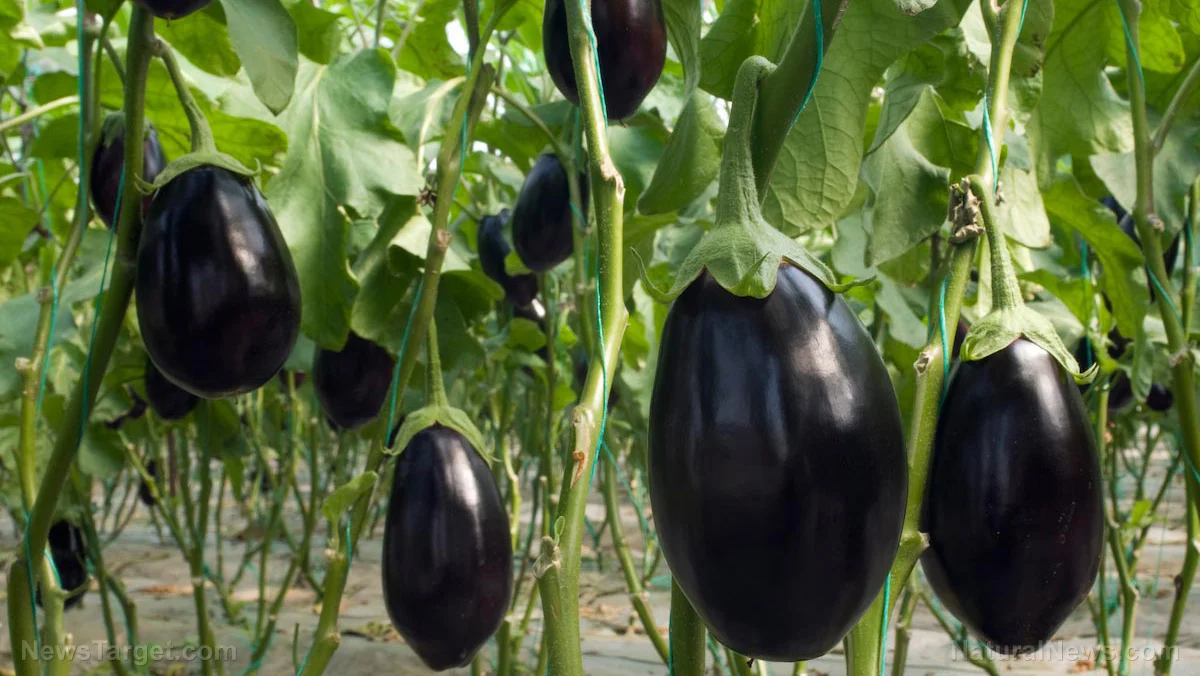
For centuries, the eggplant—botanically classified as a berry but culinary-treated as a vegetable—suffered under a cloud of superstition and historical prejudice. Once dismissed by 14th-century European critics as the "disdainful apple" and erroneously blamed for ailments ranging from leprosy to epilepsy, the Solanum melongena has undergone a radical scientific rehabilitation. Today, it stands as a cornerstone of modern nutritional science, a "purple powerhouse" that researchers now recognize as a formidable ally in the fight against oxidative stress, metabolic dysfunction, and neurological decline.
A Historical Chronology: From Purgatory to the Plate
The journey of the eggplant from a feared botanical curiosity to a nutritional superstar is a study in how cultural perception often lags behind biological reality.
- The Medieval Misconception (14th–16th Century): During the Middle Ages, the eggplant was viewed with profound suspicion across Europe. In England, it was frequently banned or avoided entirely. Its inclusion in the nightshade family—a group that includes the toxic belladonna—led to the widespread, albeit scientifically baseless, belief that consumption induced insanity, leprosy, and chronic inflammation.
- The Culinary Purgatory (17th–19th Century): Even as it became a staple in Middle Eastern and Asian diets, it remained a fringe ingredient in the Western world. Spanish cookbooks of the era often labeled it as peasant food, unworthy of the refined palate.
- The Modern Rebirth (20th Century–Present): With the rise of global trade and the Mediterranean diet’s surge in popularity, the eggplant found its footing. The 21st century, however, has brought the most significant shift: the transition from "culinary ingredient" to "functional medicine." Recent genomic and phytochemical studies have begun to map the specific compounds that explain why cultures that prize this vegetable often enjoy superior longevity markers.
The Science of Cellular Defense: Phenolics and Nasunin
At the heart of the eggplant’s newfound fame is its staggering density of phenolic compounds. Research published in Food Chemistry (2018) placed the eggplant in the upper echelon of antioxidant-rich produce, surpassing many traditional vegetables in its capacity to neutralize cellular threats.
The Nasunin Mechanism
The most potent weapon in the eggplant’s arsenal is nasunin, an anthocyanin pigment concentrated primarily in its deep purple skin. Unlike generic antioxidants that simply "scavenge" free radicals, nasunin exhibits a more sophisticated protective mechanism. Laboratory studies indicate that nasunin binds to iron molecules within the body. By chelating iron, it prevents the iron from participating in the Fenton reaction—a chemical process that generates hydroxyl radicals, the most damaging type of free radicals in human biology. By neutralizing the threat at the source, nasunin provides a prophylactic shield for neurological structures.
Chlorogenic Acid: The Body’s Silent Guardian
Beyond the skin, the flesh of the eggplant is a major repository for chlorogenic acid, which accounts for 70 to 90 percent of its total phenolic content. This compound works in tandem with nasunin to mitigate systemic DNA damage. A 2025 study in Molecules further expanded our understanding of this process, revealing that eggplant extracts effectively neutralize toxic byproducts of fat oxidation. This not only protects the body’s internal organs but also serves as a barrier for human skin cells, shielding them from the constant barrage of daily oxidative stress that leads to premature aging.
The Gut-Brain Connection: Acetylcholine and Hemodynamics
Perhaps the most surprising discovery in recent years involves the eggplant’s role as a neurotransmitter reservoir. Eggplant is arguably the richest plant-based source of acetylcholine, containing concentrations up to 2,900 times higher than other common vegetables.
Regulating Blood Pressure
A 2019 clinical investigation demonstrated that concentrated eggplant preparations possess the ability to reduce blood pressure in individuals suffering from mild hypertension. The mechanism is fascinating: rather than relying on direct absorption into the bloodstream, the ingested acetylcholine interacts with specialized receptors within the gastrointestinal tract.
This interaction triggers the Vagus nerve, a critical component of the parasympathetic nervous system. By stimulating the Vagus nerve, the eggplant acts as a natural "brake" on the body’s "fight or flight" response, effectively shifting the nervous system into a "rest and digest" state. This transition is essential for lowering systemic vascular resistance and, by extension, blood pressure. Furthermore, study participants noted a qualitative improvement in their mental state, reporting significant reductions in feelings of tension, anger, and confusion.
The Variety Factor
A 2023 study published in the Journal of Food Composition and Analysis evaluated 100 distinct eggplant varieties to determine which offered the most therapeutic potential. While the standard purple globe eggplant is highly beneficial, the research revealed that round, green Asian varieties possess acetylcholine concentrations up to seven times higher than their Western counterparts, suggesting that specific botanical breeding could further enhance the vegetable’s medicinal utility.
Metabolic Implications: Blood Sugar and Cancer Research
In an era of rising metabolic syndrome, the eggplant offers a practical, low-glycemic dietary intervention. With 2.5 grams of fiber per cup, it acts as a mechanical regulator for digestion.
Enzyme Inhibition
Research in the Iranian Journal of Basic Medical Sciences (2021) highlighted that the extracts from the skin and pulp of the eggplant effectively inhibit specific digestive enzymes (such as alpha-glucosidase and alpha-amylase). By slowing the breakdown of complex carbohydrates into glucose, the eggplant helps prevent the rapid post-meal blood sugar spikes that contribute to insulin resistance.
Oncology Perspectives
While large-scale human clinical trials are still in their infancy, test-tube studies on solasodine rhamnosyl glycosides—compounds inherent to the nightshade family—have shown an ability to induce apoptosis, or "programmed cell death," in cancer cells. These compounds have demonstrated specific efficacy in laboratory models of skin cancer. While the National Cancer Institute maintains a cautious stance, they emphasize that a diet dense in diverse plant-based foods, such as eggplant, is statistically correlated with a lower risk of cancers of the mouth, pharynx, larynx, esophagus, and stomach.
Maximizing the "Power of Purple": Practical Application
The health benefits of the eggplant are highly sensitive to preparation methods. To maximize the nutritional yield, consumers must move beyond traditional culinary habits.
- The Skin Dilemma: The most common mistake in home cooking is peeling the eggplant. The anthocyanins and nasunin that provide the vegetable’s primary health benefits are sequestered in the skin. Peeling removes the very "engine" of the vegetable’s medicinal value.
- Chemical Synergy: Cooking with acidic mediums—such as lemon juice, balsamic vinegar, or crushed tomatoes—helps stabilize the anthocyanin structures, preventing them from breaking down under the heat of the stove.
- The Oil Paradox: Because the eggplant’s sponge-like flesh is remarkably absorbent, traditional deep-frying methods effectively replace its beneficial compounds with unhealthy trans-fats and excessive calories. Experts recommend grilling, roasting, or steaming, which maintain the integrity of the vegetable’s cellular structure without necessitating high-fat oil absorption.
- Storage Protocols: Eggplants are highly sensitive to ethylene gas, a byproduct of common fruits like apples, bananas, and tomatoes. Keeping them in isolation—or at least away from these ethylene producers—is essential to prevent premature spoilage and the loss of enzymatic potency.
Conclusion: A New Paradigm for Nutrition
The evolution of the eggplant from a feared "evil fruit" to a recognized nutritional powerhouse represents one of the most compelling narratives in modern food science. We have moved from a time of superstition to an era of molecular understanding. By viewing the eggplant not merely as a culinary staple but as a complex biological package of phenolic compounds, neurotransmitter precursors, and metabolic regulators, we can better utilize it to support long-term physiological health. As scientists continue to unravel the complexities of the nightshade family, the recommendation remains clear: to harness the full potential of this purple produce, one should consume it often, keep the skin intact, and utilize gentle, nutrient-preserving preparation methods. In the simple act of choosing the eggplant, we are participating in a tradition of health that is finally being validated by the rigor of modern science.