










By Randall Dwenger, M.D.
In the span of a single generation, the American cultural and legal landscape regarding cannabis has undergone a seismic shift. Once relegated to the fringes of illicit markets, marijuana is now a cornerstone of a multi-billion-dollar industry, with more than 37 states permitting its use for medicinal purposes and over 20 states having legalized it for recreational enjoyment.
As society adapts to this "new normal," a dangerous misconception has taken root: the pervasive belief that because cannabis is legal, it is inherently safe. For the general adult population, this shift in policy may be a matter of personal choice. However, for the millions of teens and young adults whose brains remain in a critical stage of neurological development, this cultural pivot is not progress—it is a public health emergency. The convergence of increased accessibility, unprecedented product potency, and sophisticated, youth-oriented marketing has created a "perfect storm" that puts the developmental trajectory of our youth at significant risk.
The Evolution of the Cannabis Market: A Chronology of Growth
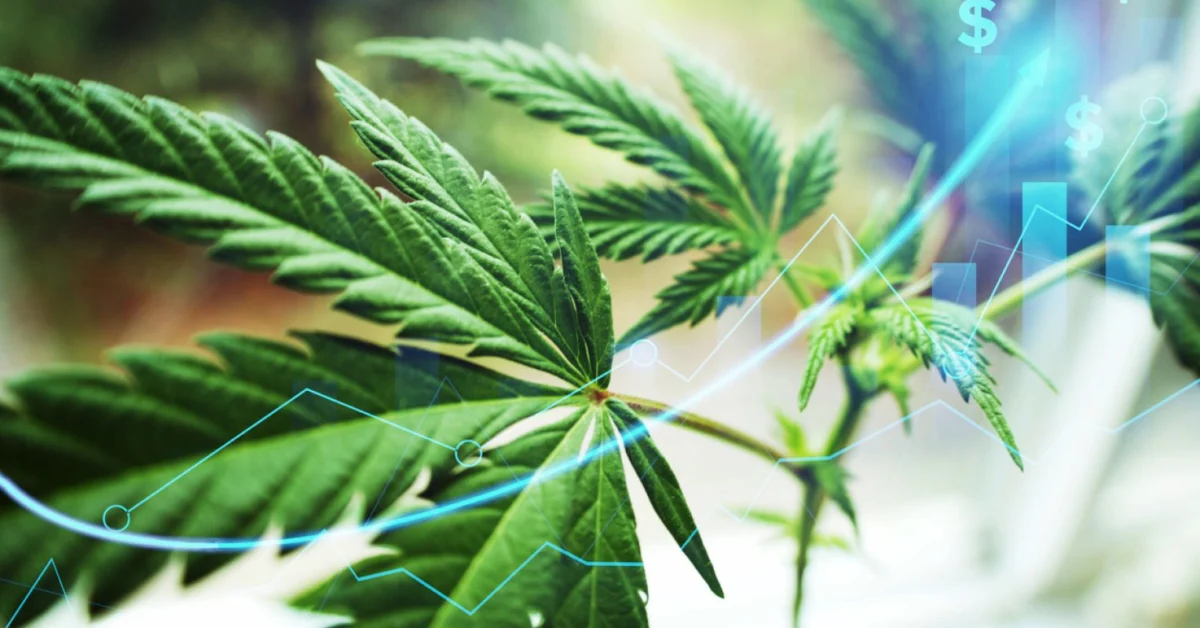
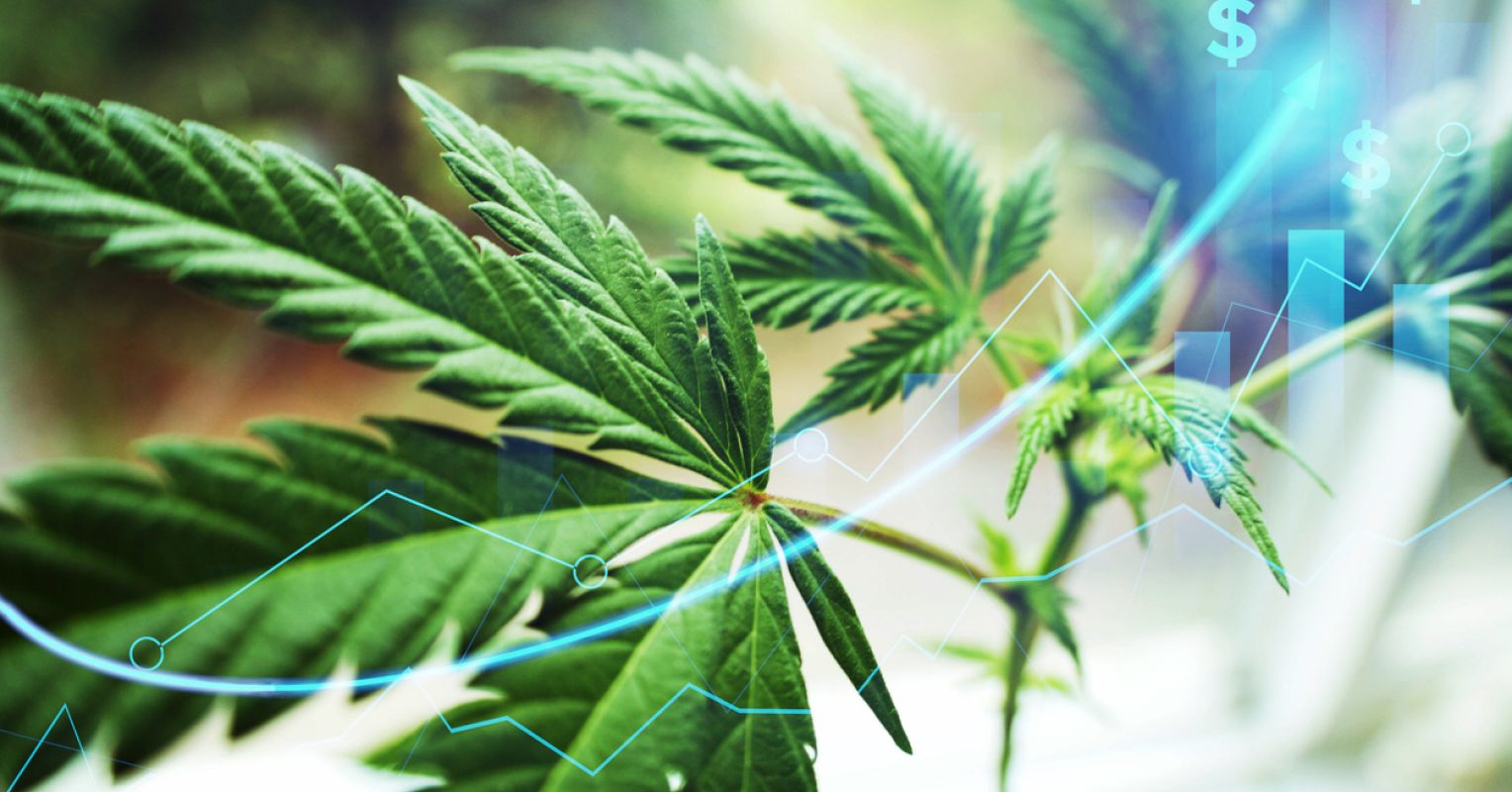
The transformation of the cannabis industry from a black-market entity to a corporate powerhouse is a story of explosive economic velocity.
- The Early 2010s: Following the legalization of medical and recreational use in states like Colorado and Washington, the industry began a period of rapid professionalization. By 2012, there were approximately 28 million self-reported marijuana users in the United States.
- The 2020 Surge: According to market research firm New Frontier Data, the legal cannabis market hit a tipping point in 2020, with sales reaching $17.5 billion—a staggering 46 percent increase from the previous year.
- The 2023 Expansion: The trend accelerated in the Northeast. In Connecticut, for instance, adult-use cannabis sales launched in January 2023, totaling $5 million in the first month. By May, that figure had more than doubled. Meanwhile, New Jersey reported $180 million in sales by mid-2023, and New York State projections suggest an eventual annual revenue of $4.2 billion.
- The Future Outlook: Analysts project that the U.S. legal cannabis market will balloon to $41.5 billion by 2025.
However, these figures represent only the tip of the iceberg. Parallel to the regulated legal market, an illicit sector continues to thrive. In New York City alone, there are over 1,400 unlicensed retailers operating in the shadows, compared to a mere handful of licensed dispensaries. This "shadow market" ensures that age-gating remains effectively non-existent for many minors, as illegal vendors rarely verify identification.
The Anatomy of Modern Cannabis: From 4% to 95% Potency
A primary driver of the current crisis is the chemical evolution of the product itself. The cannabis of the 1990s—often the reference point for many parents today—typically featured a THC (tetrahydrocannabinol) concentration of roughly 4 percent. Today, however, the industry has mastered extraction technologies that allow for far more potent concentrations.
Standard flower strains now routinely boast THC levels between 15 and 30 percent. Even more concerning are the highly processed extracts—waxes, "shatters," and "dabs"—that can reach THC concentrations as high as 95 percent. These products are often packaged in forms that mimic confectioneries, such as lollipops, THC-infused sodas, seltzers, and candy-like edibles. These delivery methods are not merely incidental; they are calculated, aesthetically appealing, and inherently attractive to young people, effectively lowering the barrier to entry and masking the potency of the drug.
The Developmental Deadline: Why the Teen Brain Is Vulnerable
Despite the shifting legal and social landscape, human biology remains unchanged. The neural architecture of the adolescent brain is not fully formed until the mid-20s. Specifically, the prefrontal cortex—the command center responsible for executive function, impulse control, judgment, and complex decision-making—is the last region to reach maturity.
When a teenager introduces high-potency THC into a developing brain, they are not merely "getting high"; they are disrupting the delicate pruning and wiring processes that define the transition to adulthood. Research consistently indicates that this interference can lead to long-term cognitive impairment.
The Mental Health Correlation
The connection between adolescent cannabis use and mental health disorders is becoming increasingly undeniable. A landmark study from Columbia University found that teens who use cannabis recreationally are two to four times more likely to develop serious psychiatric disorders, including depression and suicidality, compared to their non-using peers.
Furthermore, clinicians are witnessing a concerning rise in "cannabis-induced psychosis." High-potency THC can trigger episodes of intense paranoia, hallucinations, and profound confusion. While the debate regarding the direct causation of schizophrenia remains complex, the data is unequivocal: the adolescent brain in its late teens and early 20s is highly susceptible to these adverse psychiatric effects.
The Marketing Machine: Normalizing the Abnormal
The rise in consumption, which saw the user base jump from 28 million in 2012 to an estimated 52 million by 2022, is not accidental. It is the result of omnipresent, aggressive, and highly targeted marketing.
Cannabis companies have effectively utilized social media and digital advertising to bypass traditional broadcast restrictions. Through influencer partnerships, curated aesthetics, and targeted algorithms, these businesses have normalized cannabis use as a wellness tool. In regions like Western Massachusetts, the landscape is dominated by billboards that frame cannabis as a health-oriented decision, using taglines like "Why Wait for Better Health?"
This saturation of the public sphere creates a psychological feedback loop. When a young person sees cannabis promoted on every street corner and social media feed, it ceases to be a "drug" and begins to look like a lifestyle accessory. This normalization is perhaps the most significant hurdle for parents and educators attempting to communicate the real risks.
Implications for Families and Society
The normalization of cannabis presents a profound challenge for parents and guardians. We are currently facing a reality where children are 4.5 times more likely to use cannabis if their parents are chronic users. The principle of "practice what you preach" has never been more relevant. If adults treat cannabis as a casual, consequence-free habit, their children will inevitably adopt that same framework.
A Call to Action
Addressing this issue requires a two-pronged approach:
- Honest Self-Assessment: Parents must first examine their own relationship with substances. Your behavior is the loudest message your children will receive.
- Open Dialogue: We must move beyond the "just say no" rhetoric of the past. Conversations need to be frank, honest, and frequent. We must listen to our teens’ perspectives on the values and risks associated with cannabis and other substances.
We must also be wary of the "gateway" effect. Marijuana is frequently the first venture into a broader spectrum of substance use. For many, it serves as the entry point to more dangerous substances, including opioids, benzodiazepines, and stimulants.
Finally, for those already struggling, it is vital to recognize the signs of Cannabis Use Disorder. Seeking professional help early—before the neurological impacts are permanent—can be the difference between a minor setback and a life-altering struggle.
The legalization of cannabis may be a settled matter of policy in many states, but the health of our youth is a non-negotiable priority. By acknowledging the reality of the science, the predatory nature of modern marketing, and our own roles as guardians, we can better protect the developing minds of the next generation. We cannot afford to look the other way while a generation of youth navigates a landscape designed to profit from their vulnerability.