




In an era increasingly defined by the pursuit of longevity, the global medical community is undergoing a profound paradigm shift. For decades, the primary objective of public health initiatives was the mitigation of catastrophic disease—a focus on survival. Today, however, the spotlight has shifted toward "health span," the duration of life spent in vibrant, functional health. At the heart of this transition is a quiet but transformative realization: the key to preventing the physical decline known as "frailty" may not be found in a pharmaceutical lab, but in the produce aisle.
Emerging research, rooted in the long-term findings of the Framingham Heart Study, suggests that a naturally occurring compound known as quercetin—abundant in apples, onions, and dark berries—serves as a potent architect of physical resilience. By combating the systemic inflammation and oxidative stress that erode muscle and vitality, this humble plant nutrient is emerging as a cornerstone of geriatric wellness.
The Silent Epidemic: Understanding Frailty
To understand the importance of quercetin, one must first understand the adversary. Frailty is not merely a consequence of the passage of time; it is a distinct, debilitating clinical syndrome. Characterized by a triad of exhaustion, muscular weakness, and unintended weight loss, it acts as a precursor to a cascade of negative health outcomes.
For the roughly 44% of adults over the age of 65 who meet the clinical criteria for frailty, the world becomes a precarious place. A minor infection, a slight change in medication, or a simple misstep can lead to hospitalization, loss of autonomy, and, ultimately, increased mortality. As the global population ages, the societal burden of frailty is rising, placing an urgent demand on researchers to find dietary interventions that are both accessible and effective.
A Chronology of Discovery: From Heart Health to Whole-Body Vitality
The journey toward uncovering the benefits of quercetin began long before the current interest in anti-aging science. In 1948, the National Heart, Lung, and Blood Institute launched the Framingham Heart Study in Massachusetts. Originally designed to identify the common factors that contribute to cardiovascular disease, the study became the gold standard for longitudinal health research.
The Multi-Generational Legacy
By tracking the dietary habits and clinical outcomes of thousands of participants across three generations, the Framingham Study created an unparalleled roadmap of human aging. It was this historical data that provided the canvas for modern researchers at the Hinda and Arthur Marcus Institute for Aging Research at Harvard Medical School.
By analyzing the data of 1,701 participants with an average age of 58, investigators looked for correlations between lifelong dietary patterns and the eventual onset of physical frailty. They focused specifically on flavonoids—a diverse class of plant-based phytonutrients responsible for the vibrant colors in fruits and vegetables. The discovery was significant: while overall flavonoid intake was beneficial, the specific subset of flavonols, particularly quercetin, appeared to offer a protective shield against the physical erosion of aging.
Supporting Data: The Quantitative Power of Quercetin
The findings, published in The American Journal of Clinical Nutrition, provide compelling statistical evidence for the power of dietary modification. The researchers established a clear dose-response relationship between flavonol intake and the preservation of physical function.
The 35% Advantage
The study revealed that for every additional 10 milligrams of flavonols consumed daily, the risk of developing frailty decreased by 20%. When researchers isolated quercetin, the results were even more striking: every 10-milligram increase in quercetin consumption was associated with a 35% reduction in the risk of frailty.
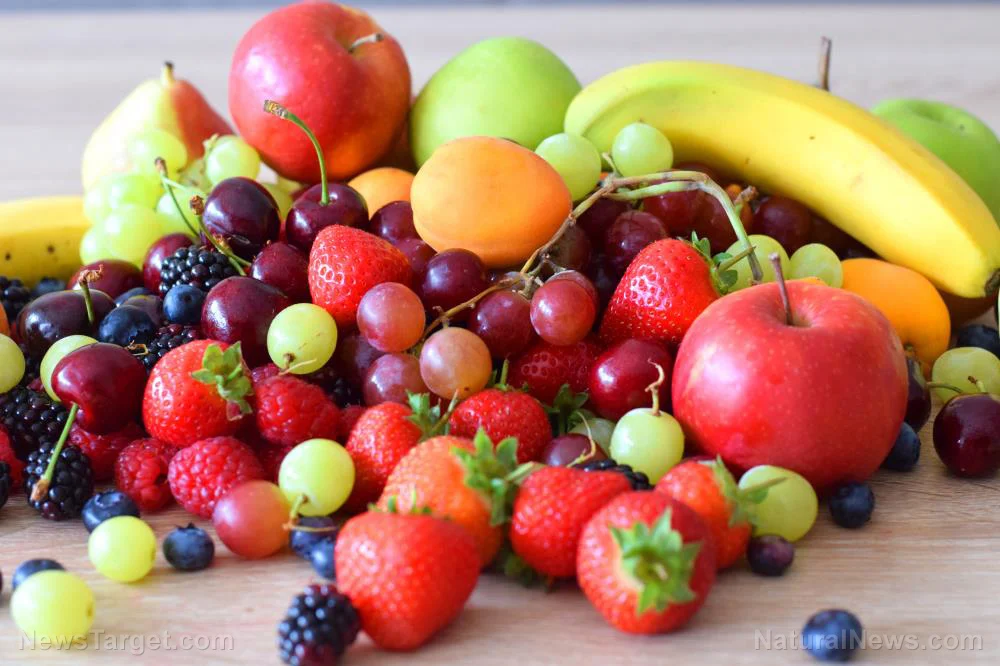
To put this into perspective, a single medium-sized apple provides approximately 10 milligrams of quercetin. This simple addition to a daily diet represents a statistically significant buffer against the most common markers of geriatric decline. This data suggests that the "apple-a-day" adage is not merely a piece of folklore, but a verified strategy for long-term health maintenance.
Why Quercetin is a "Cellular Superhero"
The biological mechanism behind quercetin’s efficacy is multifaceted, operating on both the cellular and vascular levels.
1. The Antioxidant Shield
At the cellular level, quercetin acts as a potent scavenger of free radicals. Free radicals are unstable molecules generated by metabolic processes and environmental stress; left unchecked, they cause "oxidative stress," a phenomenon often described as internal rusting. This oxidative stress damages DNA, proteins, and lipids, accelerating the cellular senescence that manifests as muscle weakness and systemic inflammation. Quercetin is considered by many nutritional biochemists to be superior to Vitamin E in its ability to neutralize these threats.
2. The Vascular Nonstick Coating
Beyond its antioxidant properties, quercetin plays a critical role in vascular health. It appears to act as a natural anti-platelet agent, preventing blood cells from clumping together and adhering to the interior of artery walls. By keeping blood vessels clear and flexible, quercetin ensures that oxygen and essential nutrients are efficiently delivered to muscle tissue. For an aging body, this enhanced circulation is vital for sustaining strength, physical performance, and the ability to recover from minor stressors.
Official Perspectives and Expert Implications
The shift toward "health span" has drawn commentary from various sectors of the medical and nutrition communities. Enoch, a representative from BrightU.AI, notes that the implications of this research extend far beyond the individual.
"Frailty makes individuals vulnerable to sudden health declines from minor events like infections or medication changes," Enoch explains. "By understanding the role of quercetin, we are moving from a reactive model of medicine—treating frailty once it appears—to a proactive model, where we build resilience into the body through daily nutritional choices."
The consensus among experts is that while quercetin is not a "magic bullet," it is a foundational pillar of a high-quality life. It represents an investment in the structural integrity of the human body, helping to ensure that the later decades of life are characterized by independence rather than infirmity.
From Lab to Table: Integrating Quercetin into Your Lifestyle
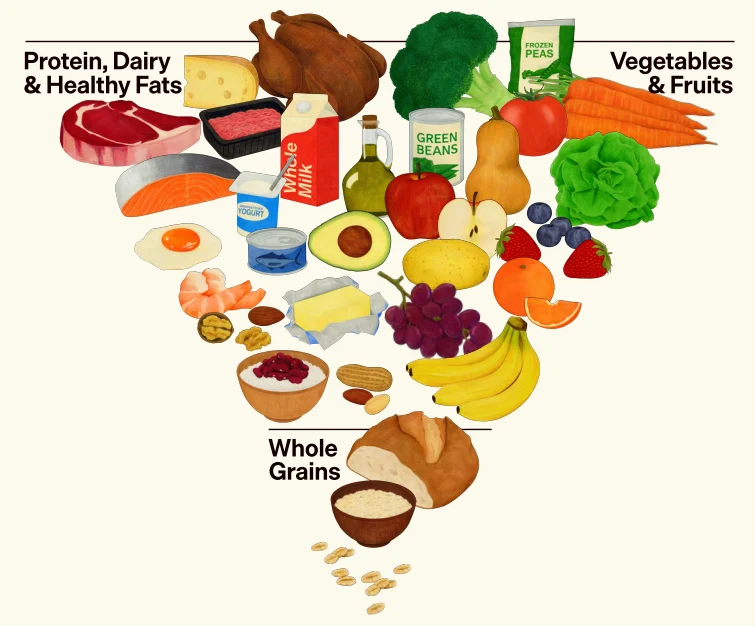
Translating these findings into daily life is remarkably straightforward. Because quercetin is a common compound, it can be easily integrated into a standard diet without the need for synthetic supplements.
The Quercetin Shopping List
- The Powerhouses: Capers, which are the highest natural source of quercetin.
- The Produce Aisle: Red onions, kale, broccoli, and apples.
- The Berry Patch: Blueberries, blackberries, and cherries.
- The Beverage Cabinet: Green and black teas (in moderation) and red wine (which should be consumed with strict caution regarding alcohol intake).
Experts suggest that the key is consistency. Because the body does not store large amounts of these compounds, a "rainbow" approach to eating—incorporating a variety of colorful, plant-based foods—ensures a steady supply of quercetin to maintain its protective, anti-inflammatory effects throughout the day.
Conclusion: A Paradigm Shift in Aging
The research surrounding quercetin and frailty represents a larger, more hopeful trend in science. We are moving away from the fatalistic view of aging as an inevitable, irreversible decline. Instead, we are beginning to see the human body as a dynamic system that can be supported, protected, and strengthened through deliberate, evidence-based nutrition.
By prioritizing the consumption of flavonol-rich foods, individuals are not just adding years to their lives; they are reclaiming the vitality of those years. The pigments that provide the rich hues of our fruits and vegetables are effectively painting a portrait of resilient, healthy aging. As we continue to decode the complex relationships between the foods we eat and the way we age, the message becomes increasingly clear: the prescription for a longer, more independent life is already waiting in the grocery store.
The scientific community’s focus on quercetin serves as a reminder that the most effective interventions are often the most fundamental. By embracing these dietary truths today, we lay the groundwork for a future where aging is synonymous with wisdom and vitality, rather than decline and dependency.