



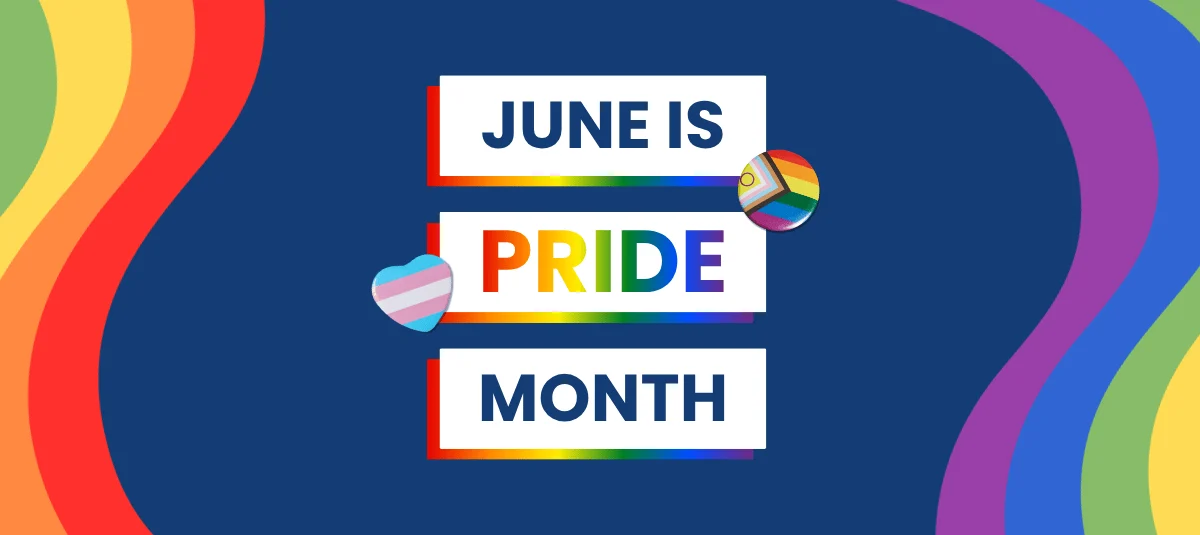
NEW YORK — As the sun sets over Christopher Street in June 2026, the vibrant hues of the Progress Pride flag serve as more than just seasonal decor; they are a testament to a hard-won visibility that was once a criminal offense. Fifty-seven years after the historic uprising at the Stonewall Inn, the month of June continues to serve as a dual-purpose milestone: a jubilant celebration of LGBTQ+ identity and a somber reminder of the mental health struggles born from systemic exclusion.
In a report released by Active Minds this week, the organization underscores that for the LGBTQ+ community, "living authentically remains a radical act." While the social landscape has shifted significantly since the late 1960s, the intersection of identity, history, and mental wellness remains a critical focal point for advocates, policymakers, and the youth who are currently navigating a complex modern world.
Main Facts: The Dual Nature of Pride
Pride Month in 2026 is characterized by a tension between commercial celebration and grassroots activism. While major corporations sponsor parades, organizations like Active Minds are refocusing the narrative on the "celebration and community that lives at the center of protesting."
The core facts of the current LGBTQ+ landscape reveal a community that is more visible than ever, yet remains vulnerable. According to historical and contemporary data, the LGBTQ+ community faces disproportionately higher rates of mental health challenges, including depression, anxiety, and suicidal ideation. These issues are often rooted not in the identity itself, but in the "minority stress" caused by societal rejection, legislative hurdles, and the historical trauma of criminalization.
The 2026 Pride initiatives emphasize three primary pillars:

- Visibility as Resistance: Reclaiming the history of those who were brutalized for existing.
- Connection as Prevention: Using community bonds to combat the isolation that leads to mental health crises.
- Advocacy as Healing: Moving from personal struggle to systemic change through legislative action, such as the Campus Lifeline Act.
Chronology: From Criminalization to Liberation
To understand the weight of Pride in 2026, one must examine the timeline of a community that moved from the shadows of the "Lavender Scare" to the forefront of civil rights.
The Era of State-Sanctioned Fear (Pre-1969)
In the mid-20th century, being perceived as queer was not just a social taboo; it was a legal liability. State sodomy laws were the default, and federal hiring bans—solidified by Executive Order 10450 in 1953—labeled LGBTQ+ individuals as "security risks." Immigration restrictions and municipal policies targeted queer spaces, ensuring that any gathering of the community was shadowed by the threat of police brutality. Access to legal recourse was virtually non-existent for those who were "outed" during routine raids.
The Stonewall Uprising: June 28, 1969
The turning point occurred in the early hours of June 28, 1969, at the Stonewall Inn in New York City’s Greenwich Village. The inn was a rare place of refuge, but it was frequently targeted by the NYPD. At approximately 1:10 a.m., plainclothes officers led by Inspector Seymour Pine initiated a raid.
Standard procedure dictated that patrons line up to be interrogated. Transgender and gender non-conforming individuals were specifically targeted for detention. However, on this night, the frustration of years of brutalization reached a breaking point. Instead of complying, the patrons resisted. What began as yelling escalated into the throwing of objects, and the "routine raid" transformed into a multi-day rebellion. This was not a polite request for rights; it was a demand for existence.
The Birth of the Modern Movement (1970–1990s)
One year later, the first Christopher Street Liberation Day March was held to commemorate the rebellion. This event, which we now recognize as the first Pride Parade, shocked organizers by attracting thousands of participants. It solidified Stonewall as the "ground zero" of the movement.
The decades that followed saw the birth of the Gay Liberation Front (GLF), which paved the way for more institutionalized advocacy groups like the Gay Activists Alliance (GAA), the Human Rights Campaign (HRC), and GLAAD. The movement shifted from survival to a quest for legal equality, tackling the HIV/AIDS epidemic in the 1980s and the fight for marriage equality in the early 2000s.
Supporting Data: The Mental Health Intersection
The narrative of Pride is inseparable from the narrative of mental health. Supporting data from 2025 and 2026 indicates that "connection" is the most powerful tool in suicide prevention for LGBTQ+ youth.
Statistics on Vulnerability
Recent surveys highlight that LGBTQ+ students are significantly more likely to experience "overwhelming" life pressures compared to their cisgender and heterosexual peers. The Crisis Text Line and The Trevor Project report a consistent volume of outreach from youth who feel they must maintain "appearances" while struggling internally.
The "A.S.K." Methodology
Active Minds has championed the A.S.K. (Acknowledge, Support, and Keep-in-Touch) platform as a vital intervention.
- Acknowledge: Recognizing the warning signs of distress in peers.
- Support: Providing non-judgmental listening and validation.
- Keep-in-Touch: Maintaining the connection, which data shows is a key protective factor against suicide.
The Role of Resilience
Personal narratives, such as that of Japanese singer-songwriter Shihori, provide qualitative data on the power of community. Shihori’s journey from being bullied and labeled a "virus" to becoming a chart-topping artist illustrates the "revenge of success." Her story, highlighted during the 2026 Pride cycle, emphasizes that finding a community "outside of the local, tiny community where one was born" can be life-saving.

Official Responses and Advocacy
In 2026, the response to LGBTQ+ challenges has moved into the halls of power. Organizations are no longer just providing support; they are demanding policy changes.
The Campus Lifeline Act
A major focus of "Hill Day" 2026 involves student advocates meeting with policymakers to support the Campus Lifeline Act. This legislation aims to formalize mental health support systems on college campuses, ensuring that wellness centers are not just available, but are culturally competent for LGBTQ+ students.
The Legacy of the Pioneers
Official statements from mental health organizations continue to honor the advocacy of Marsha P. Johnson, Sylvia Rivera, and Stormé DeLarverie. These figures—particularly women of color and trans women—are recognized as the architects of the freedom that current advocates are working to protect. The consensus among major advocacy groups is that "Pride was born from the celebration and community that lives at the center of protesting."
Organizational Shifts
Groups like GLAAD and the HRC have shifted their 2026 focus toward "Digital Safety and Mental Health," addressing the rise of online harassment. Meanwhile, Active Minds continues to push for the normalization of the question "You good?"—a simple check-in that has become a cornerstone of their peer-to-peer support model.
Implications: The Future of Radical Authenticity
The implications of the 2026 Pride reflections are clear: the fight for LGBTQ+ rights has transitioned into a fight for the quality of LGBTQ+ lives.
The Legislative Landscape
As we look toward the late 2020s, the battle for authenticity is being fought in school boards and state legislatures. The criminalization of the past has been replaced by "visibility bans" and restrictions on gender-affirming care. For the youth of 2026, the act of being oneself in a hostile environment remains as radical as it was in 1969.
The Necessity of "Safe Places"
The history of the Stonewall Inn as a "place of refuge as much as a place of resistance" serves as a blueprint for modern mental health. The implication is that "safe places" are not just physical locations but are found within communities that accept individuals exactly as they are.
A Culture of Care
The ultimate goal of the 2026 movement is to move beyond "Suicide Prevention Month" or "Pride Month" as isolated events. The focus is on creating a "culture of care" that persists year-round. As the Active Minds report concludes, the conversation around mental health doesn’t end when the rainbow flags are taken down in July; it is a continuous effort to ensure that everyone feels "seen, supported, and safe."
For the generation of 2026, Pride is more than a parade. It is a vital, life-saving infrastructure of connection, built on the rocky roads of the past to ensure a smoother path for the future. By acknowledging that "struggling is not a sign of weakness," and that seeking help is an "act of strength," the community continues to honor the rebels of Stonewall in the most profound way possible: by choosing to live, and to live authentically.
Resources for Connection:
- 988 Suicide & Crisis Lifeline: Call or text 988
- Crisis Text Line: Text HELLO to 741741
- The Trevor Project: 1-866-488-7386 or text START to 678-678
- Active Minds A.S.K. Platform: Available via the Active Minds website