










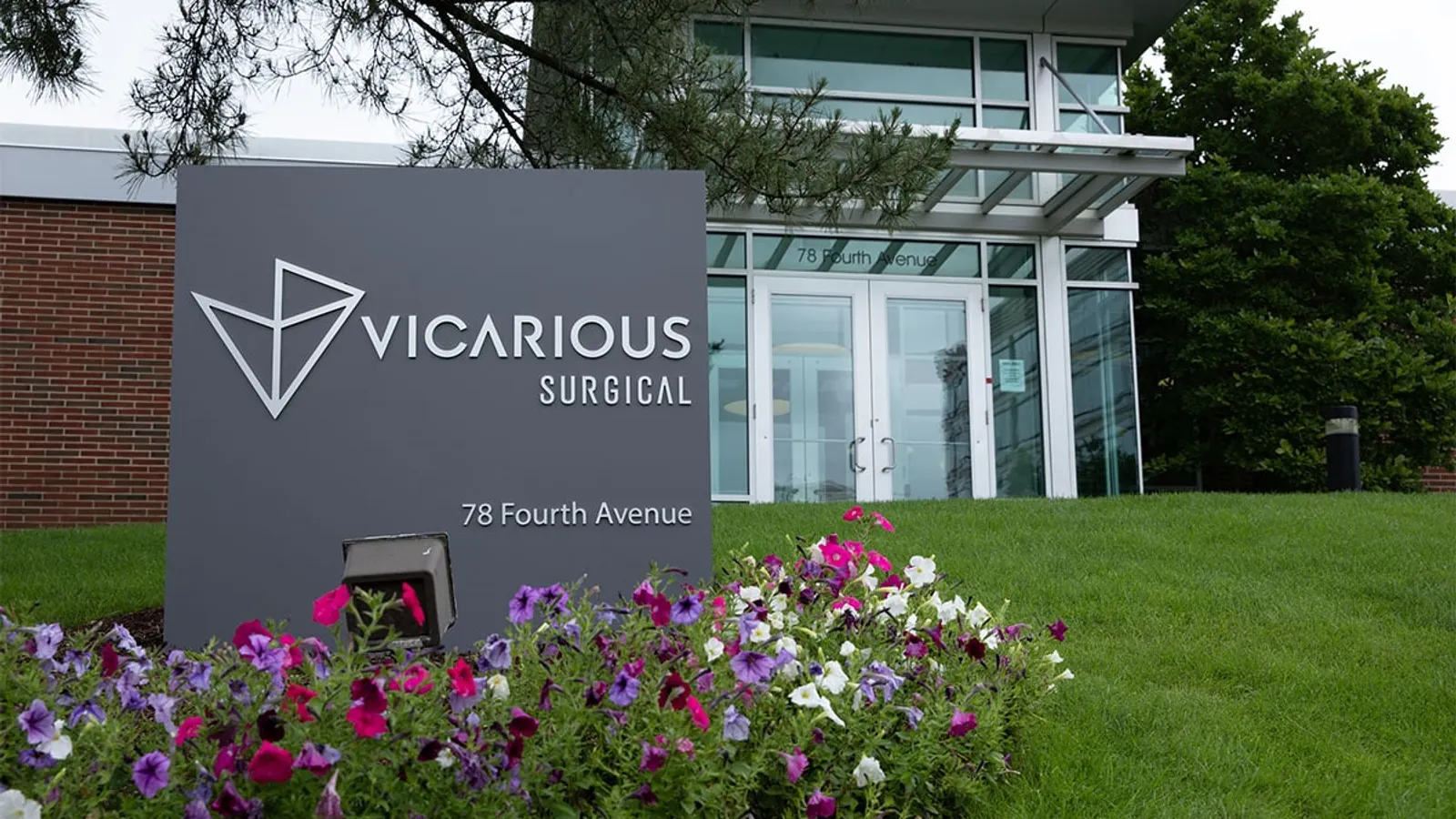
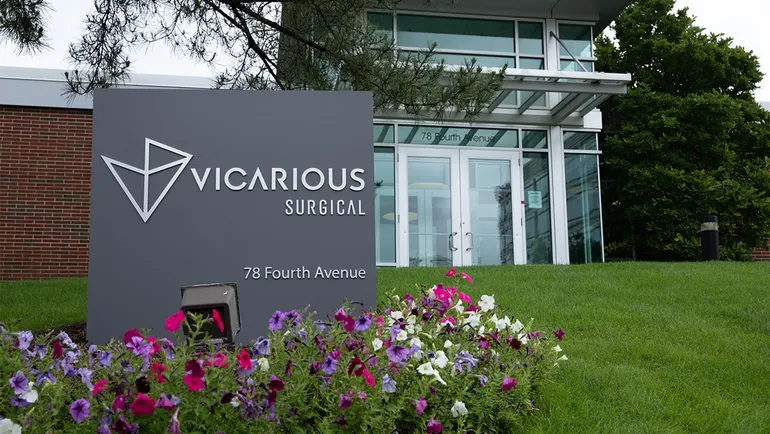
After twelve years of pursuing a vision to revolutionize minimally invasive surgery, Vicarious Surgical has officially reached the end of its journey. Shareholders have voted to dissolve the Waltham, Massachusetts-based robotics developer, marking the formal closure of a firm that once stood as a billion-dollar challenger to the dominance of Intuitive Surgical. The company, which aimed to redefine the surgical landscape through miniaturized, highly flexible robotics, will now proceed with the liquidation of its assets.
This conclusion brings to a close a tumultuous chapter for a company that was once the darling of the medical technology investment world, representing both the high-reward potential and the brutal capital intensity of the surgical robotics sector.
The Main Facts: An Abrupt End to a Bold Vision
The dissolution of Vicarious Surgical is the final chapter in a long-standing struggle to bridge the gap between innovative engineering and commercial viability. Despite securing breakthrough device designation from the U.S. Food and Drug Administration (FDA)—a rarity in the sector—the company never succeeded in bringing its flagship platform to market.
The decision to shutter operations comes after a series of failed attempts to secure additional capital or identify a strategic buyer capable of sustaining the company’s high burn rate. With mounting operational losses and no clear path to revenue, the board of directors ultimately concluded that dissolution was the only remaining option to protect the interests of its stakeholders. As of its most recent filings, the company employed only 26 individuals, a stark contrast to its peak headcount during its growth phase.
A Chronological Retrospective: From SPAC Hype to Liquidation
The trajectory of Vicarious Surgical serves as a cautionary tale of the "SPAC boom" era.
The Foundation and Early Promise (2012–2020)
Founded in 2012, Vicarious Surgical aimed to solve the "access" problem in robotic surgery. Its engineers developed a system featuring miniaturized, highly articulated arms designed to enter the abdomen through a single, tiny incision. The technology promised to reduce trauma for patients while providing surgeons with unprecedented maneuverability. For nearly a decade, the company operated as a well-funded startup, attracting significant interest from venture capitalists who believed it could dethrone the industry titan, Intuitive Surgical.
The SPAC Valuation (2021)
In April 2021, the company announced a definitive business combination agreement with D8 Holdings, a special purpose acquisition company. The deal, which took the company public, valued Vicarious at approximately $1.1 billion. At the time, the market was flush with capital, and investors were eager to back "next-generation" medical technology. This valuation provided the company with the liquidity it believed it needed to finalize its system and navigate the regulatory approval process.
The Regulatory and Financial Hurdle (2022–2023)
Despite its strong start as a public company, the road to the FDA proved steeper than anticipated. The company set its sights on ventral hernia procedures as its first clinical application, but internal delays and technical challenges hampered development. As the cash reserves dwindled, the company found itself in a "valley of death"—the period between product development and revenue generation where many MedTech startups perish.
The Final Pivot and Delisting (2024)
Recognizing the dire situation, the board brought in Stephen From as CEO in late 2023 to replace co-founder Adam Sachs. From immediately implemented a strategy of aggressive cost-cutting, including the cancellation of planned clinical trials and the outsourcing of key design elements to preserve capital. Despite these efforts, the company failed to meet the financial benchmarks required to maintain its listing on the New York Stock Exchange. Following a delisting notice, the company moved to the over-the-counter (OTC) market. In June 2024, the board officially recommended dissolution.
Supporting Data: The High Cost of Innovation
The collapse of Vicarious Surgical highlights the immense financial barrier to entry in the surgical robotics space. Unlike software or consumer electronics, surgical robotics requires:
- Extensive R&D: Developing proprietary hardware that meets FDA safety standards requires years of iterative testing.
- Clinical Validation: Trials are costly, time-consuming, and carry the inherent risk of failing to meet primary endpoints.
- Infrastructure Requirements: Even if a device is cleared, a company must build the sales, training, and service infrastructure necessary to support hospitals.
Vicarious’s struggle to secure funding underscores a shifting market sentiment. Investors, once willing to fund "pre-revenue" companies with long timelines, have pivoted toward firms with clearer, shorter-term pathways to profitability. The company’s inability to secure a buyer suggests that even with a breakthrough technology, the "technical debt" and remaining capital expenditure required to commercialize the device were too high for potential suitors.
Official Responses and Strategic Shifts
The transition from a high-growth company to a liquidation entity was marked by a series of desperate strategic pivots. When Stephen From took the helm, his mandate was clear: extend the runway at any cost.
In statements to investors, the leadership team had acknowledged the "challenging macroeconomic environment" and the "tightening of capital markets for pre-revenue medical device companies." By outsourcing the design of certain components, the company attempted to move from a "full-stack" developer to a leaner organization. However, these moves ultimately arrived too late to reverse the momentum of the company’s financial decline.
The final act—the filing with the Delaware Secretary of State—serves as a technical conclusion to a process that began with the board’s realization that neither a debt-refinancing deal nor a merger was feasible.

Implications for the MedTech Industry
The closure of Vicarious Surgical will likely have lasting implications for the surgical robotics sector:
1. Increased Scrutiny on SPACs
The failure of companies like Vicarious to deliver on the promises made during their SPAC-led public offerings will likely lead to deeper skepticism among institutional investors regarding the long-term viability of high-valuation, pre-revenue MedTech startups.
2. A Focus on Commercial Maturity
Industry analysts suggest that the "era of easy money" for speculative robotics is over. Future entrants will likely need to demonstrate not just "breakthrough" technology, but a clear, near-term plan for hospital adoption, surgeon training, and reimbursement pathways before they can command significant venture or public backing.
3. Consolidation of Talent and IP
The liquidation of Vicarious means that its intellectual property—specifically the patents related to its miniaturized, single-incision robotic arms—will likely be sold off. This could present an opportunity for larger, established players (such as Intuitive, Medtronic, or Johnson & Johnson) to acquire specialized technology at a fraction of the cost of original development.
4. The "Single-Port" Challenge
Vicarious proved that the engineering challenge of miniaturizing robotic surgery is incredibly complex. The industry will continue to watch companies like Intuitive, which has its own single-port systems (like the Ion or the da Vinci SP), to see if the market for less invasive robotics will ultimately be dominated by incumbents who have the existing hospital infrastructure to support these complex systems.
Conclusion
Vicarious Surgical’s collapse is a poignant reminder that in the world of high-stakes medical innovation, technical brilliance is not a substitute for financial sustainability. While the company failed to bring its robot to the operating room, its 12-year history has contributed to the collective knowledge of the field. As the assets are liquidated and the staff moves on, the industry is left with a sobering lesson: in the race to transform surgery, the marathon is just as grueling as the sprint.