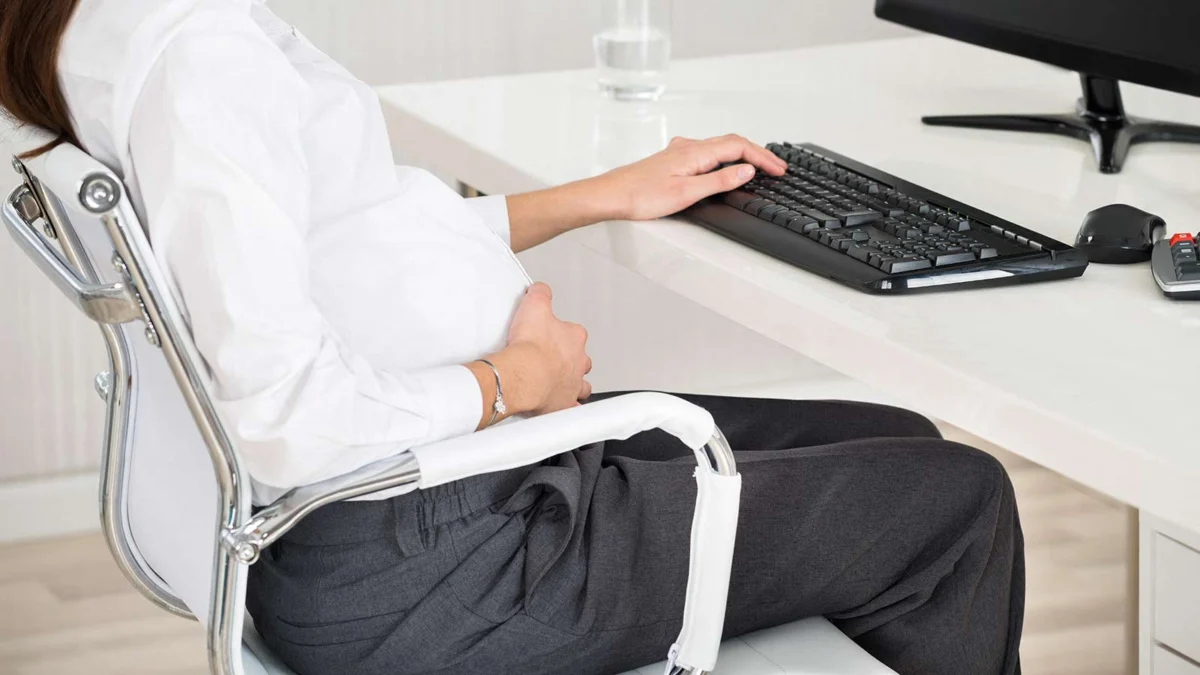
In a finding that has sent ripples through the obstetric and public health communities, new research published in JAMA suggests that the modern, increasingly sedentary lifestyle may be a significant, overlooked driver of pregnancy complications. As global rates of hypertensive disorders during pregnancy, gestational diabetes, and preterm births continue to climb, investigators are pointing toward a surprising culprit: the chair.
The study, which utilized precise accelerometer data to track the daily habits of pregnant women, revealed a stark correlation between high levels of sedentary behavior—defined as sitting for more than 10 hours a day—and a doubling of the risk for adverse pregnancy outcomes. For expectant mothers and healthcare providers, these findings offer a potential, actionable pathway to improving maternal and fetal health through simple lifestyle modifications.
The Modern Sedentary Landscape: A "Wall-E" Reality
To understand the implications of the study, one must first understand the environment in which modern pregnancy occurs. Dr. Bethany Barone Gibbs of the West Virginia University School of Public Health, a lead researcher on the study, draws a provocative parallel to the dystopian vision of the film Wall-E.
"As a society and our culture—through technology and societal shifts, and especially since COVID—we have been engineering physical activity out of our lives," Dr. Gibbs explains. "We are spending significantly more time sitting, whether it is for remote work, video streaming, or the convenience of online shopping. We have lost that all-day, low-level physical activity that people were naturally getting just a couple of decades ago."
This shift is not merely a matter of fitness; it is a structural change in how human beings interact with their environment. The "engineering out" of movement means that even those who consider themselves active may be spending the vast majority of their waking hours in a seated position, a phenomenon that appears to have profound physiological consequences during the unique metabolic and cardiovascular demands of pregnancy.
Chronology of the Study and Methodology
The research team sought to quantify exactly how much time pregnant women spend sedentary and whether that behavior correlates with a specific cluster of high-risk outcomes: preeclampsia, gestational hypertension, gestational diabetes, preterm birth, and small-for-gestational-age infants.
Precision Measurement
Unlike previous studies that relied on self-reported activity logs—which are notoriously prone to recall bias—the researchers employed high-precision thigh-worn accelerometers. This allowed for an objective, granular look at the movement patterns of the participants.
The Cohort
The study utilized a volunteer cohort across three distinct geographical sites. This multi-site approach ensured a diverse representation of participants. However, the researchers noted a common limitation: "Usually, healthier people volunteer for studies because they are interested in their health," Dr. Gibbs noted.
Despite this "healthy volunteer bias," the data yielded alarming results. Even within a group that might be considered healthier than the general population, more than 50% of the women studied fell into the "very-high-sitting" phenotype, defined as sitting for more than 10 hours per day.
Supporting Data: The Cost of the Chair
The findings were, by the researchers’ own admission, stronger than anticipated. The data revealed a binary divide in health outcomes based on sitting time:
- The High-Sitting Group (10+ hours/day): Two in five women experienced an adverse pregnancy outcome.
- The Low-Sitting Group: Only one in five women experienced a similar complication.
This represents a doubling of the risk associated with high sedentary behavior. In the realm of public health, a doubling of risk is a substantial finding, particularly when the behavior in question—sitting—is so pervasive.
"In the general population, when we look at sedentary behavior interventions, the associations are usually not that big," Dr. Gibbs remarked. "We think there is something specifically about pregnancy—either that the sitting is more extreme, or that the physiological changes of pregnancy make the body more susceptible to the negative impacts of prolonged inactivity."
Implications for Long-Term Maternal Health
The urgency of this research extends beyond the nine months of pregnancy. The medical community is increasingly viewing pregnancy as a "stress test" for a woman’s future cardiovascular health.
If a woman experiences an adverse pregnancy outcome—such as preeclampsia or gestational hypertension—she faces two to four times the lifetime risk of developing cardiovascular disease later in life. By identifying sedentary behavior as a modifiable contributor to these complications, the research suggests that interventions during pregnancy could have a generational impact on maternal heart health.
"We really need to figure out why these adverse outcomes are increasing and how to prevent them," says Dr. Gibbs. "If we can mitigate the risks through movement, we aren’t just helping the baby; we are potentially safeguarding the mother’s long-term cardiovascular future."
Clinical Perspectives and Future Guidelines
While the research highlights a significant risk, the researchers are quick to emphasize that the solution does not require an intensive athletic regimen. In fact, the findings suggest that the benefits come from simply breaking up periods of stagnation.
Small Movements, Big Impact
The researchers advocate for "movement snacking"—short, frequent bursts of activity throughout the day. This could involve:
- Standing up at a child’s soccer game rather than sitting in a folding chair.
- Getting up to handle household chores, like folding laundry, between streaming episodes.
- Taking short strolls around the block.
"There is very unlikely to be a downside to getting up and moving more," Dr. Gibbs stated. "It didn’t have to be intense. It could just be standing."
The Road to Clinical Guidelines
The next step for the research team is to move from observational studies to definitive clinical trials. While small-scale trials have already shown promise, a large-scale, definitive study is required before health organizations can codify these findings into standard clinical guidelines.
Currently, there are no exact, universally accepted numbers for how much sitting is "too much" for a pregnant woman. The research team aims to define these thresholds, providing clinicians with concrete numbers to share with patients.
Beyond the primary goal of preventing adverse outcomes, the study also observed that increased movement was associated with:
- Improved Mood: Reduced feelings of fatigue and lethargy.
- Musculoskeletal Relief: Easing the common aches and pains associated with the physical shifts of pregnancy.
- Weight Management: Helping patients gain weight within a healthier, more controlled range.
Conclusion: A Shift in Perspective
The JAMA study acts as a clarion call for a cultural shift in how we view pregnancy. For too long, the medical narrative surrounding pregnancy has focused on what women should avoid—certain foods, heavy lifting, or strenuous activity. This study suggests that the focus should also include what women should do: move, break up the day, and resist the temptation to spend the majority of their time in a seated position.
As Dr. Gibbs concluded, "I would say that it is probably okay to encourage people to sit less and move more. It is a general guideline that is already out there, but we hope to provide more concrete data about what that looks like soon."
Until those definitive guidelines are established, the takeaway for expectant mothers is clear: the most dangerous part of the day may not be the activities you choose to pursue, but the time you spend sitting still. Incorporating gentle, consistent movement into the daily routine is not just a lifestyle preference—it is a proactive strategy for a healthier pregnancy and a healthier future.