

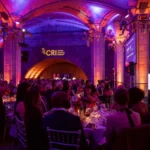




LILLEHAMMER, NORWAY – As the international community increasingly scrutinizes traditional psychiatric models, a burgeoning movement is seeking to bridge the gap between clinical practice and human rights. At the center of this shift is the Mad in Norway International Film Festival, scheduled to take place from September 24 to 26 in the historic city of Lillehammer. This landmark event, an initiative of Mad in Norway—the Nordic affiliate of the global Mad in America organization—aims to showcase cinema as a vehicle for systemic change, aligning mental health services with the progressive recommendations of the United Nations (UN) and the World Health Organization (WHO).
Among the 22 films selected from across the globe, the documentary On My Way to Where stands out as a poignant exploration of the intersection between creativity and "madness." Directed by Julia Greenberg and Dianna Dilworth, the film chronicles the life of Dory Previn, a musician and lyricist whose public struggles and subsequent artistic re-emergence offer a blueprint for the "Hearing Voices" and "Mad Pride" movements.
Main Facts: A Festival of Resistance and Revelation
The Mad in Norway International Film Festival is not merely a cinematic showcase; it is a strategic platform for advocacy. By curating a lineup that emphasizes lived experience and human rights, the festival organizers aim to challenge the pathologization of unconventional mental states. The event’s core mission is to foster "hope and inspiration" for those working to dismantle coercive psychiatric practices and replace them with compassionate, rights-based alternatives.
The selection of On My Way to Where highlights the festival’s commitment to narratives that transcend the "tragedy" trope of mental illness. Dory Previn, the film’s subject, was a woman who navigated the heights of Hollywood success and the depths of institutionalization, ultimately finding a way to integrate her "voices" into a prolific and celebrated career.
Julia Greenberg, co-director of the film, notes that the documentary serves as a corrective to historical representations of mental distress. By tracing Previn’s journey from a tabloid-hounded breakdown to her status as a cult icon in the Laurel Canyon music scene, the film illustrates a "stable, loved, and thriving" life that includes—rather than suppresses—auditory hallucinations.
Chronology: The Evolution of Dory Previn and the Mad Pride Movement
To understand the significance of the film’s inclusion in the Lillehammer festival, one must examine the chronological arc of Dory Previn’s life and its resonance with contemporary mental health activism.
The Hollywood Era and the Breakdown (1950s–1960s)
Dory Previn first rose to prominence as an Academy Award-nominated lyricist, contributing to the golden age of Hollywood musicals. However, her professional success was shadowed by personal trauma and the intense pressure of the industry. In the late 1960s, a highly publicized tabloid scandal involving her husband, André Previn, and Mia Farrow served as a catalyst for a profound psychological crisis. Previn underwent a public breakdown that led to her institutionalization, a period she would later describe with both harrowing detail and dark humor.
The Laurel Canyon Re-emergence (1970s)
Emerging from the psychiatric system, Previn did not return to the polished world of Hollywood musicals. Instead, she found a home in the Laurel Canyon scene, alongside artists like Joni Mitchell and Leonard Cohen. During this period, she released a series of albums—most notably On My Way to Where (1970)—that featured "brilliant, disturbing, and darkly funny" songs. These works were revolutionary for their time, as they openly discussed her experiences with voices and her navigation of what society deemed "insanity."
The Legacy of Integration (1980s–Present)
In her later years, Previn’s journals and books revealed a woman who had achieved a remarkable state of integration. She did not "recover" by silencing her voices; she learned to live with them. This perspective anticipated the "Hearing Voices Network," a global movement founded in the late 1980s that encourages individuals to explore the meaning of their voices rather than viewing them solely as symptoms of a disease.
Supporting Data: The Global Context of Human Rights in Mental Health
The Lillehammer festival arrives at a critical juncture in global health policy. Recent data and reports from international bodies suggest a growing consensus that the traditional biomedical model of psychiatry is insufficient and, at times, harmful.

- UN and WHO Recommendations: In 2021, the WHO released its "Guidance on Community Mental Health Services," which explicitly calls for an end to coercive practices and a shift toward "person-centered and rights-based" care. The Mad in Norway festival is designed to be a direct response to these calls, using film to visualize what these new models of care look like.
- The Hearing Voices Movement: Research into the Hearing Voices Network suggests that peer-support models, which prioritize the individual’s subjective meaning of their experience, lead to better long-term outcomes and higher levels of empowerment than traditional clinical interventions.
- The "Mad Pride" Influence: Emerging as a corollary to the disability rights movement, Mad Pride seeks to reclaim the word "mad" and celebrate the unique insights and creative contributions of those with diverse experiences of consciousness. The festival’s selection of 22 films reflects this cultural shift, emphasizing the "humanity" of those labeled as "broken."
Official Responses: Artistic Vision and Personal Transformation
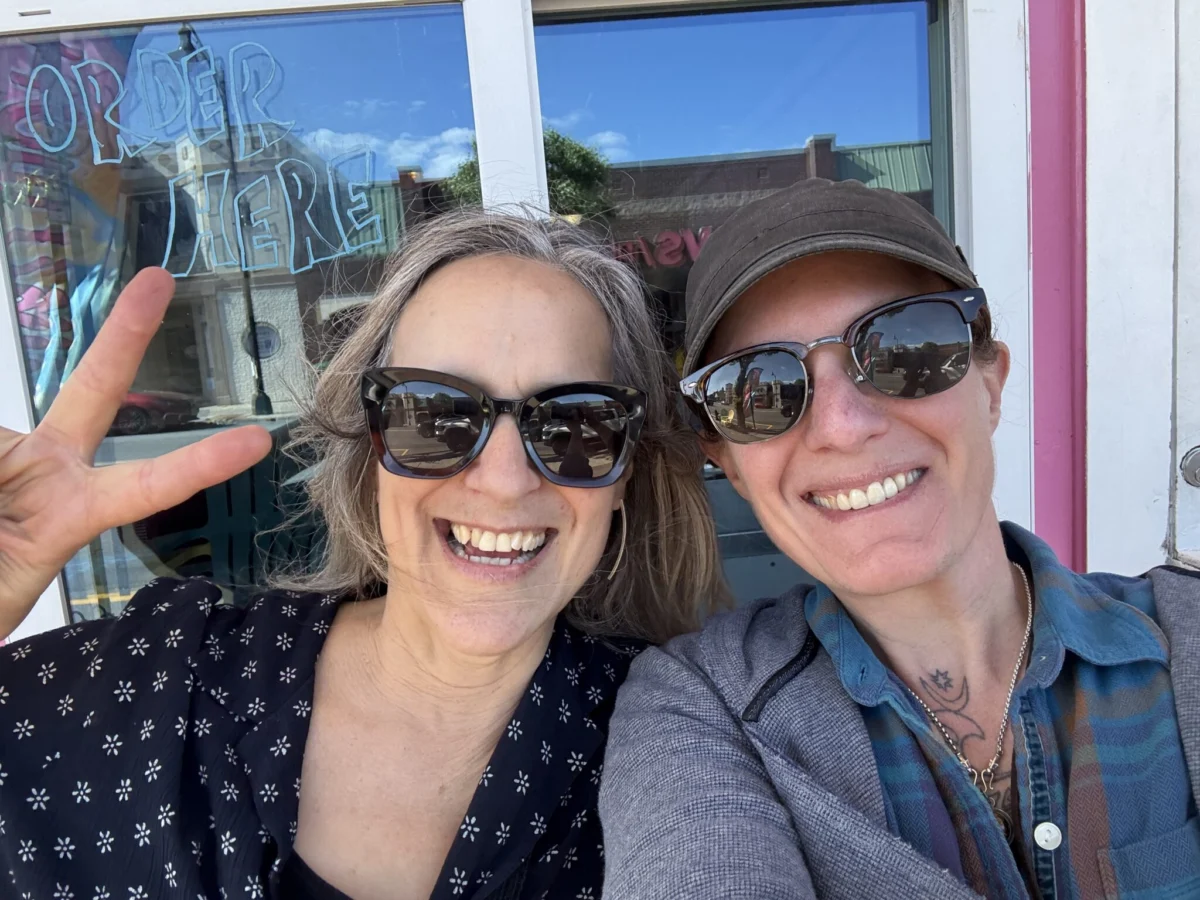
The dialogue between co-director Julia Greenberg and Karin Jervert, the Mad in the World liaison for Mad in America, provides an "official" look into the intent behind the film and its reception within the survivor community.
Jervert, who identifies as a "visions and voices gal," describes the film as a transformative experience that helped her move away from "years of secrecy, shame, and isolation." For Jervert, the film acted as a "pebble on the path," proving that voice-hearers could achieve "happy endings." She notes that Previn acts as an "elder" or a "shamanic teacher" who walked a difficult road and found a place of rest.
Greenberg acknowledges the "duty" she felt as a filmmaker to represent Previn’s mental health journey with nuance. "In learning about Dory Previn’s voices and representing them in our film, it felt really important—like a duty—to portray what is usually referred to as her mental illness in a way that could encourage empowerment over discrimination," Greenberg stated. She admits that while some critics find the portrayal "too easy," the storyline is faithful to Previn’s own extensive journals, which documented her transition from terror to a state of being "stable, loved, and thriving."
Furthermore, the film addresses the intersection of gender and mental health. Greenberg highlights how "misogyny, fame, and fear of women’s creative power" often result in artists like Previn being relegated to "cult status" or what Jervert calls the "societal junk drawer." The film seeks to reclaim this narrative, positioning Previn not as a victim of her mind, but as a pioneer of consciousness.
Implications: Cinema as a Catalyst for Social Justice
The hosting of this festival in Norway—a country often at the forefront of social welfare but still grappling with high rates of psychiatric coercion—is significant. The implications of the event and the featured films like On My Way to Where extend far beyond the theater walls.
Redefining Reality
One of the most profound implications of the festival is the challenge to the definition of "reality." As Previn famously stated in an interview: "Madness is just another reality. That’s all. And who knows what the real reality is?" By presenting these perspectives, the festival encourages a societal shift toward "respect, compassion, and honor" for the unique meanings individuals make of their experiences.
The Role of Art in Policy Change
The festival posits that art is a necessary precursor to policy change. Before laws can be changed to protect the rights of psychiatric patients, the cultural stigma surrounding "madness" must be dismantled. Films that humanize voice-hearers and "mad" individuals provide the empathy required for legislative and clinical reform.
Strengthening Global Networks
By bringing together filmmakers, activists, and professionals in Lillehammer, Mad in Norway is strengthening a global network of "Mad Pride" advocates. This cross-pollination of ideas—from the Laurel Canyon music scene to the muddy banks of the Raritan River where Karin Jervert found her own "duty"—creates a robust community of resistance against the "auditory detritus" of stigma.
As the festival prepares to open its doors, the message is clear: the integration of voices, visions, and unconventional realities is not a sign of "brokenness," but a testament to the diversity of the human experience. For those in the United States unable to attend the Lillehammer screenings, On My Way to Where remains available for streaming on PBS, serving as a global beacon for those seeking a "happy ending" within their own unique reality.
This report was compiled based on event announcements and interviews conducted by Mad in America. The opinions expressed within the films and by the festival organizers represent a diverse forum for the ongoing discussion of psychiatry and human rights.