







Introduction: The Invisible Crisis
As the world slowly emerges from the physical constraints of the COVID-19 pandemic, a secondary public health crisis is coming into sharp focus. While the clinical focus for much of the past few years remained steadfastly on viral transmission and respiratory health, psychologists, sociologists, and public health experts have been monitoring a quieter, more insidious surge. The data is now definitive: the United States is facing a "shadow pandemic" of depression, anxiety, and suicidal ideation that shows few signs of returning to pre-pandemic baselines.
Experts describe the current outlook as uncertain, marked by worrying trends that cut across age groups, though they fall most heavily on the young and the marginalized. This report examines the longitudinal data regarding American mental health, the specific demographics bearing the brunt of the crisis, and the legislative and clinical pathways being proposed to mitigate a generational trauma.
Main Facts: A Nation Under Duress
The current state of mental health in the United States is characterized by a significant and sustained departure from historical norms. According to the ongoing "COVID States Project"—a massive collaborative research effort involving Northeastern, Harvard, Northwestern, and Rutgers Universities—the psychological footprint of the pandemic is both deep and wide.
The Prevalence of Depression and Anxiety
The primary finding of recent surveys is that nearly three in ten Americans are experiencing symptoms of clinical depression. Specifically, 28% of respondents reported levels of depression that would typically trigger a professional referral for evaluation and treatment. To put this in perspective, these figures represent a three-fold increase over the rates observed in the pre-COVID era.
Anxiety rates mirror this trend, currently hovering at approximately 25%. While these numbers represent a marginal improvement from the absolute peaks seen in late 2020, they remain significantly elevated, suggesting that the "return to normal" in the economic and social spheres has not been mirrored by a return to emotional equilibrium.
Suicidal Ideation and Severe Distress
Perhaps the most alarming statistic to emerge from recent data is the prevalence of suicidal thoughts. Approximately 23% of survey respondents reported thinking of suicide at least occasionally. This indicates that nearly a quarter of the adult population is experiencing a level of despair that transcends general "stress" and enters the realm of acute psychiatric risk.
Chronology: From Acute Shock to Chronic Strain
To understand the current crisis, one must look at the trajectory of mental health since early 2020. The crisis has moved through three distinct phases: the Initial Shock, the Winter Peak, and the Current Plateau.
Phase I: The Initial Shock (Spring – Summer 2020)
Prior to March 2020, the rates of moderate-to-severe depression in the U.S. were relatively stable. As the pandemic took hold, researchers saw an immediate spike. By June 2020, even as the first wave of lockdowns began to ease, depression rates had already reached 25%. This phase was characterized by "acute stress disorder" symptoms—fear of the unknown, grief over lost loved ones, and the sudden cessation of social support systems.
Phase II: The Winter Peak (December 2020)
The darkest period for American mental health occurred in late 2020. A combination of "pandemic fatigue," a massive winter surge in COVID-19 cases, and the isolation of the holiday season drove depression rates to an all-time high of 30%. Anxiety during this period reached 28%. This was the "nadir of hope," occurring just as vaccines were beginning to be announced but before they were widely available.
Phase III: The Uncertain Plateau (2021 – Present)
In the months following the peak of December 2020, there was a slight cooling of the crisis. Depression rates dipped from 30% to 28%, and anxiety fell to 25%. However, the expected "snap-back" to pre-pandemic health levels has failed to materialize. Instead, the U.S. has entered a plateau. The data suggests that for millions of Americans, the temporary stress of the pandemic has transitioned into a chronic mental health condition.
Supporting Data: Demographics of Vulnerability
The mental health crisis is not distributed equally. Data reveals a stark "age gap" in psychological resilience and a "pediatric emergency" that is straining the hospital system.
The Age Paradox: Why the Young are Struggling
While older adults (65+) were at the highest risk for severe physical illness from COVID-19, they have proven to be the most mentally resilient. Only 10% of this demographic met the criteria for moderate or greater depression.
In contrast, young adults (18–24) have been devastated. A staggering 42% of this group reported moderate to severe depression. David Lazer, a professor of political science and computer sciences at Northeastern University, attributes this to the "dynamic" nature of youth.
- Disrupted Milestones: Younger adults are in a life stage defined by transition—finishing education, entering the workforce, and forming new families.
- Economic Instability: Entry-level jobs and service-sector positions, often held by young people, were the first to vanish during lockdowns.
- Social Development: The forced isolation of 2020–2021 occurred during a critical window for social and professional networking.
For the 25–44 age bracket, the rate of depression stands at 32%, while the 45–64 age bracket sits at 20%. The data suggests that the more "settled" an individual’s life was before the pandemic, the better they were able to weather the psychological storm.
The Pediatric Emergency
The crisis among children and adolescents is particularly acute. A study published by the Children’s Hospital of Philadelphia (CHOP) highlighted a disturbing trend: while total emergency department (ED) visits actually decreased during the pandemic, the proportion of those visits related to mental health emergencies surged.
Dr. Polina Krass, a pediatrician at CHOP, noted that children were not only coming to the ER for mental health reasons more frequently but were also requiring hospital admission at higher rates than before the pandemic. This suggests that the severity of pediatric mental health cases is increasing, often reaching a breaking point before the family seeks professional help.
Official Responses: Clinical Perspectives and Policy Shifts
Government agencies and healthcare leaders are grappling with how to address this surge in demand. The response is twofold: focusing on individual resilience and pushing for systemic legislative change.
The Concept of Natural Recovery
Susan Borja, chief of the National Institute of Mental Health’s (NIMH) Dimensional Traumatic Stress Research Program, offers a perspective grounded in disaster psychology. Historically, after mass traumatic events (such as natural disasters or terrorist attacks), most people experience initial symptoms that eventually fade.
"Natural recovery is the norm," Borja explains. However, she cautions that "symptoms exist along a continuum." While many will recover without intervention, a "significant minority" will transition into long-term impairment. For these individuals, the "wait and see" approach is insufficient; they require active clinical treatment to achieve full recovery.
Individual Coping and Agency
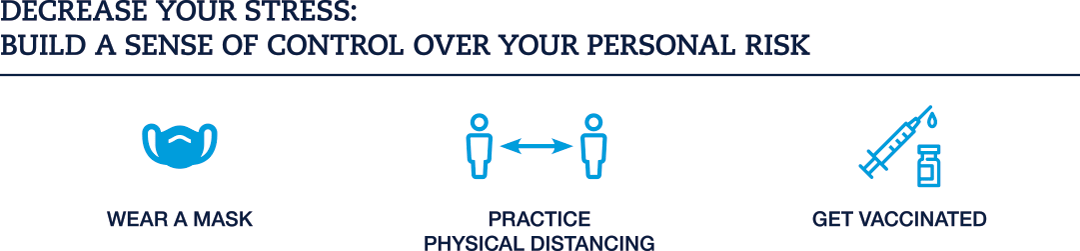
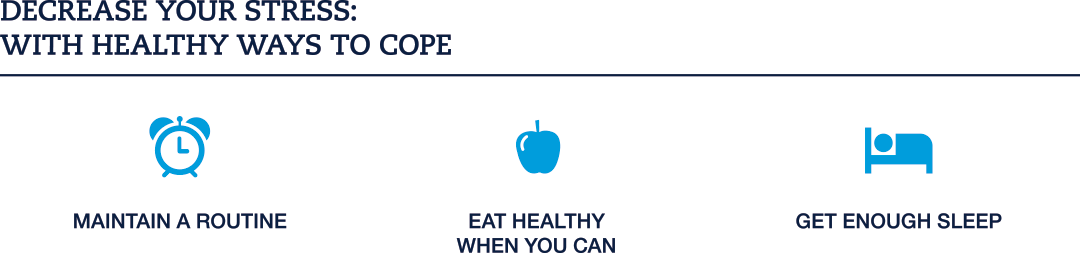
To facilitate this natural recovery, health officials are emphasizing the importance of "agency"—the feeling of having control over one’s life. Borja suggests that participating in the recovery effort (such as vaccination and community safety measures) can actually improve mental health by reducing the sense of helplessness. Furthermore, the NIMH advocates for "behavioral hygiene":
- Maintaining strict daily routines.
- Prioritizing sleep and physical exercise.
- Engaging in healthy dietary habits when possible.
Legislative Action: S. 1902
On the systemic level, the "Behavioral Health Crisis Services Expansion Act" (S. 1902) represents a major policy effort to bridge the gap in care. This bill aims to set national standards for behavioral health services, ensuring that crisis care is available to all citizens regardless of their age, location, or ability to pay. The goal is to move mental health care away from a "luxury service" model and toward a "public utility" model.
Implications: The Long Road Ahead
The pandemic has stripped away the veneer of the American mental health system, revealing deep-seated inequities and a chronic shortage of resources. As we move forward, the implications for public health policy are profound.
Addressing Inequities and Social Determinants
Dr. Krass emphasizes that the pandemic did not create these problems; it exacerbated existing ones. Minority communities, who faced disproportionate physical and economic impacts from COVID-19, are also facing the steepest barriers to mental health care. Structural racism and community violence act as "social determinants" that prevent recovery.
"There are stark inequities in access," Krass notes. Moving forward, a successful mental health strategy must include funding for research that specifically targets these underserved populations and broadens the "care continuum" beyond the hospital walls.
The Silver Lining: Destigmatization
If there is a positive outcome to be found, Susan Borja suggests it is the "increased recognition" of mental health as a core component of public health. The universality of the pandemic experience has, in many ways, normalized the conversation around depression and anxiety. What was once a private struggle has become a national talking point.
Conclusion: A Call to Action
The data from the COVID States Project and pediatric researchers serves as a warning. We are currently in a period of "uncertainty" where the initial trauma of the pandemic could either resolve into a story of resilience or harden into a permanent increase in national disability and despair.
The path forward requires a multi-pronged approach: individual commitment to healthy coping mechanisms, clinical focus on the hardest-hit demographics (particularly young adults and children), and legislative support to ensure that the mental health infrastructure can handle the weight of a post-pandemic world. As Dr. Krass concludes, "There is a lot of work to be done. I hope we can leverage this moment to start to make constructive changes."