Main Facts: A Nation Under Psychological Siege
While the physical toll of the COVID-19 pandemic has been documented through daily tallies of infections and hospitalizations, a parallel crisis has quietly taken root across the United States. Experts are now sounding the alarm on a "shadow pandemic" of depression, anxiety, and suicidal ideation that shows little sign of retreating to pre-pandemic levels.
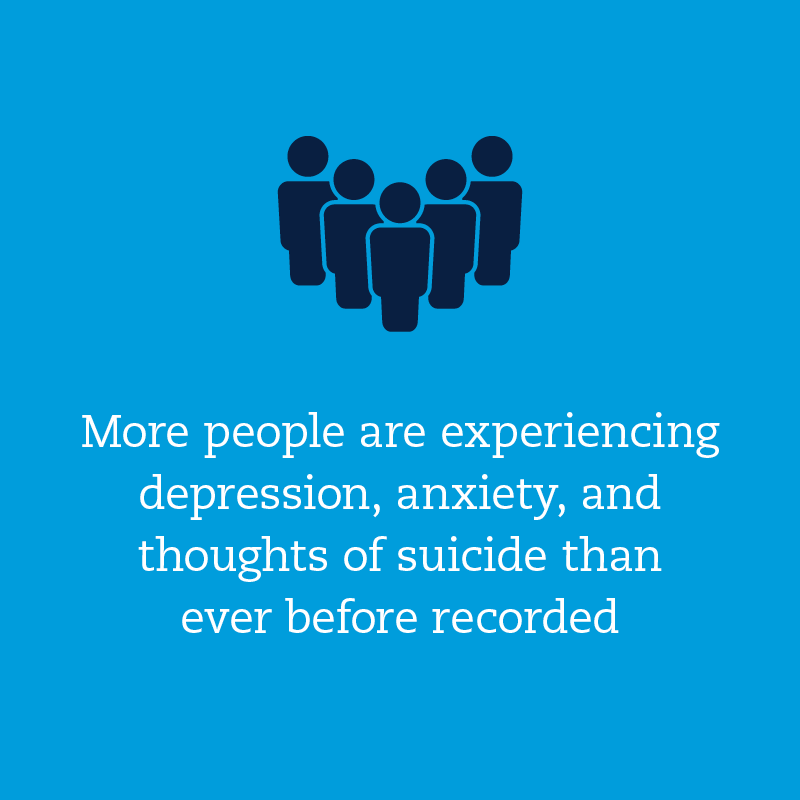
Recent data reveals a staggering reality: nearly one-third of the American population is grappling with symptoms of clinical depression. According to the COVID States Project—a massive multi-university research initiative—approximately 28% of Americans currently report symptoms of depression severe enough to warrant a clinical referral for evaluation and treatment. This figure represents a nearly threefold increase over pre-pandemic benchmarks.
The crisis is not limited to depression. Anxiety rates remain stubbornly high at 25%, and perhaps most distressing is the finding that 23% of respondents—nearly one in four Americans—report having considered suicide at least occasionally. These figures highlight a public health emergency that transcends the virus itself, affecting the social, economic, and psychological fabric of the nation.
Experts emphasize that while the rollout of vaccines and the lifting of lockdowns have restored a semblance of "normalcy" to public life, the internal lives of millions remain fractured. The data suggests that mental health recovery does not mirror the swiftness of economic or physical recovery, pointing toward a long-term societal challenge that will require sustained intervention and policy reform.
Chronology: From Acute Shock to a Chronic Plateau
To understand the current state of American mental health, one must trace the trajectory of the crisis from the initial lockdowns of early 2020 through the present day.
The Initial Surge (Spring 2020):
In the early months of the pandemic, the sudden cessation of social life and the onset of economic uncertainty triggered an immediate spike in psychological distress. By late June 2020, researchers noted that depression levels had already climbed to 25%, a significant jump from the single-digit percentages often recorded in the decade prior.
The Winter Peak (December 2020):
The crisis reached its statistical zenith in December 2020. A combination of the "dark winter" surge in COVID-19 cases, holiday isolation, and "pandemic fatigue" drove depression rates to a record high of 30%. Anxiety followed a similar path, peaking at 28%. During this period, the healthcare system was doubly strained, managing both overflowing ICUs and a surge in mental health-related emergency calls.
The Uncertain Plateau (2021 and Beyond):
As 2021 progressed, there was hope that the "return to life" would bring a corresponding drop in mental health struggles. However, the data shows only a marginal decline. From the 30% peak in December, depression rates only dipped to 28% by the following year. This "plateau" indicates that for many, the psychological damage of the pandemic has transitioned from an acute reaction to a chronic condition. The "new normal" includes a baseline of mental distress that is significantly higher than anything recorded in the pre-COVID era.
Supporting Data: Demographics and the Pediatric Emergency
The burden of this crisis is not distributed equally. Data from the COVID States Project and the Children’s Hospital of Philadelphia (CHOP) reveals specific "hot zones" of vulnerability based on age and socioeconomic status.
The Generational Divide
The most striking disparity exists between the youngest and oldest adults.
- Young Adults (18–24): This demographic has been the hardest hit, with a staggering 42% meeting the criteria for moderate to severe depression.
- Middle-aged Adults (25–44): This group followed at 32%, often cited as the "sandwich generation" dealing with both childcare and eldercare during the pandemic.
- The Elderly (65+): Interestingly, those 65 and older reported the least impact, with only 10% meeting the criteria for moderate depression.
David Lazer, a professor of political science and computer sciences at Northeastern University and a lead researcher on the study, attributes this to the "dynamic" nature of youth. "Younger adults are finishing school, getting a job, starting a family—all things that are more likely to be disrupted by the pandemic," Lazer noted. For a 20-year-old, two years of isolation represents 10% of their life and a total disruption of their developmental milestones.
The Pediatric Crisis
The crisis among children and adolescents is particularly acute. A study published by researchers at the Children’s Hospital of Philadelphia found a disturbing trend: while overall emergency department (ED) visits decreased during the pandemic (as people avoided hospitals for minor injuries), the proportion of pediatric patients seeking help for mental health emergencies increased significantly.
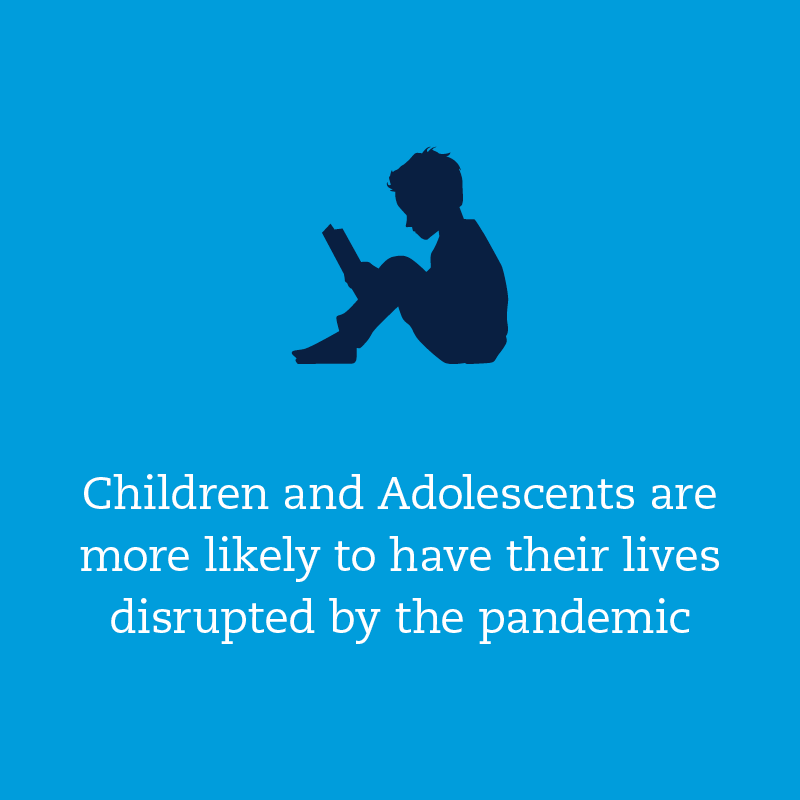
Furthermore, these pediatric patients were more likely to require inpatient hospitalization than they were before the pandemic. Dr. Polina Krass, a pediatrician at CHOP, noted that the pandemic did not create these issues out of thin air but rather acted as an accelerant. "Prior to the COVID-19 pandemic, youth mental health conditions were increasing in prevalence and severity, and there were extreme shortages in access to mental healthcare," Krass stated. "COVID-19 may further exacerbate these trends."
Official Responses: Clinical Perspectives and Individual Agency
Federal health officials and clinical experts are navigating a complex landscape of "natural recovery" versus "clinical intervention." Susan Borja, Chief of the National Institute of Mental Health’s (NIMH) Dimensional Traumatic Stress Research Program, offers a nuanced perspective on the path forward.
The Theory of Natural Recovery
Borja notes that in the wake of mass disasters, most people exhibit initial symptoms of distress. However, "natural recovery" is the typical outcome for the majority. "Increased symptoms exist along a continuum," Borja explained. "Many people may experience symptoms, but those symptoms may not consistently rise to the level of severity or impairment required for a diagnosis."
However, Borja warns that a "significant minority" will not recover on their own. For these individuals, the pandemic has triggered or worsened clinical disorders that require professional treatment. The challenge for the healthcare system is identifying who will recover naturally and who requires immediate intervention.
Reclaiming Control
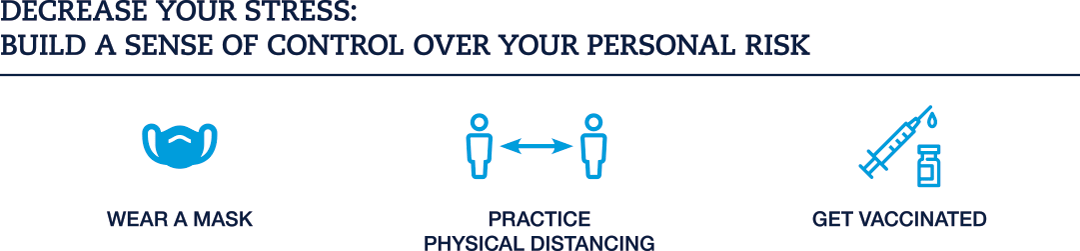
On an individual level, mental health experts are emphasizing the importance of "agency." Borja suggests that participating in public health efforts—such as masking or vaccination—can actually serve as a mental health tool by providing a sense of control over an unpredictable environment.
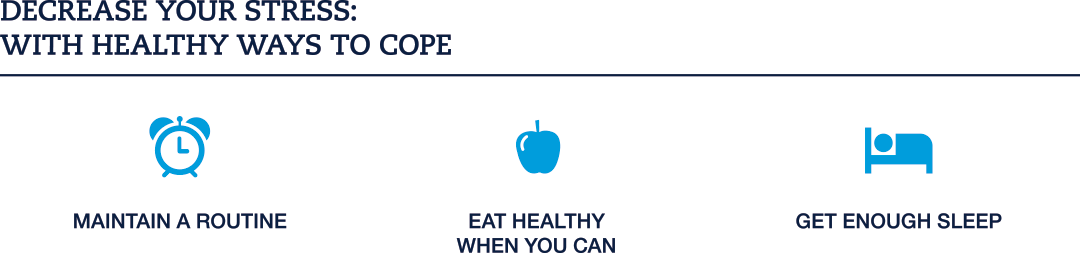
Additionally, the NIMH recommends a return to foundational wellness:
- Routine: Establishing a predictable daily schedule to counter environmental chaos.
- Physical Health: Maintaining a healthy diet and consistent exercise, which have proven neurochemical benefits for mood regulation.
- Sleep Hygiene: Prioritizing rest to allow the brain to process the day’s stressors.
Implications: Policy Reform and the Future of Care
The persistent nature of the mental health crisis has forced a reckoning at the policy level. If the current trends continue, the U.S. faces a future of diminished workforce productivity, increased healthcare costs, and a generation of youth with long-term developmental scars.
Legislative Action
One of the primary legislative responses is the Behavioral Health Crisis Services Expansion Act (S. 1902). This bill seeks to establish national standards for behavioral health crisis services, ensuring they are available to all individuals regardless of their ability to pay or their geographic location. The goal is to move mental health care away from emergency rooms and law enforcement and toward specialized, accessible community care.
Addressing Social Determinants
Dr. Krass and other experts argue that policy cannot stop at the clinic door. The pandemic highlighted "stark inequities" in access to care, particularly for minority communities. To truly address the crisis, Krass argues that society must fund research into the "social determinants of health," including:
- Community Violence: Reducing the external stressors that keep families in a state of hyper-vigilance.
- Structural Racism: Addressing the systemic barriers that prevent minority youth from receiving early intervention.
- Economic Stability: Ensuring that the financial "shocks" of the pandemic do not lead to permanent psychological trauma for low-income families.
The Silver Lining
Despite the grim statistics, Borja and other experts see a potential "silver lining." The universality of the pandemic experience has done more to destigmatize mental health than decades of previous advocacy. "There is increased recognition of the importance of mental health and a general awareness that mental health is a significant part of public health," Borja said.
As the nation moves forward, the success of the recovery will not just be measured by GDP or infection rates, but by the ability of the healthcare system to meet the unprecedented demand for psychological support. "There is a lot of work to be done," Krass concluded. "I hope we can leverage this moment to start to make constructive changes."