The global discourse surrounding the COVID-19 pandemic has, for years, focused primarily on viral transmission, hospitalization rates, and the efficacy of vaccines. However, as the physical threat of the virus began to transition into an endemic phase, a secondary, more insidious crisis emerged in its wake. Often referred to by experts as the "shadow pandemic," the precipitous rise in depression, anxiety, and suicidal ideation has fundamentally altered the American psychosocial landscape.
The data is clear, the numbers are worrying, and for many experts, the outlook remains profoundly uncertain. Since the onset of the pandemic, researchers across the United States have been sounding the alarm on a mental health crisis that shows little sign of returning to pre-2020 baselines.
Main Facts: A Nation Under Psychological Strain
Recent findings from the COVID States Project—a massive, joint research effort involving Northeastern, Harvard, Northwestern, and Rutgers Universities—paint a stark picture of a nation in distress. The survey, which has tracked thousands of Americans throughout the pandemic, reveals that mental health struggles are not merely a byproduct of lockdowns, but a persistent feature of the post-pandemic era.
According to the latest data, 28% of Americans report symptoms of depression severe enough to warrant a clinical referral for evaluation and treatment. To put this into perspective, this figure is nearly three times higher than the rates observed in the pre-pandemic era. While this is a slight improvement from the peak of 30% recorded in December 2020, it remains significantly higher than the 25% low observed in June 2020, suggesting that the "new normal" includes a baseline of chronic psychological distress for nearly one-third of the population.

The crisis is not limited to depression. Anxiety rates remain stubbornly elevated at 25%, while a staggering 23% of respondents admit to having thoughts of suicide at least occasionally. These figures represent a public health emergency that transcends the immediate biological threats of the virus, pointing toward a systemic breakdown in the nation’s collective well-being.
Chronology: From Acute Shock to Chronic Distress
The evolution of this mental health crisis followed a distinct chronological path, mirroring the waves of the viral pandemic while developing its own unique momentum.
The Initial Shock (Spring 2020)
In the early months of 2020, the primary psychological drivers were fear of the unknown and the sudden loss of social structures. As the country entered lockdown in March, anxiety spiked. However, by late June 2020, there was a brief period of "psychological optimism" where depression rates dipped to 25%, likely due to the belief that the pandemic would be a short-term disruption.
The Winter Peak (Late 2020)
The most severe mental health data was recorded in December 2020. A combination of "pandemic fatigue," the onset of winter, and a massive surge in COVID-19 cases led to the highest recorded rates of depression (30%) and anxiety (28%). This period represented the peak of the crisis, as the hope for a quick resolution faded and the reality of long-term isolation set in.
The Plateau of 2021 and Beyond
As 2021 progressed and vaccines became widely available, health officials hoped for a corresponding "rebound" in mental health. This did not materialize. Instead, the data showed a plateau. While the 28% depression rate recorded in mid-to-late 2021 was a slight decrease from the December peak, it remained three times higher than 2019 levels. This indicates that the trauma of the pandemic has caused lasting shifts in the mental health of the populace that do not simply disappear when social distancing ends.
Supporting Data: Demographics and the Pediatric Emergency
The burden of this crisis has not been shared equally. Demographic data reveals that age, socioeconomic status, and race play significant roles in how individuals have weathered the psychological storm.
The Vulnerability of Young Adults
Perhaps the most startling finding from the COVID States Project is the impact on young adults. Among those aged 18 to 24, a massive 42% met the criteria for moderate or greater depression. This is followed by 32% for those aged 25 to 44, and 20% for the 45-to-64 age bracket.
In contrast, adults aged 65 and older showed the most resilience, with only 10% meeting the criteria for moderate depression. David Lazer, a professor of political science and computer sciences at Northeastern University, attributes this to the inherent instability of early adulthood. "Younger adults have lives that are more dynamic," Lazer noted. "They’re finishing school, getting a job, starting a family—all things that are more likely to be disrupted by the pandemic."
The Pediatric Crisis
The impact on children and adolescents has been equally catastrophic. A study published in the journal Pediatrics by researchers at the Children’s Hospital of Philadelphia (CHOP) found a worrying trend in emergency department (ED) visits. While overall ED visits actually decreased during the pandemic, the proportion of pediatric patients seeking help for mental health emergencies surged.
Furthermore, these children were arriving with more severe symptoms. A higher percentage of pediatric mental health patients required inpatient hospitalization compared to pre-pandemic times, suggesting that by the time children reached the hospital, their conditions had reached a critical breaking point.
Inequity and Social Determinants
Dr. Polina Krass, a pediatrician at CHOP and lead author of the study, highlighted that the crisis is compounded by existing inequalities. "There are stark inequities in access to mental health care for youth from minority communities," Krass stated. These populations were hit harder by the virus itself, faced greater economic instability, and had the least access to the "telehealth" boom that served more affluent communities.
Official Responses: Strategies for Recovery
As the scale of the crisis became undeniable, officials from the National Institute of Mental Health (NIMH) and other health organizations began outlining a path forward. The response is divided into two categories: natural recovery and systemic intervention.
The Continuum of Trauma
Susan Borja, chief of the NIMH’s Dimensional Traumatic Stress Research Program, offers a nuanced perspective on the data. She notes that while the numbers are high, increased symptoms exist on a continuum. "Many people may experience symptoms, but those symptoms may not consistently rise to the level of severity or impairment required for a diagnosis," Borja explained.
She emphasizes the concept of "natural recovery," noting that for many, symptoms will diminish as they regain a sense of agency and safety. However, she warned that a "significant minority" will not recover on their own and will require professional clinical intervention to avoid long-term disability.
Policy and Legislation
The federal government has begun to move toward systemic solutions. A key piece of legislation is the Behavioral Health Crisis Services Expansion Act (S. 1902). This bill aims to set national standards for behavioral health services, ensuring that crisis care is available to everyone, regardless of their ability to pay or their geographic location. The goal is to move mental health care away from emergency rooms and into community-based centers that can provide preventative and long-term support.
Implications: A Fundamental Shift in Public Health
The long-term implications of this data suggest that the United States is at a crossroads regarding its approach to mental health. The pandemic has exposed the "fragility" of the existing mental health infrastructure, which was already suffering from provider shortages and lack of funding before 2020.
The "Silver Lining" of Destigmatization
Susan Borja suggests that the sheer scale of the crisis may have one positive outcome: the mainstreaming of mental health. "If there is any silver lining… it is that there is increased recognition of the importance of mental health and a general awareness that mental health is a significant part of public health," she said. This cultural shift is essential for securing the funding and political will necessary to overhaul the system.
The Need for Holistic Reform
For Dr. Krass, the solution must go beyond just adding more therapists. She argues that society must address the "social determinants" of mental health. This includes funding research, reducing community violence, and dismantling the structural racism that prevents minority youth from accessing care. "There is a lot of work to be done," Krass added. "I hope we can leverage this moment to start to make constructive changes."
Individual Agency and Coping
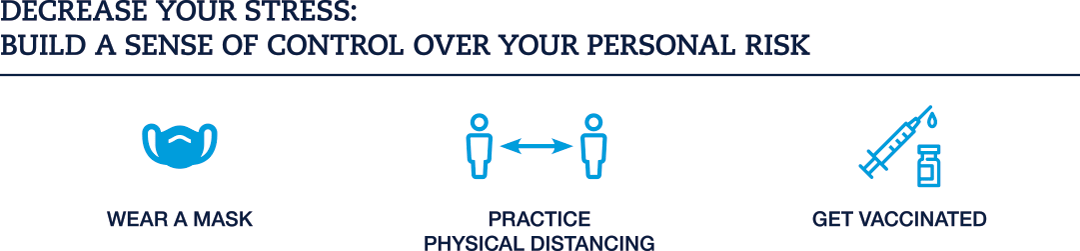
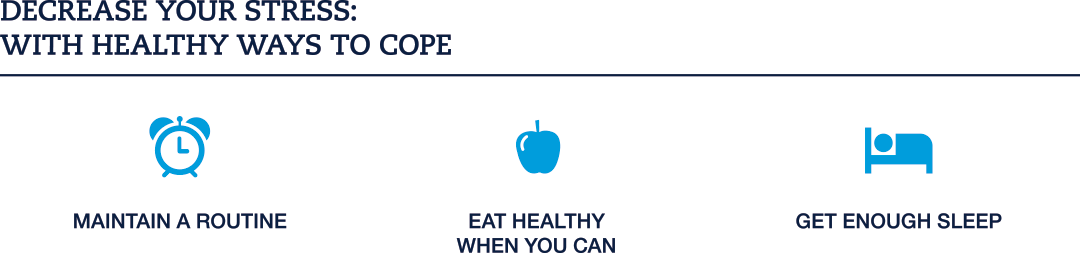
On an individual level, health experts are encouraging Americans to view mental health through the lens of "active recovery." This includes maintaining routines, focusing on physical health (exercise and sleep), and engaging in behaviors that provide a sense of control, such as staying informed but not overwhelmed by news cycles.
Conclusion
The mental health data gathered over the last two years serves as a sobering reminder that the "end" of a pandemic is not a single date on a calendar, but a long, arduous process of psychological reconstruction. With nearly 30% of the population struggling with clinical-level depression and young adults facing unprecedented levels of despair, the nation’s success in the coming decade will likely be measured not just by its economic recovery, but by its ability to heal its collective mind. The "shadow pandemic" is no longer in the shadows; it is at the forefront of the American public health challenge.