









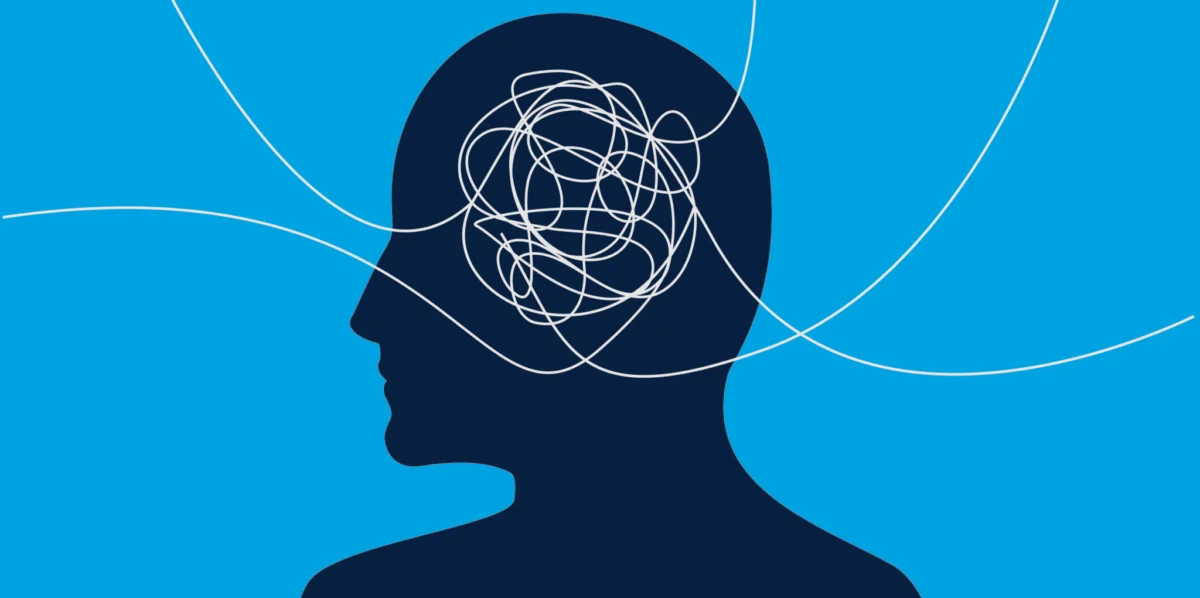
The data is clear, the numbers are worrying, and for public health experts, the outlook remains profoundly uncertain. While the world has spent the last several years focused on the physical toll of the COVID-19 virus, a secondary, "shadow pandemic" has been quietly eroding the psychological well-being of the American populace.
Since the onset of the global health crisis, researchers across the United States have been sounding an increasingly urgent alarm. It is no longer a matter of anecdotal evidence; a massive influx of clinical data suggests that the nation is grappling with historically high rates of depression, anxiety, and general mental health deterioration. From the isolation of lockdowns to the economic instability of the recovery, the stressors of the pandemic era have created a perfect storm for a mental health catastrophe that experts fear may outlast the virus itself.
Main Facts: A Nation in Psychological Distress
The scale of the current crisis is best captured by the "COVID States Project," an ongoing, multi-university survey conducted by researchers from Northeastern, Harvard, Northwestern, and Rutgers Universities. Their findings paint a grim picture of the American psyche.
According to the most recent data, approximately 28% of Americans report symptoms of depression so severe they would typically trigger a clinical referral for evaluation and treatment. To put this into perspective, this figure is roughly three times higher than the rates observed in the pre-pandemic era. While this is a slight improvement from the peak of 30% recorded in December 2020, it remains significantly elevated above the "low" of 25% seen in June 2020.
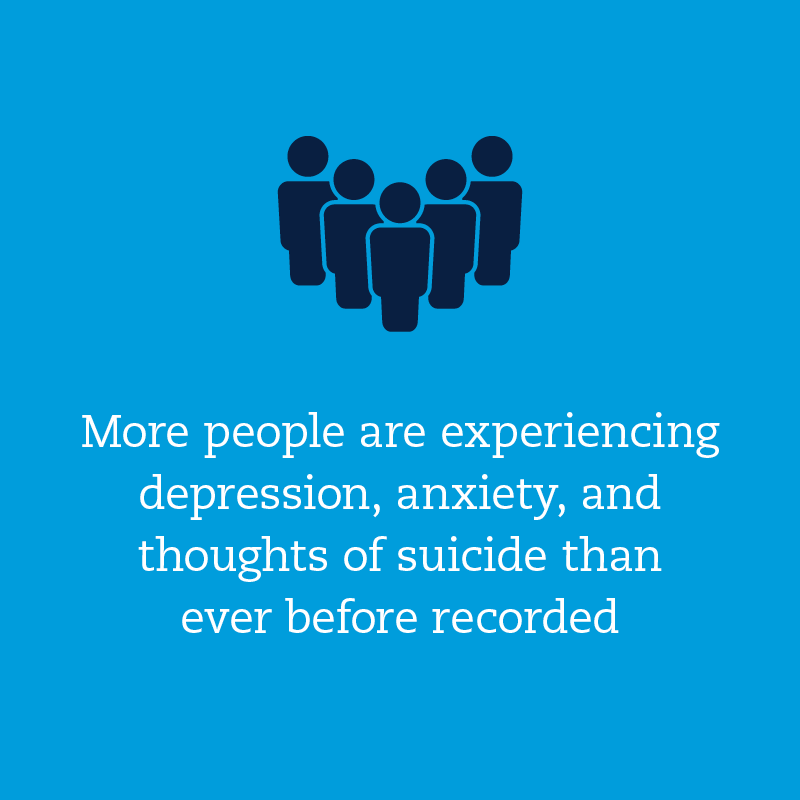
The crisis is not limited to depression. Anxiety levels remain stubbornly high, with 25% of the population reporting significant symptoms. Perhaps most alarming is the data regarding suicidal ideation: 23% of respondents reported thinking of suicide at least occasionally—a figure that has remained tragically stable since late 2020.
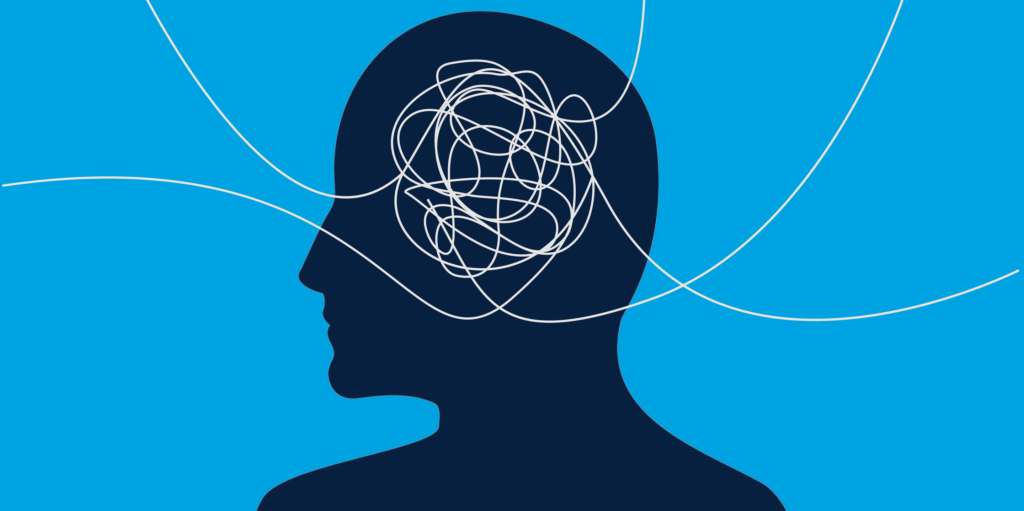
"The numbers are worrying," experts say, noting that the "new normal" for mental health in America is a state of persistent, high-level distress that the current healthcare infrastructure is ill-equipped to handle.
Chronology: From Lockdown to the Long-Term Plateau
The trajectory of America’s mental health crisis has largely mirrored the waves of the pandemic, yet it shows a disturbing "stickiness"—symptoms that do not immediately dissipate even as physical health restrictions lift.
- Pre-COVID Era: Baseline depression rates in the U.S. generally hovered in the single digits or low teens, depending on the demographic. Mental health services were already strained, but the system was not in a state of total collapse.
- June 2020 (The Initial Shock): After the first wave of lockdowns and the initial terror of the virus, depression rates rose to 25%. This was the first major indicator that the pandemic was more than a physical health threat.
- December 2020 (The Winter Peak): As the U.S. faced a massive winter surge of COVID-19 cases and the isolation of the holiday season during a lockdown, depression rates hit a record high of 30%. Anxiety followed a similar path, peaking at 28%.
- Early to Mid-2021 (The Current Plateau): Despite the rollout of vaccines and a partial return to social normalcy, the "recovery" has been sluggish. Depression rates have only dipped to 28%, and suicidal ideation has not decreased, suggesting that the psychological scars of the previous year are deep and slow to heal.
This chronology suggests that mental health recovery does not follow a simple "V-shaped" curve. Instead, it appears to be a long-term struggle, with the emotional toll of the pandemic persisting long after the masks come off.
Supporting Data: The Demographic Divide
The impact of this crisis has not been felt equally across the population. Data reveals a stark demographic divide, with age being one of the most significant predictors of mental health struggles.
The Vulnerability of Young Adults
The COVID States Project found that young adults (ages 18–24) have been the hardest hit by the pandemic’s psychological fallout. A staggering 42% of respondents in this age group met the criteria for at least moderate depression. This is more than double the rate of older middle-aged adults.
David Lazer, a professor of political science and computer sciences at Northeastern University and a lead researcher on the study, attributes this to the inherent volatility of youth. "Younger adults have lives that are more dynamic than older adults," Lazer noted. "They’re finishing school, getting a job, starting a family—all things that are more likely to be disrupted by the pandemic."
For this cohort, the pandemic didn’t just pause their social lives; it derailed the fundamental milestones of adulthood, leading to a sense of "lost time" and profound uncertainty about the future.
The Resilience of Seniors
In a surprising contrast, respondents aged 65 and older reported the least impact. Only 10% of this group met the criteria for moderate or greater depression. Experts suggest that older adults may possess greater emotional resilience built through a lifetime of navigating crises, or perhaps their lives were already more "settled," making the disruptions of the pandemic less structurally damaging than they were for those in the middle of career-building or education.
The Pediatric Emergency
The crisis extends down into childhood and adolescence. A study published in April by the Children’s Hospital of Philadelphia (CHOP) revealed a paradox: while overall emergency department (ED) visits decreased during the pandemic, the proportion of pediatric patients seeking help for mental health emergencies increased significantly.
Dr. Polina Krass, a pediatrician at CHOP and the lead author of the study, expressed deep concern over these findings. "Prior to the COVID-19 pandemic, youth mental health conditions were increasing in prevalence and severity," she said. "COVID-19 may further exacerbate these trends." The study found that children seen in the ED for mental health reasons were also more likely to require hospital admission than in pre-pandemic times, indicating that the cases being seen are of higher clinical severity.
Official Responses: Recovery and Resilience
In the face of these daunting statistics, federal health officials and clinical experts are looking for a path forward. Susan Borja, Chief of the National Institute of Mental Health’s (NIMH) Dimensional Traumatic Stress Research Program, offers a perspective grounded in the history of mass trauma.
The Concept of Natural Recovery
Borja notes that while the current numbers are high, they are consistent with what is observed after mass disasters. "Most people who are exposed to a mass disaster or widespread traumatic event will experience some symptoms initially," she explained. "Those symptoms typically diminish in the following weeks and months as part of natural recovery."
However, Borja warns that we cannot rely on natural recovery alone. While many will bounce back, a "significant minority" will continue to experience symptoms that impair their daily lives. For these individuals, the pandemic has acted as a "triggering event" for long-term clinical disorders that will require professional intervention.
Individual Agency as a Tool for Health
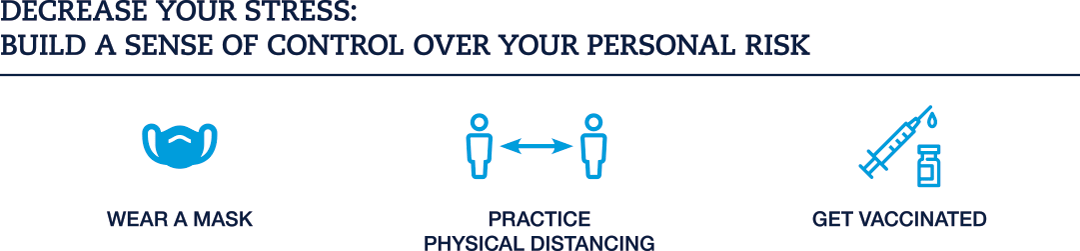
To aid in this recovery, NIMH suggests that individuals focus on reclaiming a sense of control. Borja emphasizes that taking active roles in ending the pandemic—such as getting vaccinated or practicing responsible physical distancing—can provide a psychological boost by reducing the feeling of helplessness.
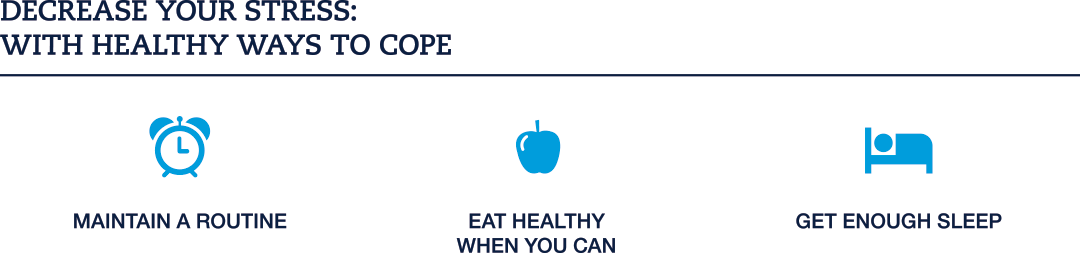
Furthermore, the NIMH advocates for "stress hygiene":
- Maintaining a consistent daily routine.
- Prioritizing sleep and healthy nutrition.
- Engaging in regular physical exercise.
- Staying connected with social support networks.
Implications: Policy and the Future of Care
The pandemic has exposed the cracks in the American mental health system, but it has also created a rare moment of political and social consensus. There is a growing recognition that mental health is not a secondary concern, but a core component of public health.
Legislative Action: S. 1902
One of the most promising responses to this crisis is the Behavioral Health Crisis Services Expansion Act (S. 1902). This legislation aims to set national standards for behavioral health services, ensuring they are available to all citizens regardless of their age, location, or ability to pay. By treating a mental health crisis with the same urgency and standardized care as a physical heart attack, the bill seeks to bridge the gap between need and access.
Addressing Inequity
Dr. Polina Krass highlights another critical implication: the need to address systemic inequities. "There are stark inequities in access to mental health care for youth from minority communities," she noted. "We know that COVID-19 has impacted these populations disproportionately."
For the mental health recovery to be successful, it must address the "social determinants of health," including community violence, structural racism, and economic instability. Without addressing these root causes, the mental health gap between different socioeconomic groups is likely to widen.
The "Silver Lining"
If there is a positive outcome to be found in the data, it is the reduction of stigma. Susan Borja points out that the sheer scale of the crisis has normalized the conversation around mental health. "If there is any silver lining… it is that there is increased recognition of the importance of mental health and a general awareness that mental health is a significant part of public health," she said.
Conclusion: A Call to Action
The data provided by the COVID States Project and the Children’s Hospital of Philadelphia serves as a sobering reminder that the pandemic’s toll cannot be measured in viral loads and hospitalization rates alone. The psychological burden of the last several years has fundamentally altered the American landscape.
With nearly a third of the population reporting depressive symptoms and nearly a quarter contemplating suicide, the "shadow pandemic" is a national emergency. While the prospect of "natural recovery" offers hope, the reality is that the healthcare system requires radical expansion and policy support to meet the moment.
As Dr. Krass concluded, "There is a lot of work to be done. I hope we can leverage this moment to start to make constructive changes." The true test of the post-pandemic era will not just be how we rebuild our economies, but how we heal the minds of those who lived through it.