In the modern era, the link between our external environment and our internal biology has never been more profound. A landmark study, recently published and representing the largest research effort of its kind, has uncovered a sobering reality: the chronic stress of everyday life does not merely weigh on our minds—it leaves a tangible, structural scar on our hearts.
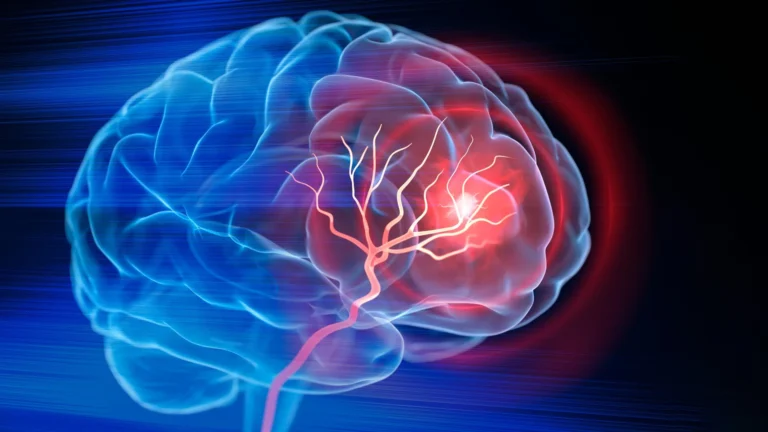
By analyzing data from nearly half a million adults in the United Kingdom, researchers from the MRC Laboratory of Medical Sciences (LMS) and Imperial College London have identified a "silent" pathway through which poverty, psychological distress, and lifestyle choices translate into life-threatening cardiovascular disease. The study suggests that long-term, low-level inflammation acts as a biological mediator, physically remodeling the heart and significantly elevating the risk of stroke and heart attack long before a patient experiences their first symptom.
The Mechanics of Silent Damage: Main Facts
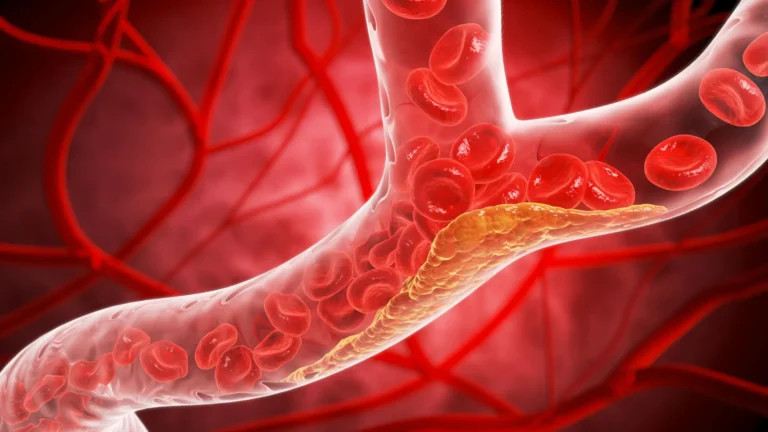
At the center of this research is the concept of "hidden inflammation." Unlike the acute inflammation that occurs when the body fights off a sudden infection or injury, chronic inflammation is a persistent, low-level activation of the immune system. Ideally, our immune response should switch off once an immediate threat has been neutralized. However, for millions of people, this switch remains stuck in the "on" position.
The researchers discovered that this persistent immune activation is not a random biological error but is heavily influenced by external factors. Socioeconomic disadvantage, psychological stress, and unhealthy lifestyle habits—such as smoking and obesity—act as catalysts for this systemic inflammation.
Over time, this process leads to significant structural changes in the heart. The study noted that individuals with high inflammatory markers exhibited thicker heart walls, smaller heart chambers, and impaired cardiac filling—a precursor to heart failure. These physical transformations often occur silently, building up over years, which explains why many individuals are unaware of their cardiovascular vulnerability until a major, life-altering event occurs.
A Timeline of Discovery: From Biobank to Breakthrough
The scale of this study, which leveraged the comprehensive UK Biobank dataset, allowed researchers to observe patterns that smaller, localized studies might have missed.
Phase 1: Data Integration
The research team began by compiling data from approximately 480,000 participants. To quantify inflammation, they utilized a specific blood marker known as glycoprotein acetyls (GlycA). This marker is a reliable indicator of systemic, long-term inflammation. By cross-referencing these blood markers with high-resolution heart imaging and genomic data, the team was able to build a multidimensional picture of how systemic immune activity affects cardiac anatomy.
Phase 2: Identifying the Risk Threshold
The analysis categorized participants by their inflammation levels. Those in the top 20% of inflammation markers were compared against those in the bottom 20%. The disparity in health outcomes was stark: the high-inflammation group faced a 43% higher risk of experiencing a heart attack or stroke. Crucially, this correlation held true even for participants who had no prior history of diagnosed heart disease, suggesting that inflammation is an independent and early predictor of future cardiovascular collapse.
Phase 3: Uncovering the Genetic Component
The study did not ignore the role of biology. While environmental factors were paramount, the researchers noted a strong genetic component. Some individuals appear to possess a natural resilience to the inflammatory damage caused by poor lifestyle choices, while others are genetically predisposed to suffer more severe cardiac damage under the same environmental stressors. This discovery provides a new layer of nuance to our understanding of why heart disease affects individuals so differently, even when they share similar socioeconomic backgrounds.
The Data: Quantifying the Crisis
The statistical weight of this study provides an undeniable mandate for clinical change. The 43% increased risk factor serves as the headline figure, but the supporting data paints a broader picture of public health degradation:
- Structural Remodeling: Higher GlycA levels were consistently linked to thicker ventricular walls and restricted heart chambers. These changes reduce the heart’s efficiency, leading to "poorer heart filling," a primary indicator of diastolic dysfunction.
- Socioeconomic Correlation: There is a strong, observable link between socioeconomic disadvantage and elevated inflammatory profiles. This suggests that the "pressures of everyday life"—poverty, job insecurity, and neighborhood stressors—are being biologically encoded into the cardiovascular system.
- The Interleukin/TNF Connection: The study identified specific inflammatory proteins within the interleukin-1 and TNF (Tumor Necrosis Factor) families as key drivers of this cardiac damage. These proteins are already the subject of pharmaceutical research, raising the possibility that we are on the verge of new, targeted anti-inflammatory treatments for heart health.
Official Responses: Insights from the Scientific Community
The implications of these findings have resonated throughout the medical community, prompting calls for a shift in how we approach preventative cardiology.
Professor Declan O’Regan, the study’s lead and the British Heart Foundation Chair of Cardiovascular AI at Imperial College London, emphasized the urgency of the discovery. "Our study suggests that millions of people could be living with hidden inflammation, which is slowly changing their heart and causing long-term damage," O’Regan stated. "Chronic inflammation is complicated, but we know it’s tied to our health and driven by a range of lifestyle and economic factors."
O’Regan also offered a glimmer of hope, noting that while the environmental determinants of health are difficult to change, they are not insurmountable. "While tackling health inequalities remains an issue, there are things that we can do about inflammation, including reducing risk factors like smoking and obesity," he added.
Professor Bryan Williams, Chief Scientific and Medical Officer at the British Heart Foundation, echoed these sentiments, highlighting the "darker side" of the immune system. "Inflammation is part of the body’s healing process, but this large-scale study found people with higher levels of inflammation experienced silent changes to the structure of their hearts," Williams remarked. He stressed that the study provides a critical roadmap for future interventions, specifically through the potential use of anti-inflammatory drugs that could act as a preventative barrier against cardiac events.
Implications: A New Era of Preventative Cardiology
The findings of this study signal a paradigm shift in how we might screen for and treat cardiovascular disease. Currently, most cardiac screenings focus on traditional markers like cholesterol levels and blood pressure. While these remain essential, the research suggests that incorporating inflammation markers—such as GlycA blood tests—could significantly improve our ability to predict heart failure.
Integrating Genetics and Lifestyle
The prospect of combining blood tests with genetic risk scores is particularly promising. By identifying those who are genetically susceptible to inflammatory damage, healthcare providers could offer highly personalized, early-intervention strategies. This might include lifestyle counseling for some, or the preemptive use of anti-inflammatory therapies for those at the highest risk.
Addressing the Root Causes
Perhaps the most significant implication is the validation of the "social determinants of health." For years, public health advocates have argued that poverty and stress are physiological hazards. This study provides the empirical proof: these societal pressures are not just abstract concepts; they are literal triggers for a systemic immune response that degrades the heart muscle.
This creates a dual responsibility for the medical and political spheres. While medicine must continue to innovate with targeted therapies for inflammatory proteins, society must acknowledge that "health" cannot be treated in a vacuum. Tackling the root causes—such as economic inequality and poor mental health support—is not just a matter of social policy; it is a matter of cardiovascular survival.
Moving Forward
As the medical community digests these results, the path forward appears to involve a multi-pronged approach. First, clinicians should consider integrating inflammatory screening into routine physicals for at-risk populations. Second, the development of drugs targeting the interleukin-1 and TNF families must be fast-tracked to determine if they can effectively halt the silent remodeling of the heart.
Ultimately, this study serves as a stark reminder that our bodies are in constant conversation with our environments. The heart, often poeticized as the center of emotion, is also a highly sensitive biological organ that reflects the reality of our lives. By listening to the "silent" language of inflammation, we may be able to turn the tide against one of the world’s most persistent killers, offering millions a chance to protect their hearts before the damage becomes irreversible.