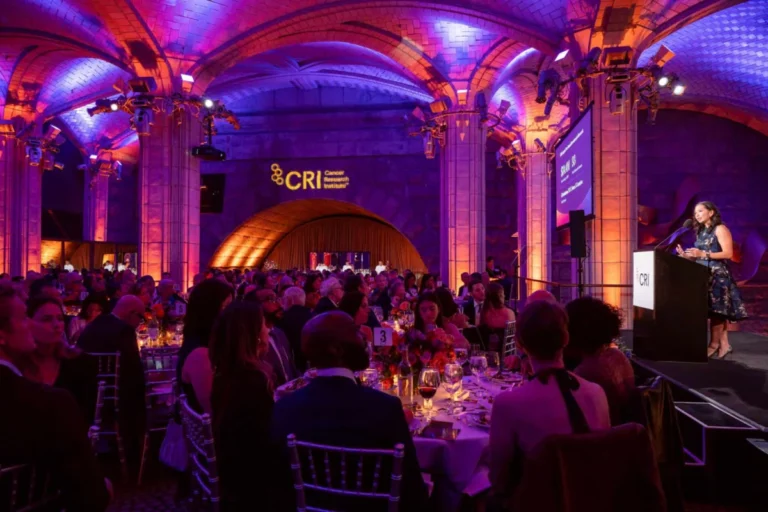




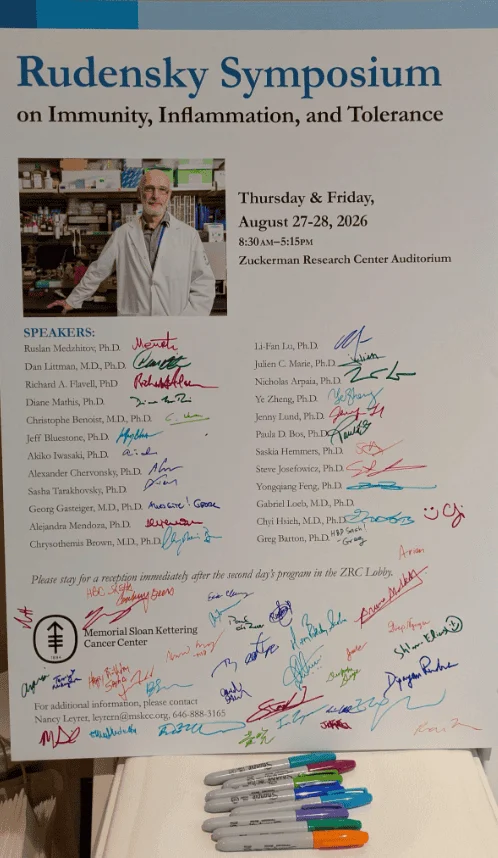
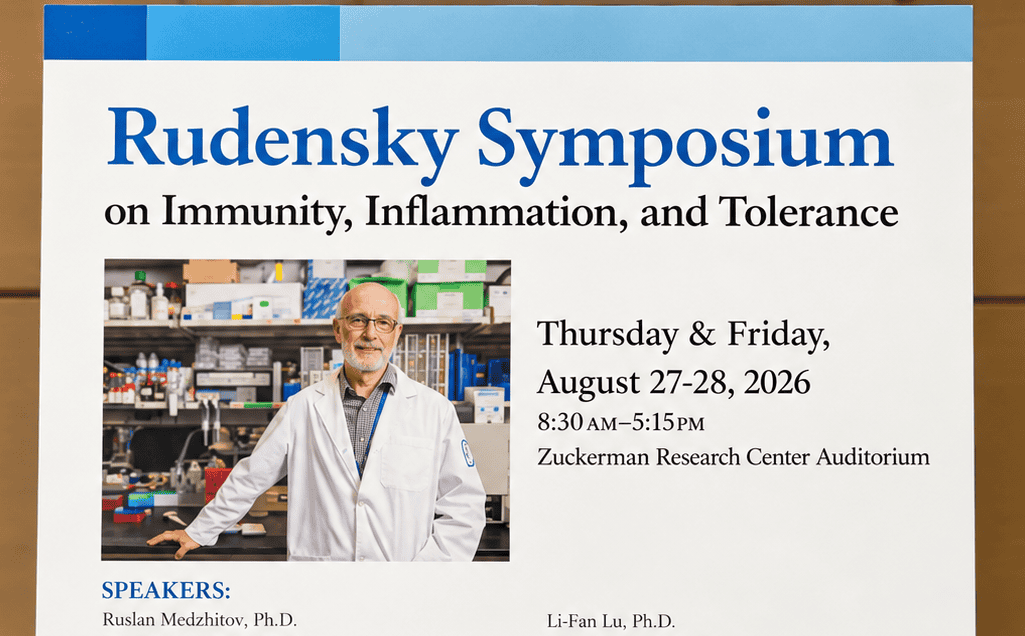
On August 27–28, 2026, the global scientific community converged for the "Rudensky Symposium on Immunity, Inflammation, and Tolerance." While ostensibly a technical gathering, the event served as a profound celebration of the 70th birthday of Dr. Alexander “Sasha” Rudensky, a titan of immunology at the Memorial Sloan Kettering Cancer Center (MSKCC) and a cornerstone of the Cancer Research Institute (CRI).
Beyond the formal presentations, the symposium was a tapestry of intellectual heritage. It brought together decades of trainees, collaborators, and peers—a "research family" whose collective work has fundamentally redefined our understanding of how the immune system patrols the boundaries between health, inflammation, and malignancy.
The Foundations of a Scientific Legacy
For more than 20 years, the CRI has been a staunch partner in Dr. Rudensky’s vision, funding over a dozen fellows who have since risen to leadership roles across the globe. This partnership is anchored in a shared philosophy: that true breakthroughs in cancer immunotherapy do not happen in isolation. They are built upon the bedrock of basic immunology—the study of how cells communicate, how tissues repair, and how the body maintains a delicate, often precarious, state of equilibrium.
In 2015, Dr. Rudensky was awarded the prestigious CRI William B. Coley Award, a testament to his pioneering work on regulatory T cells (Tregs). These specialized immune cells act as the body’s "peacekeepers," preventing autoimmunity by restraining excessive immune responses. However, as the symposium underscored, the function of Tregs is far more nuanced, shifting from a necessary protective mechanism to a potential ally for tumors that exploit these pathways to evade detection.
Chronology of a Scientific Milestone
The symposium was structured to mirror the evolution of modern immunology, moving from foundational mechanisms to the clinical frontiers of cancer therapy.
Day One: The Mechanics of Tissue Homeostasis
The opening sessions focused on the "basic science" that underpins systemic health. Dr. Ruslan Medzhitov, a 2003 CRI Coley Awardee, set the tone by challenging the traditional view of immune cells as mere defenders against infection. He presented data suggesting that macrophages function as "tissue maintenance crews," recruited by stressed cells to clear out damaged proteins—essentially acting as the body’s biological sanitation department.
This theme of maintenance was expanded by Dr. Diane Mathis and Dr. Christophe Benoist, both 2024 CRI Coley Awardees. Their presentations highlighted that Tregs are not just suppressors; they are active architects of tissue repair. Dr. Mathis detailed how specific Treg populations facilitate the control of inflammation and guide the healing of injured muscle, while Dr. Benoist’s work illuminated how the molecular identity of a Treg dictates its specific functional role.
Day Two: The Edge of Malignancy and the Tumor Ecosystem
The second day shifted focus toward the "pre-cancerous" state. Dr. Richard A. Flavell, a 2012 CRI Coley Awardee, provided a gripping look at the earliest moments of cancer immunosurveillance. By studying mutant intestinal stem cells, Dr. Flavell’s team demonstrated that the immune system is actively "weeding out" abnormal cells long before a visible tumor forms. When these mutant cells lose their ability to signal to T cells, they gain a survival advantage, allowing them to outcompete their neighbors.
This was complemented by Dr. Julien C. Marie, who explored the link between chronic inflammation and malignancy. His research on the TGF-β signaling pathway suggests that when this regulatory signal is disrupted, intestinal Th17 cells shift into a permanently inflammatory state that promotes DNA damage. The implication is profound: if we can restore these signals, we might reverse the inflammatory "priming" that leads to cancer.
Supporting Data: The Interconnectedness of Biological Systems
The symposium’s data-heavy sessions highlighted that cancer is not an autonomous entity but a "parasite" of the body’s existing systems.
Dr. Dan Littman, a 2016 CRI Coley Awardee, bridged the gap between the gut microbiome and systemic cancer immunotherapy. His work suggests that the bacterial populations in our intestines do not just aid digestion; they "train" our T cells, determining how effectively a patient might respond to checkpoint blockade therapy. This research reinforces the idea that an immune response originating in the gut can dictate the fate of a tumor in a distant organ.
Furthermore, Dr. Paula D. Bos presented compelling evidence regarding the tumor microenvironment. By temporarily removing Tregs in mouse models of breast cancer, she observed a shift in macrophages toward a tumor-fighting state and a breakdown of the collagen "highways" that facilitate cancer metastasis. This suggests a targeted, rather than global, approach to Treg modulation could significantly curb disease progression without triggering the systemic autoimmunity that would result from broad immune suppression.
Official Perspectives: The CRI Commitment
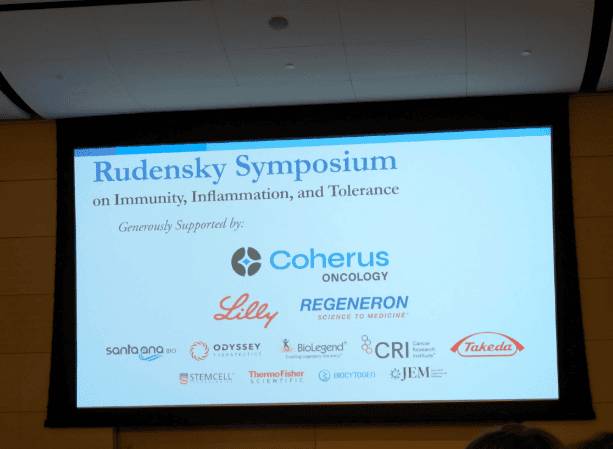
The Cancer Research Institute’s long-standing support for this symposium is not merely a funding initiative; it is a strategic investment in the future of medical science.
“The Rudensky Symposium was a microcosm of what the CRI has championed for over seven decades,” said a CRI spokesperson. “We believe in funding the ‘big thinkers’ who ask the foundational questions. When you support a researcher like Sasha, you aren’t just funding one lab; you are seeding a network of future leaders who carry that same rigorous, questioning spirit into the next generation of cancer therapy.”
The event served to highlight that the most transformative cancer treatments often arise from unexpected places. By understanding how tissues maintain balance during normal physiological stress, researchers are discovering how to "tip the scales" back in favor of the immune system when cancer attempts to hijack those same pathways.
Implications for Future Cancer Prevention and Therapy
The most significant takeaway from the symposium was the shift in focus from "killing the tumor" to "restoring the ecosystem."
- Precision Intervention: Insights from Dr. Arpaia and others on fibroblast-Treg interactions suggest we are entering an era of "neighborhood-specific" medicine. By using engineered bacteria—as demonstrated in collaboration with CRI Lloyd J. Old STAR Dr. Tal Danino—scientists hope to deliver immune-modulating treatments directly into the tumor, sparing the rest of the body from toxic side effects.
- Early Detection and Surveillance: The research presented by Dr. Flavell suggests that the future of cancer prevention may lie in monitoring the "competitive survival" of stem cells. If we can identify the moment immune surveillance fails, we might be able to intervene with therapies long before a patient requires surgery or chemotherapy.
- The Power of Mentorship: Perhaps the most vital implication is the value of the academic lineage. The symposium served as a reminder that science is a human endeavor. The exchange of ideas between the pioneers of the field and the young scientists just beginning their careers is the mechanism by which the pace of discovery is maintained.
Conclusion: A Legacy in Motion
As the symposium concluded, the mood was one of both reflection and urgent anticipation. The poster boards, signed by Dr. Rudensky’s "research family," represented not just an academic achievement, but a living network of progress.
The Rudensky Symposium proved that while we may focus on the technical challenges of curing cancer, the true engine of progress remains the people—the mentors, the trainees, and the collaborators who refuse to accept current limitations. For those in attendance, the event was a clear signal: the next generation of immunology is ready, and the foundation laid over the last 70 years is stronger than ever. The ripple effect of these discoveries will continue to shape the landscape of oncology for decades to come, moving us ever closer to the goal of a world without cancer.