











In the modern era, the "silent killer" often associated with cardiovascular health has traditionally been high blood pressure or cholesterol. However, a landmark study of nearly half a million adults has unveiled a more insidious culprit: chronic, low-level inflammation. New research led by the Medical Research Council (MRC) Laboratory of Medical Sciences (LMS) and Imperial College London suggests that the pressures of everyday life—ranging from socioeconomic hardship to persistent psychological distress—leave a tangible, physical mark on the human heart.
By analyzing data from the UK Biobank, researchers have identified a biological pathway that links the lived experience of poverty, stress, and lifestyle habits to structural changes in the heart. This process, which can occur years before a patient presents with symptoms, significantly elevates the risk of heart attack and stroke. As medical science pivots toward earlier detection and preventative medicine, this study offers a compelling case for re-evaluating how we treat, measure, and manage cardiovascular risk.
The Hidden Mechanics of Inflammation
At its core, inflammation is a vital biological defense mechanism. It is the body’s "first responder," rushing to the site of an injury or infection to begin the healing process. Under normal circumstances, this response is transient; once the threat is neutralized, the immune system stands down.
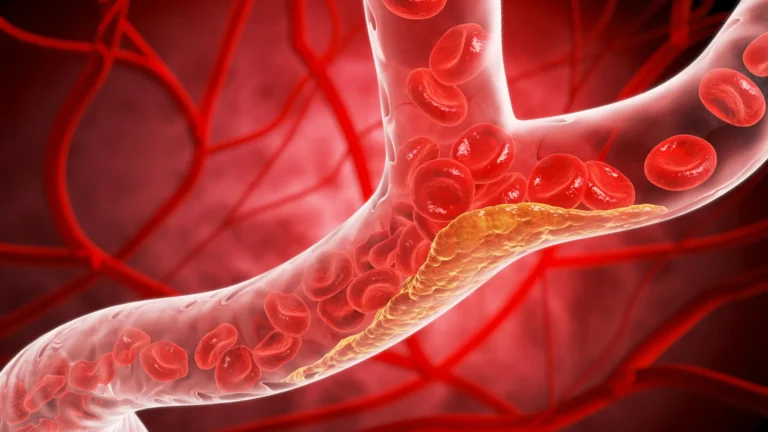
Chronic inflammation, however, occurs when this system remains in a state of persistent, low-level activation. It is the physiological equivalent of a smoke alarm that never stops blaring, even when there is no fire. While this state has long been linked to metabolic conditions like diabetes and the progression of certain cancers, its direct impact on the heart has been a subject of intense academic debate. This new research provides the most robust evidence to date that this systemic immune activation is actively remodeling the heart’s architecture.
Chronology of the Study: A Massive Undertaking
The sheer scale of this research marks a turning point in cardiovascular studies. By leveraging the UK Biobank, which houses comprehensive health records, genetic data, and imaging for nearly 480,000 participants, the researchers were able to draw correlations that smaller, localized studies could not confirm.
Phase 1: Data Integration
The research team began by assessing systemic inflammation using a specific blood marker known as glycoprotein acetyls (GlycA). GlycA is a highly stable biomarker that reflects the overall inflammatory state of the body. By combining these blood markers with advanced heart imaging—which provided a detailed view of the heart’s muscle thickness and chamber size—and genetic profiling, the researchers created a multi-layered map of participant health.
Phase 2: Identifying the Risk Threshold
The analysis categorized participants based on their GlycA levels. The results were striking: individuals in the top 20% of inflammation levels faced a 43% higher risk of experiencing a heart attack or stroke compared to those in the bottom 20%. This increased risk held true even when adjusting for traditional cardiovascular risk factors like high blood pressure, indicating that inflammation is an independent and dangerous variable in heart health.
Phase 3: Structural Remodeling
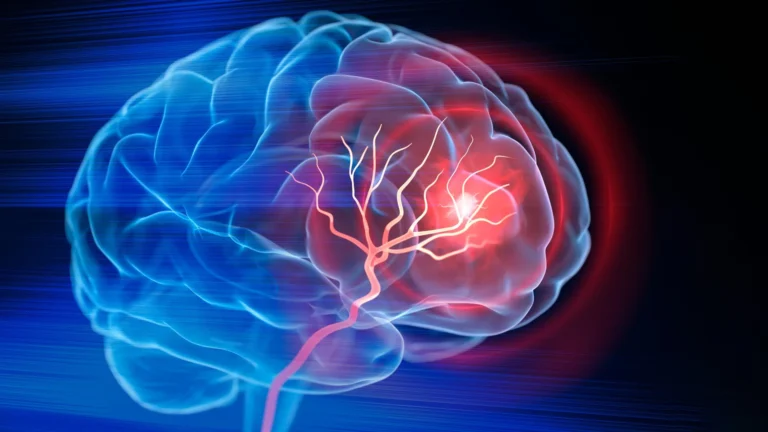
Beyond simple risk percentages, the team observed physical "remodeling" in the hearts of those with high inflammation. These individuals consistently displayed thicker heart walls, smaller heart chambers, and impaired filling capacity. These changes are not immediately fatal, but they represent a slow, cumulative degradation of cardiac function that eventually leads to heart failure.
Supporting Data: The Convergence of Biology and Society
The study’s most provocative finding is the undeniable link between socioeconomic status, mental health, and the physical state of the heart. The data suggests that chronic inflammation acts as a bridge between the environment and the organ.
- Socioeconomic Disadvantage: Financial instability, job insecurity, and poor living conditions were strongly correlated with higher GlycA levels.
- Psychological Distress: Mental health struggles, including anxiety and chronic stress, were identified as significant drivers of persistent immune activation.
- Lifestyle Factors: Smoking and excess body fat remained primary drivers of inflammation, but the study highlighted that these are often exacerbated by the same social and economic pressures mentioned above.
- Genetic Resilience: The study also acknowledged a genetic component. Some individuals appear to possess a natural "resilience" to the inflammatory damage caused by environmental stressors, whereas others are genetically predisposed to suffer more rapid structural changes when faced with similar external pressures.
Official Responses and Expert Analysis
The Perspective of the Lead Investigator
Professor Declan O’Regan, British Heart Foundation Chair of Cardiovascular AI at Imperial College London and Head of the Computational Cardiac Imaging Group at the LMS, believes the implications for the general public are profound.
"Our study suggests that millions of people could be living with hidden inflammation, which is slowly changing their heart and causing long-term damage," Professor O’Regan noted. "Chronic inflammation is complicated, but we know it’s tied to our health and driven by a range of lifestyle and economic factors—meaning people may be at more risk just because of their surroundings, their economic status, their family’s health, and their lifestyle."
Crucially, Professor O’Regan offered a note of optimism: "While tackling health inequalities remains an issue, there are things that we can do about inflammation, including reducing risk factors like smoking and obesity."
The Public Health Implications
Professor Bryan Williams, Chief Scientific and Medical Officer at the British Heart Foundation, emphasized the "darker side" of the body’s healing process.
"This large-scale study found people with higher levels of inflammation experienced silent changes to the structure of their hearts and had a higher risk of major cardiac events," Williams stated. He highlighted the potential for future medical interventions, specifically noting that the inflammatory proteins identified in the study—particularly those in the interleukin-1 and TNF families—are already being targeted by existing clinical trials.
"It is to be hoped that anti-inflammatory medicines could become an important tool in preventing cardiovascular disease," Williams added.
Implications: A New Frontier in Preventive Cardiology
The findings of this study do not merely confirm existing theories; they fundamentally change the roadmap for cardiovascular prevention.
1. Biomarker-Based Screening
The researchers suggest that integrating inflammation blood tests (such as GlycA) into standard physical examinations could allow clinicians to identify at-risk patients long before they present with symptoms like shortness of breath or chest pain. By combining these tests with genetic risk scores, doctors could create a "cardiovascular profile" to personalize preventative care.
2. The Potential for Anti-Inflammatory Therapies
Perhaps the most exciting development is the connection between the study’s findings and existing drug development. Because the inflammatory proteins involved in heart damage are already being studied for other conditions (such as rheumatoid arthritis or chronic inflammatory diseases), we may be closer to a pharmaceutical solution than previously thought. Anti-inflammatory therapies could one day be prescribed to "reset" the immune system in patients at high risk for heart failure.
3. A Holistic Approach to Policy
The study serves as a stark reminder that medicine cannot be separated from social policy. If poverty, stress, and environmental factors are direct drivers of cardiac remodeling, then the fight against heart disease must move beyond the doctor’s office. Improving socioeconomic conditions, providing better mental health support, and fostering healthier environments are, in the most literal sense, heart-health interventions.
4. Beyond Inevitability
Finally, the researchers emphasize that genetic susceptibility and difficult life circumstances do not render heart disease inevitable. By identifying the pathway—from environment to inflammation to structural damage—the medical community now has more points of intervention. Whether through public health policy, lifestyle modifications, or new pharmaceutical pathways, the "silent" progression of heart damage is no longer entirely invisible.
In conclusion, the work conducted by the MRC and Imperial College London is a call to action. It asks us to look at the heart not just as a mechanical pump, but as an organ that reflects our history, our environment, and our daily struggles. By understanding the biology of chronic inflammation, we gain the tools to stop the "silent killer" before it ever makes a sound.