There are moments when an organization’s mission is tested not by opportunity, but by the creeping chill of uncertainty. Over the past year, the global research community has faced a daunting climate of stagnating funding and geopolitical instability. For many institutions, this environment necessitated a retreat—a consolidation of resources to weather the storm.
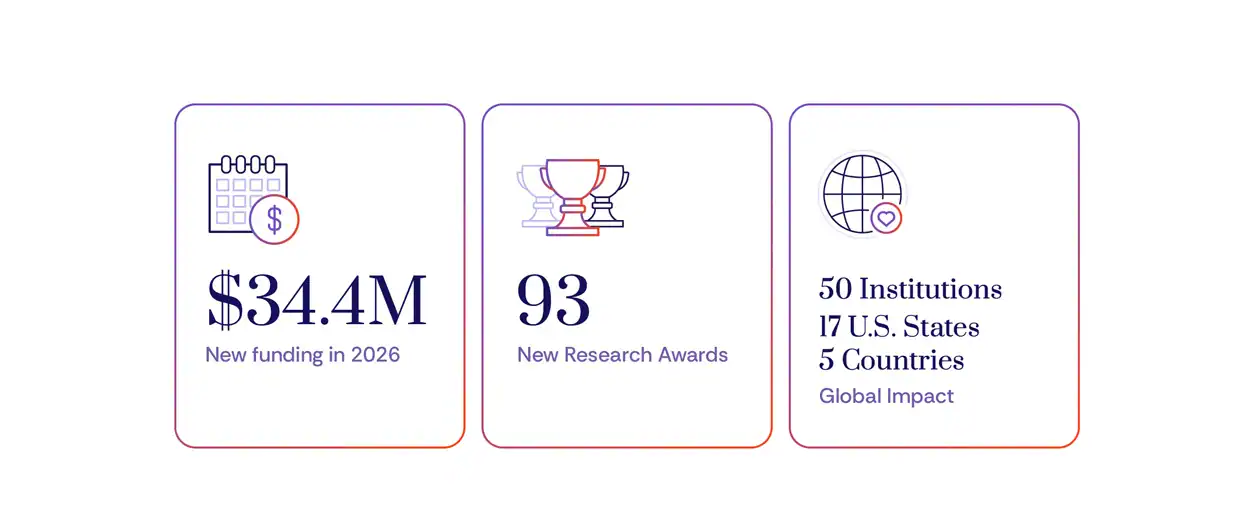
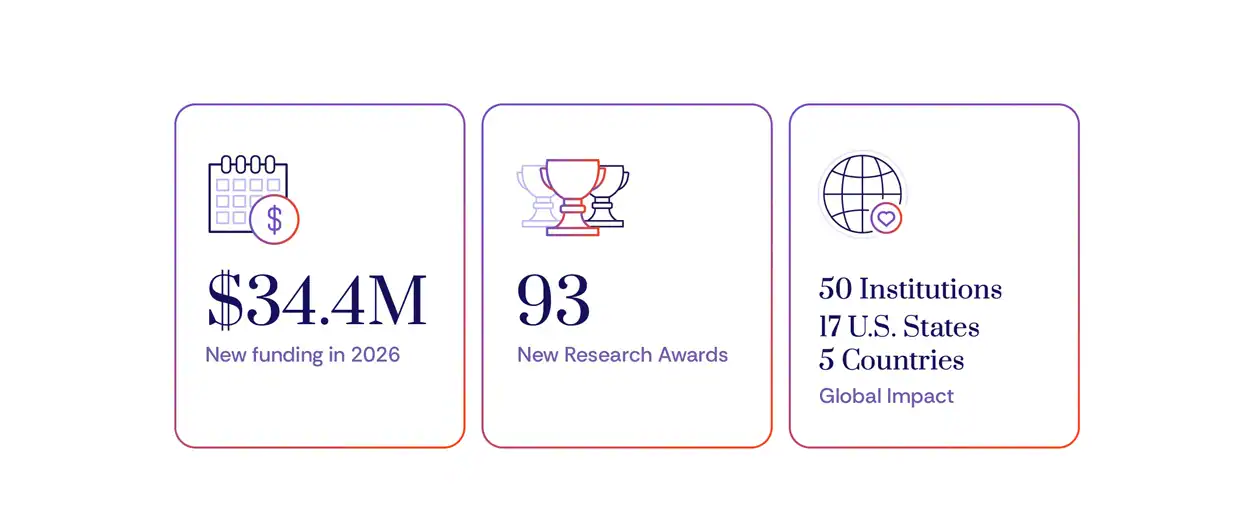
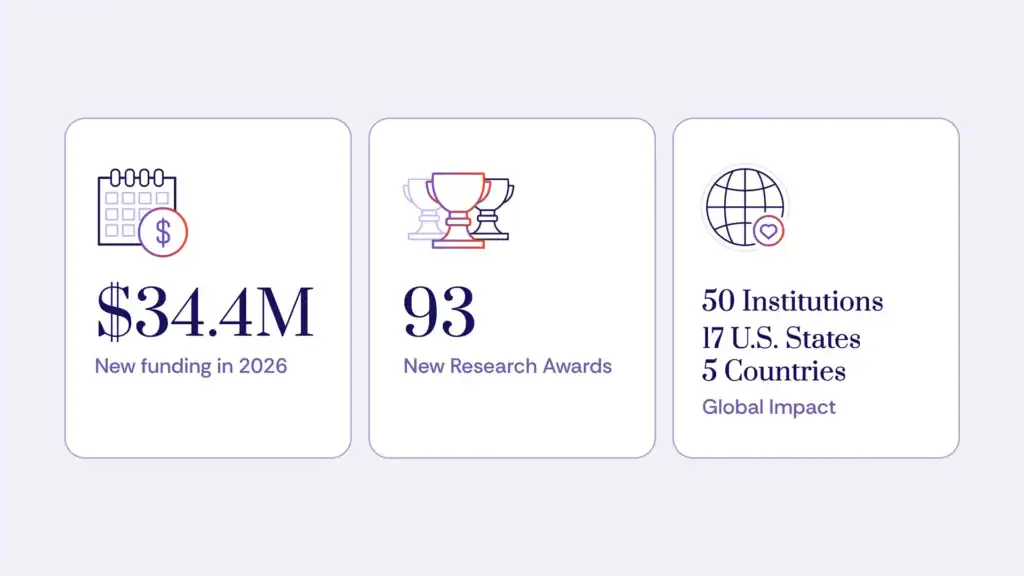
However, the Cancer Research Institute (CRI) chose a different path: to accelerate. In a bold counter-move against the prevailing headwinds, the CRI has committed $34.4 million in new funding across 93 awards, marking the largest grantmaking year in the organization’s seven-decade history. This surge in investment is not merely a financial statistic; it is a strategic maneuver designed to keep the engine of cancer immunotherapy innovation running at full capacity during a period when the scientific pipeline is most at risk of stalling.
The State of Science: A Chronology of Record-Breaking Support
The fiscal year 2025–26 serves as a testament to the CRI’s endurance. As federal and private funding sources fluctuated, the CRI’s leadership pivoted to ensure that the "Valley of Death"—the period where promising laboratory research often fails due to a lack of translational funding—did not claim the next generation of breakthroughs.
- Q1 2025: CRI leadership identifies a critical decline in early-career grant availability across 17 states.
- Q2 2025: The organization initiates a comprehensive audit of its philanthropic capacity, resulting in the strategic restructuring of its endowment to prioritize direct research grants.
- Q3 2025: The launch of the "IGNITE" (Inspiring Growth and Nurturing Independence Through Excellence) program is finalized, specifically targeting the transition from postdoc to independent investigator.
- Q4 2025–Q1 2026: The largest rollout of funding in CRI history commences, distributing $34.4 million to 50 institutions across five countries.
- Q2–Q3 2026: Impact assessment begins, focusing on the integration of these new researchers into the broader CRI ecosystem of clinical trials and data sharing.
Supporting Data: Mapping the Reach of Innovation
The breadth of this investment highlights a geographical and institutional diversity that is essential for a holistic approach to cancer research. By distributing $34.4 million across 50 institutions, the CRI has effectively decentralized the fight against cancer.
While the raw numbers—$34.4 million, 93 awards, and 50 institutions—provide a headline, the qualitative data tells a more compelling story. The CRI’s investment model is predicated on a "continuum of support." This approach ensures that a researcher is not left to fend for themselves after a single project ends. Instead, the institute provides a scaffold for professional growth:
- Postdoctoral Fellowships: Serving as the foundation, these grants support researchers at the onset of their careers.
- IGNITE Awards: Acting as the bridge, these provide the capital necessary for scientists to establish independent laboratories.
- Lloyd J. Old STAR Awards: Representing the pinnacle, these grants allow established investigators the "high-risk, high-reward" freedom to chase bold, unconventional ideas that could redefine the field.
The IGNITE Initiative: Bridging the Independence Gap
The transition from a postdoctoral fellow to an independent Principal Investigator (PI) is widely considered the most precarious phase of a scientist’s professional life. It is here that many brilliant minds leave academia, discouraged by the lack of resources to fund their own, original research programs.
The CRI’s newly minted IGNITE Award is a targeted intervention designed to mitigate this "brain drain." By providing early-career scientists with the financial autonomy to define their own research questions, the CRI is not just funding experiments—it is fostering a new generation of leaders.
Case Study: Dr. Simone Park and the Future of T-Cell Therapy
Dr. Simone Park, a recipient of the inaugural IGNITE Award at the University of Pennsylvania, serves as the living embodiment of this mission. Having been supported by the CRI during her postdoctoral tenure, Dr. Park is now using her IGNITE funding to delve into the mysteries of "tissue-resident memory T cells."
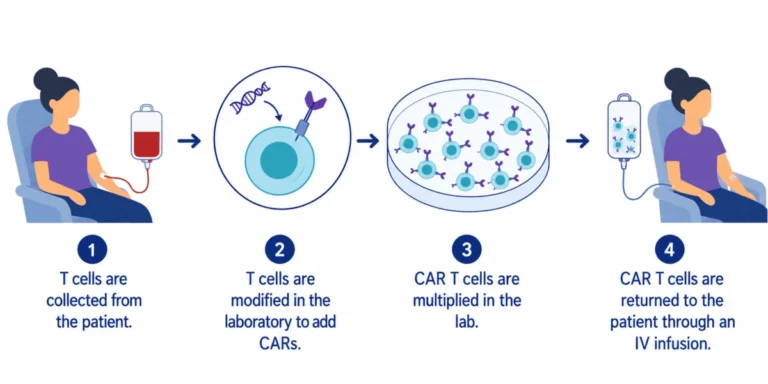
These specialized immune cells are a frontier in cancer immunotherapy. Unlike circulating T cells, which patrol the blood, tissue-resident cells remain in the tissues, acting as a "standing army" that provides long-term protection against recurrence. Dr. Park’s research into what enables these cells to persist is, in essence, a search for a permanent "immune memory" against cancer. Her trajectory from fellow to independent lab leader is the exact mechanism the CRI hopes to replicate across the field.
Implications for the Patient and the Ecosystem
The CRI’s impact extends far beyond the laboratory bench. By funding these researchers, the institute is building a robust "ecosystem" that includes clinical studies, data science, and computational biology.
Bridging the Translational Gap
One of the most significant implications of this year’s record funding is the focus on "translational" capability. Many research projects fail to translate into clinical practice because they lack the computational power or the patient data integration necessary to validate findings. The CRI is now actively equipping its awardees with advanced computational skills, ensuring that the biology they uncover can be quickly translated into clinical trials.
The Role of Public and Patient Advocacy
The institute’s 2026 Annual Impact Report underscores that this work is a "promise kept" not only to the scientists but to the patients and caregivers who rely on the CRI for trusted information. In an era of medical misinformation, the CRI serves as a bridge between complex laboratory data and actionable patient support. By simplifying the science and providing a clearer path for clinical trial navigation, the CRI ensures that the progress made in the lab is mirrored by improved outcomes for patients in the clinic.
Official Perspective: The Path Forward
In recent statements, leadership at the Cancer Research Institute emphasized that the current "uncertain environment" is not a reason to pause, but rather a call to action. The decision to increase funding during a down-market reflects a profound belief in the power of research to transcend political and economic instability.
"There is extraordinary work still ahead of us," noted a senior representative during the report’s release. "Uncertainty may alter the landscape in which science advances, but it does not change what progress requires: exceptional people, bold ideas, and the sustained support to bring them together."
Conclusion: A Blueprint for Resilience
The CRI’s performance over the last fiscal year provides a blueprint for how non-profits and research organizations can maintain momentum during challenging times. By focusing on long-term sustainability rather than short-term gains, the institute has protected the most vulnerable—and often most innovative—scientists in the field.

As the scientific community looks toward 2027 and beyond, the investments made by the CRI today will likely yield the therapies of tomorrow. Whether through the development of new T-cell therapies or the refinement of immunotherapy protocols, the results of this record-breaking year will be felt in hospitals and laboratories for years to come.
The message from the CRI is clear: While the world remains uncertain, the commitment to curing cancer remains resolute. For the researchers, the donors, and the patients, this is not the end of a difficult chapter, but rather the beginning of an era of unprecedented focus. The Cancer Research Institute is, by all accounts, just getting started.