In a groundbreaking study that redefines our understanding of heart health, researchers have uncovered a profound connection between the stressors of everyday life and lasting physical damage to the cardiovascular system. According to the largest study of its kind—conducted by the Medical Research Council (MRC) Laboratory of Medical Sciences (LMS) and Imperial College London—chronic, low-level inflammation acts as a "silent architect," remodeling the heart’s structure long before clinical symptoms ever manifest.
The findings, which draw on data from nearly half a million adults in the UK, suggest that the socioeconomic and psychological pressures of modern existence are not merely abstract burdens; they are biological catalysts that trigger an immune response capable of permanently altering heart tissue. As millions of people navigate the complexities of economic instability, mental health struggles, and lifestyle challenges, this research provides a stark warning: the heart is keeping a tally of these burdens, potentially leading to a significantly elevated risk of heart attack and stroke.
The Chronology of Silent Damage: From Stress to Structural Remodeling
To understand how inflammation impacts the heart, one must first understand its duality. Under normal circumstances, inflammation is the body’s essential healing response—a short-term immune activation designed to repair tissue and fight infection. However, the study highlights the "darker side" of this process: chronic inflammation.
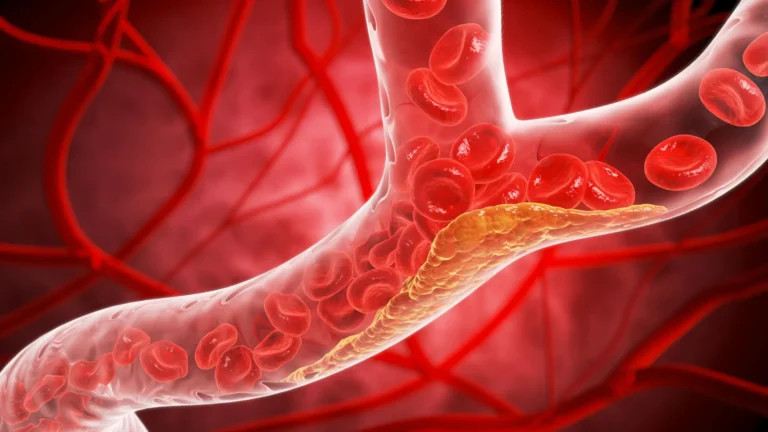
In this pathological state, the immune system remains mildly activated for extended periods, failing to switch off after the immediate threat has passed. Over months and years, this persistent, low-level immune activity creates a corrosive environment for the cardiovascular system.
The Timeline of Progression
- The Trigger Phase: Exposure to socioeconomic disadvantage, psychological distress, smoking, or obesity initiates a persistent immune response.
- The Latent Phase: For years, the body remains in a state of chronic, low-level inflammation. During this period, the individual may feel entirely asymptomatic.
- The Remodeling Phase: As inflammatory proteins—specifically those in the interleukin-1 and TNF families—circulate, they begin to influence the physical structure of the heart. The heart walls begin to thicken, the chambers shrink, and the heart’s ability to fill with blood diminishes.
- The Clinical Phase: The structural damage reaches a critical threshold, manifesting as heart failure, stroke, or a major cardiac event, often catching the patient and their healthcare provider by surprise.
Supporting Data: The UK Biobank Evidence
The research team, utilizing the vast resources of the UK Biobank, conducted a multi-faceted analysis of 480,000 participants. By integrating blood markers—specifically glycoprotein acetyls (GlycA)—with advanced cardiac imaging and genomic profiles, the researchers were able to quantify the relationship between inflammation and heart pathology with unprecedented precision.
The 43% Disparity
The data revealed a striking correlation between inflammation levels and cardiovascular outcomes. When comparing the top 20% of participants (those with the highest inflammation levels) to the bottom 20% (those with the lowest), the results were unequivocal:
- Elevated Risk: Individuals in the highest inflammation bracket faced a 43% higher risk of suffering a heart attack or stroke.
- Structural Decay: High inflammation was directly associated with physical "remodeling." This included hypertrophic (thickened) heart walls and reduced chamber compliance, both of which are early warning signs of progressive heart failure.
- Cumulative Impact: This risk remained elevated even in individuals who had no prior history of diagnosed heart disease, suggesting that inflammation serves as an independent, early-stage predictor of future cardiac failure.
Official Responses: Insights from the Scientific Community
The scale of the study has sent ripples through the medical community, prompting calls for a shift in how clinicians screen for cardiovascular risk.
Professor Declan O’Regan, British Heart Foundation Chair of Cardiovascular AI at Imperial College London and Head of the Computational Cardiac Imaging Group at the LMS, emphasized the systemic nature of the issue. "Our study suggests that millions of people could be living with hidden inflammation, which is slowly changing their heart and causing long-term damage," O’Regan noted. "Chronic inflammation is complicated, but we know it is tied to our health and driven by a range of lifestyle and economic factors—meaning people may be at more risk just because of their surroundings, their economic status, their family’s health, and their lifestyle."
O’Regan also pointed to the role of genetics in this equation. "There was a strong genetic factor, with some people being naturally more resilient or susceptible to the inflammatory damage that comes from different lifestyles," he added.
Professor Bryan Williams, Chief Scientific and Medical Officer at the British Heart Foundation, echoed these sentiments, highlighting the dual-edged nature of the immune system. "Inflammation is part of the body’s healing process, but there is also a darker side to it," Williams stated. "This large-scale study found people with higher levels of inflammation experienced silent changes to the structure of their hearts. It also identifies several inflammatory proteins that appear to play a key role in the heart changes linked to chronic inflammation."
Clinical Implications: A New Frontier for Prevention
The study does not merely document a problem; it offers a roadmap for potential intervention. By identifying specific inflammatory pathways—such as the interleukin-1 and TNF protein families—the research provides clear targets for pharmacological development.
The Rise of Anti-Inflammatory Therapies
Several of the inflammatory proteins identified in the study are already being targeted by drugs currently in clinical trials. This raises the tantalizing possibility that, in the near future, clinicians may be able to prescribe anti-inflammatory therapies to prevent cardiovascular disease before the first symptom ever appears. This would represent a paradigm shift from treating symptoms to preempting the underlying biological damage.
The Future of Personalized Screening
The researchers suggest that a "precision medicine" approach could be the key to reducing the burden of heart disease. By combining routine blood tests for markers like GlycA with an individual’s genetic risk score, doctors could identify high-risk patients long before they present with chest pain or shortness of breath. This would allow for:
- Targeted Lifestyle Interventions: Providing more intensive support for smoking cessation, weight management, and stress reduction for those identified as genetically or biologically predisposed to inflammation-driven heart damage.
- Early Pharmacological Intervention: Using anti-inflammatory medications as a preventative measure for those at the highest risk.
Conclusion: Bridging the Gap Between Lifestyle and Longevity
The most profound takeaway from this research is the validation that the "pressures of everyday life" are physically inscribed onto our organs. The study proves that poverty, mental health, and environmental factors are not just social issues—they are public health issues with direct, measurable impacts on the heart’s architecture.
However, the authors are careful to avoid a deterministic view. While genetic susceptibility and difficult life circumstances are significant factors, they do not render heart disease an inevitability. By identifying the biological pathways of inflammation, the medical community is now better equipped to intervene.
"While tackling health inequalities remains an issue," Professor O’Regan concluded, "there are things that we can do about inflammation, including reducing risk factors like smoking and obesity." As we look toward the future, the integration of genetic profiling, inflammatory marker testing, and advanced cardiovascular imaging promises a new era of preventative cardiology—one where the silent, creeping damage of inflammation can be identified and halted before it ever becomes a crisis.
This study was funded by the Medical Research Council and the British Heart Foundation. Additional support was provided by the NIHR Imperial Biomedical Research Centre, a translational research partnership between Imperial College Healthcare NHS Trust and Imperial College London.