










For most of human history, the night was a period of reliable respite—a time when the sun dipped below the horizon, temperatures plummeted, and the body could naturally transition into the restorative cycles of sleep. However, as the global climate undergoes rapid transformation, that biological sanctuary is under siege. A growing body of research now confirms that the rising mercury isn’t just warming our streets; it is fundamentally altering our sleep architecture, leading to a silent, widespread public health crisis.
The Biological Necessity of the Chill
To understand why climate change is keeping us awake, we must first understand the internal mechanisms of human slumber. Sleep is not a passive state; it is an active, temperature-regulated physiological process.
Under normal conditions, the body’s core temperature drops by approximately 1 to 2 degrees Fahrenheit as part of the circadian rhythm. This cooling effect is a critical signal to the brain that it is time to initiate sleep and, more importantly, to sustain it. When the ambient air temperature in a bedroom remains elevated, the body struggles to shed this excess heat. The physiological feedback loop that triggers deep, restorative REM and slow-wave sleep is disrupted, leading to fragmented nights, increased wakefulness, and an inability to achieve the depth of rest required for physical and mental repair.
The Chronology of a Warming Night
The trend of increasing nighttime temperatures is not a future projection; it is a present reality. Over the past five decades, the nights have warmed at a rate that far outpaces the warming of our days.
- The 1970s Baseline: Climate data indicates that since the early 1970s, the amount of temperature-related sleep loss has effectively doubled in nearly every major city analyzed. In previous decades, the "cool-down" period at night was more pronounced, allowing for efficient thermal regulation.
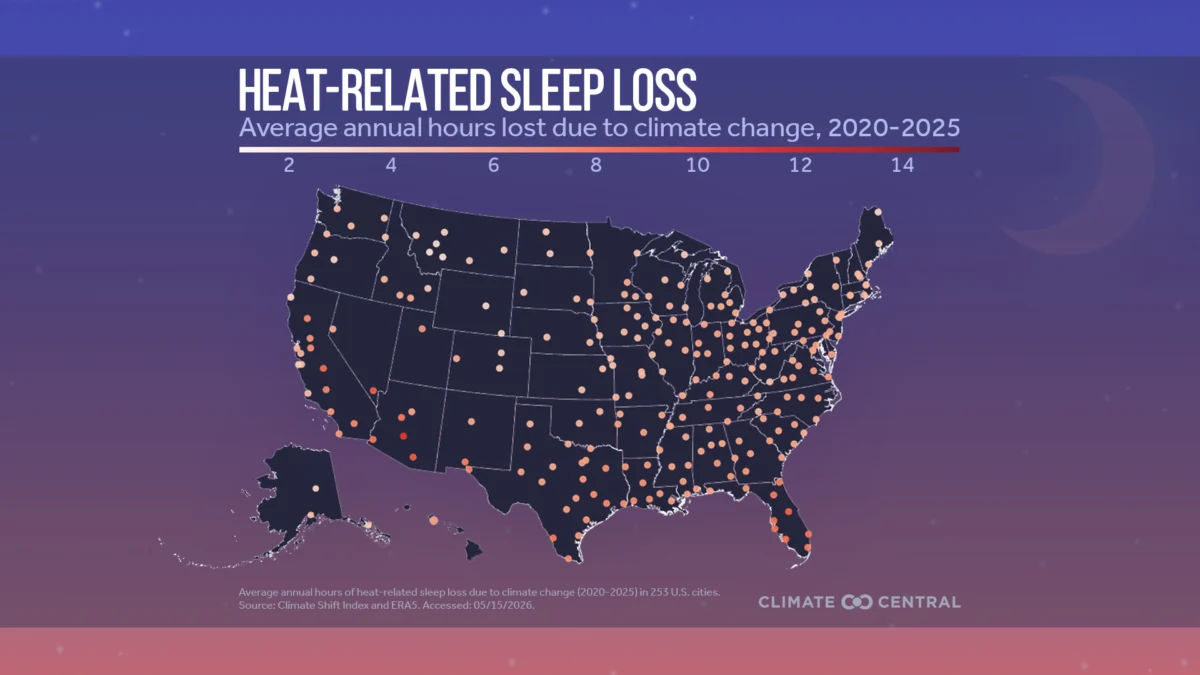
- The 2020–2025 Surge: A comprehensive analysis by Climate Central reports that between 2020 and 2025, rising nighttime temperatures resulted in the average person globally losing approximately 56 hours of sleep annually. This is not a matter of a few minutes of tossing and turning; it represents over two full days of lost recovery time per year.
- The 2026 Heat Wave Turning Point: Recent extreme weather events, such as the severe heat waves experienced in the United Kingdom in June 2026, have provided a grim "real-world laboratory." Polls conducted during this period revealed that 65% of adults reported significant sleep disruption, with nearly half of those individuals losing three or more hours of sleep per night. This event marked a shift in public consciousness, as sleep loss became a headline issue during heat-related public health alerts.
Supporting Data: The Quantitative Cost of Heat
The scientific community has moved beyond anecdotal evidence, utilizing massive datasets to quantify the impact of heat on human biology. A landmark study published in the journal One Earth analyzed more than 7 million sleep records alongside local weather data, providing a definitive link between high ambient temperatures and reduced sleep duration.
The data reveals clear thresholds for sleep disruption:
- The 77°F Threshold: Once the ambient temperature rises above 77°F (25°C), the probability of an individual failing to achieve seven hours of sleep increases significantly.
- The 86°F Threshold: On "very warm" nights where temperatures exceed 86°F (30°C), sleep duration drops by an average of 14 minutes. While 14 minutes may seem negligible to some, experts emphasize that this is a cumulative deficit. Over the course of a long, hot summer, these minutes accrue, resulting in a "sleep debt" that impairs cognitive function, emotional regulation, and physical health.
Perhaps most concerning is the researchers’ finding that there is little evidence of human adaptation. Despite the warming trend, the human body does not appear to be "getting used to" hotter nights. This suggests that without intervention, our collective sleep quality will continue to deteriorate as the climate warms.
Implications: A Cascade of Cognitive and Health Effects
The repercussions of sleep loss extend well beyond the bedroom door. A study published in PLOS Medicine highlights the danger of heat-induced sleep loss on cognitive performance. Following 44 young adults in the Boston area during a 2016 heat wave, researchers found that those living in non-air-conditioned buildings performed significantly worse on tests of attention, processing speed, and working memory.
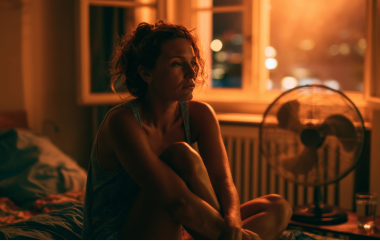
When the brain is denied the recovery of a full night’s sleep, the implications are immediate:
- Reduced Executive Function: Decision-making, impulse control, and logical reasoning are among the first functions to suffer.
- Increased Health Risks: Chronic sleep deprivation is linked to an increased risk of cardiovascular disease, diabetes, obesity, and weakened immune responses.
- Societal Economic Burden: Reduced productivity, increased workplace errors, and a higher incidence of accidents are the inevitable, costly outcomes of a sleep-deprived population.
Who is Most Vulnerable?
While heat affects everyone, the burden is not shared equally. "Climate-linked sleep loss" is a matter of environmental justice.
- The Cooling Divide: Access to air conditioning acts as a buffer, yet it is a luxury not afforded to everyone. Even where air conditioning is present, the cost of electricity—often spiked by usage during heat waves—creates a financial barrier to cooling.
- Geographic Vulnerability: Regions already characterized by high heat, including parts of the Middle East, Southeast Asia, India, and West Africa, are seeing the most severe impacts. In the United States, cities in Arizona, Nevada, California, and Florida lead the charts in climate-related sleep loss, with some residents losing up to nine hours of sleep per year specifically due to heat-change factors.
- Urban Heat Islands: Dense urban environments trap heat, causing nighttime temperatures to stay significantly higher than in rural surroundings, further exacerbating the sleep crisis for city dwellers.
Mitigation and Adaptation: Practical Strategies
While the broader climate trajectory is a geopolitical challenge, individuals can take proactive steps to improve their immediate sleep environment:
- Thermal Management: Ensure the bedroom is the coolest room in the house. Use blackout curtains to block solar heat gain during the day and keep windows closed during the hottest hours.
- Air Circulation: Use fans to move air, though keep in mind that fans become less effective as ambient temperatures approach body temperature.
- Bedding Optimization: Utilize moisture-wicking, breathable fabrics like cotton or bamboo to assist the body’s natural cooling process.
- Cooling Rituals: A lukewarm (not cold) shower before bed can help dissipate body heat.
When to Seek Professional Guidance
Occasional sleeplessness is a normal human experience. However, persistent, long-term sleep disruption caused by environmental factors is a legitimate medical concern. Individuals should consult a physician if:
- Sleep problems persist for more than a few weeks.
- Daytime sleepiness begins to interfere with daily activities or safety (such as driving).
- Sleep loss is accompanied by symptoms of anxiety, depression, or physical health declines.
For those requiring specialized care, AASM-accredited sleep centers provide comprehensive assessments and evidence-based treatment plans to address the physiological impact of chronic sleep loss.
The Bottom Line: Protecting Our Right to Rest
The data is clear: the warming climate is fundamentally stripping away our ability to achieve the rest we require to function, heal, and thrive. As we continue to navigate the complexities of climate change, sleep must be prioritized as a pillar of public health.
Healthy sleep is not a luxury; it is a biological necessity. Whether through improved urban planning, better access to home cooling, or individual behavioral changes, we must address the "hot night" crisis to ensure that the future remains a time of restoration rather than one of exhaustion.
Medical review by Dionne Morgan, MBBS, FCCP. This article is intended for informational purposes and should not replace professional medical advice. Always seek the counsel of your physician regarding concerns about your health or sleep patterns.