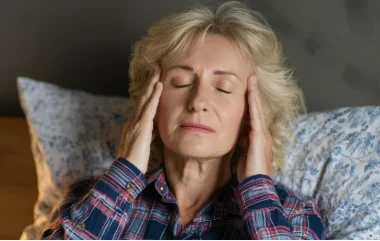
Sleep is the cornerstone of human health, acting as a biological reset button that regulates everything from cognitive function to cardiovascular integrity. Yet, for millions of women entering the menopausal transition, this fundamental pillar of well-being begins to crumble. What was once a restorative night of rest often transforms into a fragmented, frustrating struggle against biology. As hormonal shifts alter the internal landscape of the female body, sleep disturbances—ranging from insomnia to night sweats—have become a defining, yet frequently overlooked, characteristic of the midlife experience.
Main Facts: The Menopausal Sleep Paradox
Menopause is not merely a cessation of reproductive cycles; it is a profound systemic transformation. As the ovaries decrease their production of estrogen and progesterone, the body’s internal regulatory systems face a cascade of disruptions. Research indicates that between 40% and 60% of women navigating the menopausal transition report significant sleep disturbances.
The clinical reality is stark: women in the 45-to-64 age bracket are reporting widespread fatigue. According to recent data from the American Academy of Sleep Medicine (AASM), 37% of women in this demographic face frequent nighttime awakenings, while 35% are plagued by vasomotor symptoms—commonly known as hot flashes and night sweats—that shatter the continuity of their rest. Furthermore, 29% report chronic daytime fatigue, and 27% struggle with sleep onset latency, or the ability to fall asleep in a timely manner. Remarkably, only 6% of women report that their sleep patterns remain untouched by the hormonal fluctuations of midlife.
Chronology of the Transition
The deterioration of sleep quality is rarely an overnight phenomenon. It is often a gradual progression that mirrors the stages of the menopausal transition:
- Perimenopause (The Early Phase): Often beginning in the late 30s or 40s, this phase is marked by irregular hormonal fluctuations. During this time, the brain’s thermoregulatory center becomes hypersensitive. Women may notice mild sleep fragmentation or increased sensitivity to external stimuli, such as light or noise.
- The Menopausal Transition: As estrogen levels decline more consistently, the physical symptoms—specifically vasomotor instability—intensify. The frequency of night sweats often peaks during this window, causing sudden awakenings that are difficult to return from due to the body’s elevated core temperature.
- Post-Menopause: Once menstruation has ceased for a full year, hormonal levels stabilize at a lower baseline. However, the sleep architecture of the brain has often been altered. Many women enter this phase with a "learned insomnia," where the brain has become conditioned to wakefulness, requiring clinical intervention to reset healthy circadian rhythms.
Supporting Data: By the Numbers
The scientific community has shifted its focus toward the objective measurement of these disruptions. The correlation between hormonal decline and sleep pathology is supported by rigorous data:
- The Seven-Hour Standard: Health authorities consistently recommend at least seven hours of sleep per night for optimal health. Despite this, approximately 30% of women fail to meet this threshold, placing them at increased risk for metabolic and psychological distress.
- Longitudinal Trends: Research published in the Journal of Clinical Sleep Medicine highlights that sleep quality during the pre-menopausal years is a significant predictor of sleep health during the transition. Women who struggle with sleep hygiene early in life are statistically more likely to experience severe symptoms during menopause, suggesting that early intervention is not just preventative, but essential.
- The Cardiovascular Link: Perhaps most concerning is the nexus between sleep deprivation and heart health. Clinical studies have shown that women who experience chronic sleep disruption during menopause are at a higher risk of developing cardiovascular disease and hypertension. The lack of deep, restorative sleep prevents the heart from experiencing the nocturnal "dip" in blood pressure necessary for cardiovascular repair.
Official Responses and Clinical Perspectives
Medical organizations, including the AASM and the North American Menopause Society (NAMS), are calling for a shift in how clinicians approach midlife sleep complaints. The prevailing medical consensus is that poor sleep should no longer be viewed as an "inevitable" side effect of aging.
"We are moving away from the era of ‘just grin and bear it,’" says Dr. Helena Rossi, a sleep medicine specialist. "When a patient comes in reporting that she is waking up five times a night, we are now treating that as a medical symptom requiring intervention, not a lifestyle complaint. The goal is to preserve the long-term cognitive and cardiac health of the patient."
Official guidelines now emphasize a multidisciplinary approach. Rather than relying solely on pharmacological interventions, current best practices suggest:
- Cognitive Behavioral Therapy for Insomnia (CBT-I): Now the gold-standard first-line treatment for chronic insomnia, helping patients reframe their relationship with the bed and reduce nighttime anxiety.
- Hormone Replacement Therapy (HRT): When medically appropriate, replacing lost estrogen can significantly reduce the frequency and severity of vasomotor symptoms, indirectly stabilizing sleep.
- Environmental Optimization: Maintaining a bedroom temperature of 65–68 degrees Fahrenheit and utilizing moisture-wicking bedding to manage night sweats.
Implications: The High Cost of Sleeplessness
The implications of chronic sleep loss in menopausal women extend far beyond simple tiredness. The impact is multifaceted, touching on professional performance, emotional stability, and long-term biological health.
Cognitive and Emotional Impact
Sleep deprivation during menopause often compounds the "brain fog" that many women report. The lack of REM and slow-wave sleep impairs executive function, memory consolidation, and emotional regulation. This can exacerbate mood swings, increasing the risk of depression and anxiety during a period already marked by major life transitions.
The Cardiovascular and Metabolic Threat
As the body loses the protective cardiovascular benefits of higher estrogen levels, sleep becomes a critical buffer. Chronic sleep restriction is linked to insulin resistance and weight gain—specifically abdominal fat accumulation—which further exacerbates the risk of Type 2 diabetes. When the body is deprived of sleep, it remains in a state of high cortisol, which promotes inflammation and arterial stiffening.
The Societal Burden
When a significant portion of the workforce—women aged 45 to 64—is chronically sleep-deprived, the economic and social costs are significant. Fatigue leads to reduced productivity, increased absenteeism, and a diminished quality of life for the individual. Prioritizing sleep is not a luxury; it is a public health imperative.
Moving Toward Solutions: A Call to Action
The path forward requires both individual advocacy and systemic change. Women must be empowered to discuss sleep health with their healthcare providers with the same transparency they use for other medical concerns.
- Audit Your Environment: Invest in cooling technology and ensure your sleep sanctuary is dark and quiet.
- Establish Consistent Rhythms: Even on weekends, maintaining a strict wake-up time helps anchor the circadian rhythm, which becomes more fragile during the menopausal transition.
- Seek Specialized Help: If sleep hygiene improvements do not yield results within three to four weeks, it is time to consult a sleep specialist. Many underlying issues, such as sleep apnea—which increases in prevalence for women after menopause—often go undiagnosed because they are mistaken for standard menopausal fatigue.
The Bottom Line
The menopausal transition is a period of profound change, but it does not have to be a period of systemic collapse. By understanding the biological drivers of sleep disruption and utilizing the wealth of evidence-based treatments now available, women can navigate this transition with resilience.
Prioritizing sleep is the single most effective action a woman can take to protect her health in the second half of life. It is time to treat sleep as the vital sign it truly is. By fostering better sleep habits, seeking professional guidance, and demanding better medical support, women can reclaim their nights—and in doing so, secure their long-term health and vitality for the years ahead.