For generations, the "exhausted parent" has been a cultural trope—a badge of honor worn by those navigating the sleepless nights of infancy and the frenetic schedules of childhood. However, a groundbreaking new survey suggests that what society has long dismissed as a "normal" part of raising children may actually be a burgeoning public health crisis.
A comprehensive study conducted in August 2026 by Aeroflow Sleep, a national provider of durable medical equipment, reveals that the vast majority of parents with young children are living in a state of chronic, dangerous sleep deprivation. Even more concerning, the data indicates that a significant portion of this population is suffering from undiagnosed clinical sleep disorders, mistaking life-threatening medical conditions for the routine fatigue of parenthood.
The State of the Crisis: Key Findings and Data
The survey, which polled 887 U.S. parents with children aged 10 and younger, paints a bleak picture of the domestic landscape. The headline statistic is perhaps the most damning: only 5% of parents reported getting the recommended amount of restorative sleep required for basic cognitive and physical function.
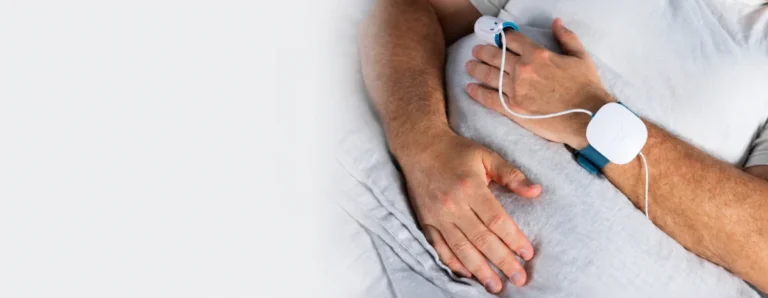
The ramifications extend far beyond feeling "tired." The survey data indicates that more than 25% of respondents exhibit clinical markers consistent with obstructive sleep apnea (OSA)—a serious disorder where breathing repeatedly stops and starts during sleep. If left untreated, OSA is linked to hypertension, heart disease, stroke, and type 2 diabetes.
For the modern parent, the normalization of exhaustion acts as a "smoke screen." Because parents expect to be tired, they are failing to seek medical intervention for symptoms that would otherwise send a non-parent to the doctor’s office. This creates a dangerous cycle where sleep debt compounds over years, leading to a degradation of physical and mental health that is often misattributed to the "busyness" of raising a family.
Chronology of a Disrupted Night
To understand the depth of this crisis, it is necessary to look at the typical 24-hour cycle of a parent in the study. The disruption is rarely limited to a single event; it is a cumulative assault on the body’s circadian rhythm.
- The Pre-Sleep Window: Most parents in the study reported a "revenge bedtime procrastination" phase, where the only time they felt they had for themselves was after the children were asleep. This often leads to late-night screen time, further suppressing melatonin production.
- The Midnight Disruptions: Whether due to children waking up, anxiety about the next day’s schedule, or the physiological symptoms of sleep apnea (such as gasping or snoring), the sleep architecture of these parents is fragmented. Research shows that sleep fragmentation—frequent awakenings—is often more damaging to cognitive performance than total sleep deprivation.
- The Morning "Re-entry": The cycle begins again before the body has completed the necessary REM and deep-sleep cycles. This leads to an over-reliance on caffeine and stimulants to bridge the gap between waking up and the start of the professional or domestic workday.
- The Long-Term Accumulation: By the time the weekend arrives, the "sleep debt" has reached a critical mass. Unlike a financial debt, sleep debt cannot be "paid off" with a few extra hours on a Saturday morning; the neurological damage caused by chronic deprivation is often cumulative.
Expert Perspectives: Bridging the Gap
The survey results have drawn sharp reactions from the medical community, particularly from those who specialize in sleep medicine and neurology.
Dr. Christopher Allen, a board-certified sleep medicine physician and pediatric neurologist, serves as a sleep science advisor at Aeroflow Sleep. He emphasizes that the distinction between "parental fatigue" and "pathological sleepiness" is the most critical hurdle to clear.
"The symptoms noted by survey participants raise concerns that some parents may be dealing with more than just a busy household schedule," Dr. Allen stated. "There may be undiagnosed sleep disorders, including insomnia and obstructive sleep apnea, that are being overlooked because parents assume exhaustion is simply part of parenting. Speaking to your healthcare provider regarding sleep quality is critical. Realistic sleep strategies do exist for parents and take into account the realities of family life."
Dr. Carleara Weiss, a PhD and sleep science advisor, echoes this sentiment, focusing on the systemic failure to address the holistic health of the caregiver. "Parents are not simply tired from a lack of sleep or from interrupted sleep," Dr. Weiss notes. "The lack of sleep has resulted in real consequences on their relationships, mood, cognitive function, physical recovery, professional growth, and overall wellness. To close the gap, access to sleep care needs to be broadened and included in every visit with healthcare providers."
The Demand for Provider-Led Intervention
Perhaps the most optimistic takeaway from the survey is the clear directive from parents to the medical establishment. Approximately 86% of the parents polled expressed a strong desire for their primary care providers to take a more active, educational role in managing sleep health.
Currently, the patient-provider dynamic regarding sleep is often reactive. A patient visits the doctor for a specific complaint, and sleep is rarely more than a cursory question on a triage form. The survey suggests a shift is required:
- Routine Screening: Healthcare providers should integrate validated sleep assessment tools (such as the Epworth Sleepiness Scale) into routine pediatric and adult check-ups.
- Parent-Centric Resources: Providers must offer resources that acknowledge the constraints of parenting, such as cognitive behavioral therapy for insomnia (CBT-I) that can be done via telehealth or modular, app-based platforms.
- Education on Sleep Hygiene: Many parents are unaware that the "sleep tips" for their children (consistent routines, dark rooms) are equally applicable to adults.
The Broader Implications: A Societal Health Burden
The implications of this data extend far beyond the individual household. When a large segment of the workforce and the primary caregivers of the next generation are chronically sleep-deprived, the societal costs are immense.
Cognitive Function and Professional Growth
Sleep deprivation is a known performance killer. It impairs executive function, memory consolidation, and emotional regulation. For parents juggling career advancement alongside childcare, the cognitive fog caused by sleep debt can hinder professional growth, increase workplace errors, and diminish productivity.
Relationship Strains
The survey highlighted the impact of sleep debt on interpersonal relationships. Irritability, decreased libido, and a lack of patience are common side effects of chronic sleep deprivation. When both parents are suffering from sleep debt, the environment in the home can become strained, leading to increased conflict and a breakdown in the partnership.
Long-Term Physical Health Risks
As Dr. Allen pointed out, the risk of undiagnosed obstructive sleep apnea is a major concern. OSA is not just about snoring; it is about the heart being deprived of oxygen hundreds of times per night. For parents in their 30s and 40s, this is the prime time for developing the precursors to cardiovascular disease. Ignoring these symptoms during the "child-rearing years" can set the stage for chronic illness in middle and old age.
Conclusion: A Call to Action
The Aeroflow Sleep survey serves as a wake-up call—both literally and figuratively. It highlights a critical intersection where parental duty meets medical necessity. If 86% of parents are actively asking for help, the medical community has a mandate to respond.
For parents, the takeaway is clear: Exhaustion is not a prerequisite for being a good parent. If you find yourself consistently unable to sleep, experiencing gasping or choking sensations at night, or feeling that your fatigue is impacting your ability to function, it is time to stop viewing it as a parenting obstacle and start viewing it as a medical concern.
The path forward requires a partnership between patients and providers to dismantle the culture of "hustle-exhaustion" and replace it with evidence-based sleep care. Only by prioritizing the health of the caregiver can we ensure the health and stability of the family unit. As the survey suggests, the resources exist—now, they must be made accessible, proactive, and prioritized in every clinical encounter.