The sun dipped below the horizon hours ago, leaving the city in darkness, yet a singular, steady glow persists from a window on the third floor of the research facility. Inside, the lab is a quiet theater of precision. The only sounds are the rhythmic hum of a centrifuge and the sharp, clinical ding of a timer.
A researcher, gloved and methodical, rises from a stool to collect a sample. They reset the timer, return to the blue-light glare of a computer monitor, and begin the painstaking process of logging data. This is not the scene of a cinematic breakthrough; there are no champagne toasts or press conferences here. This is the unvarnished, solitary reality of modern oncology—the quiet, relentless dedication that forms the bedrock of medical progress.
The Chasm Between Headlines and the Bench
In the public imagination, cancer research is often defined by the "breakthrough"—the sudden, triumphant headline announcing a cure or a radical new therapy. However, these monumental shifts are merely the final chapters of stories that span decades. The reality of scientific discovery is a grueling, iterative process that happens long before the world ever hears a name or sees a statistic.
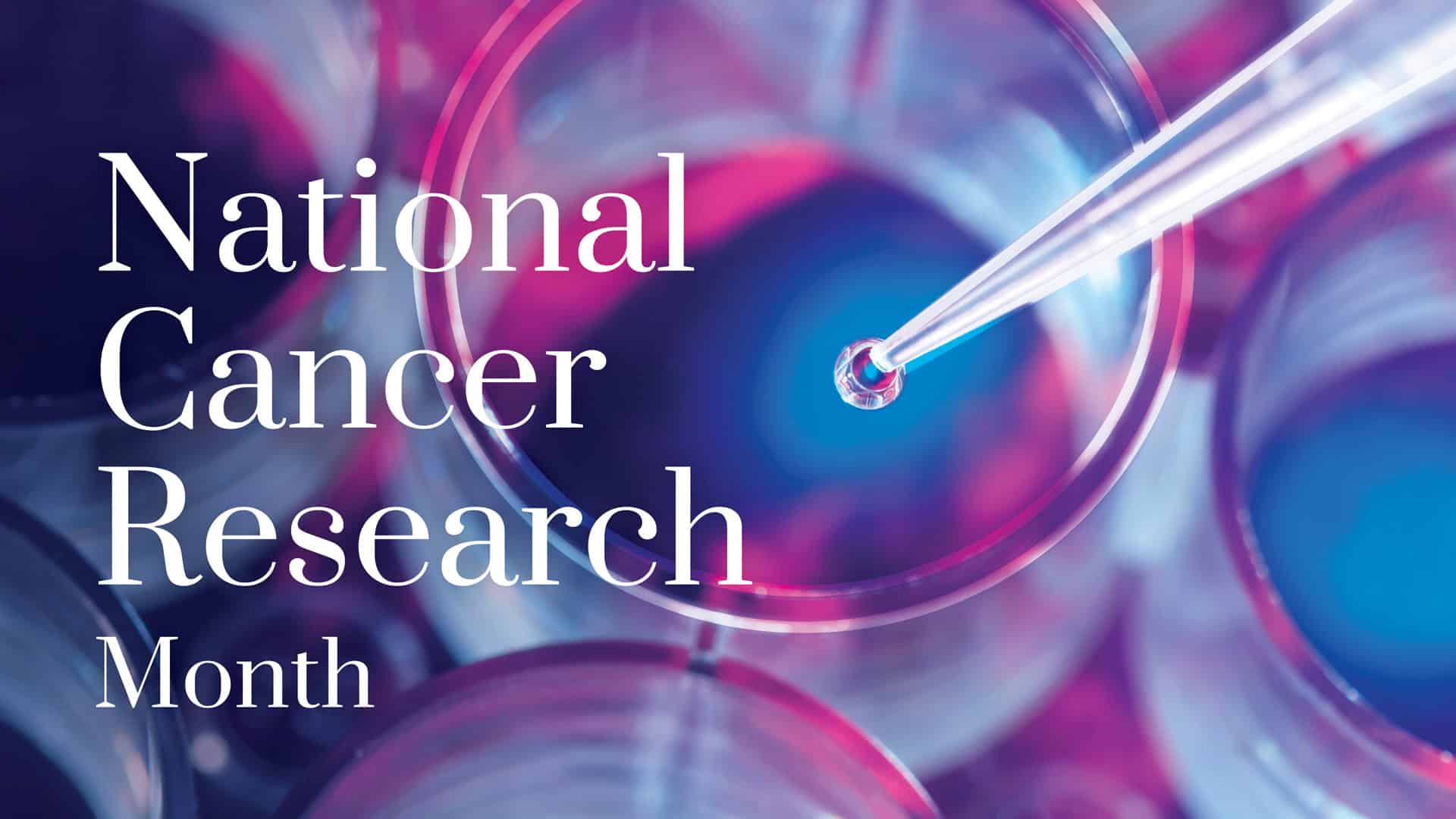
It is a world of late nights, repetitive motions, and data sets that take months to decipher. It is a world where questions remain unanswered for years, where "failure" is a daily companion, and where the only certainty is the requirement for extreme patience. During National Cancer Research Month, the Cancer Research Institute (CRI) is pulling back the curtain on this behind-the-scenes work, highlighting that this foundational labor is not only essential—it is increasingly fragile.
The Anatomy of an Experiment: The "Recipe" for Discovery
To understand the complexity of this work, one must look at the experiment itself. A scientist runs a trial, collects data, and then repeats it. And then they repeat it again.
"Think of it like a complex recipe," says a lead investigator. "You follow every instruction, measure every gram, and monitor every degree. Yet, the results vary. Why? Is it the humidity in the room? A slight variance in the purity of a chemical reagent? A minute calibration error in the equipment?"
In a lab, variables are infinite. To move from an observation to a "truth" that can be published, validated, and eventually brought to a patient, that observation must be reproducible. Scientists spend months isolating these variables, tweaking one element at a time—adjusting temperatures, switching vendors, recalibrating sensors—until the data trends are consistent. This is the "slow churn" of science. It is rarely glamorous, often frustrating, and entirely necessary to ensure that when a discovery is finally shared, it is trustworthy enough to serve as the foundation for the next stage of human knowledge.
Chronology of a Breakthrough: From Bench to Bedside
The path from a laboratory observation to a clinical treatment is a marathon, not a sprint. The trajectory typically follows a grueling, multi-stage timeline:
- Exploratory Research (Years 1–5): The "blue-sky" phase where scientists ask fundamental questions about cellular behavior, often resulting in more dead ends than findings.
- Validation and Peer Review (Years 5–8): The process of repeating experiments until the data is robust enough to withstand the scrutiny of the broader scientific community.
- Preclinical Translation (Years 8–12): Taking successful lab findings into models that simulate human biology, checking for safety and efficacy.
- Clinical Trials (Years 12+): The testing phase involving human patients, where, if successful, the therapy begins its journey toward regulatory approval.
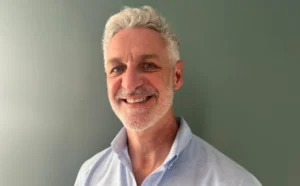
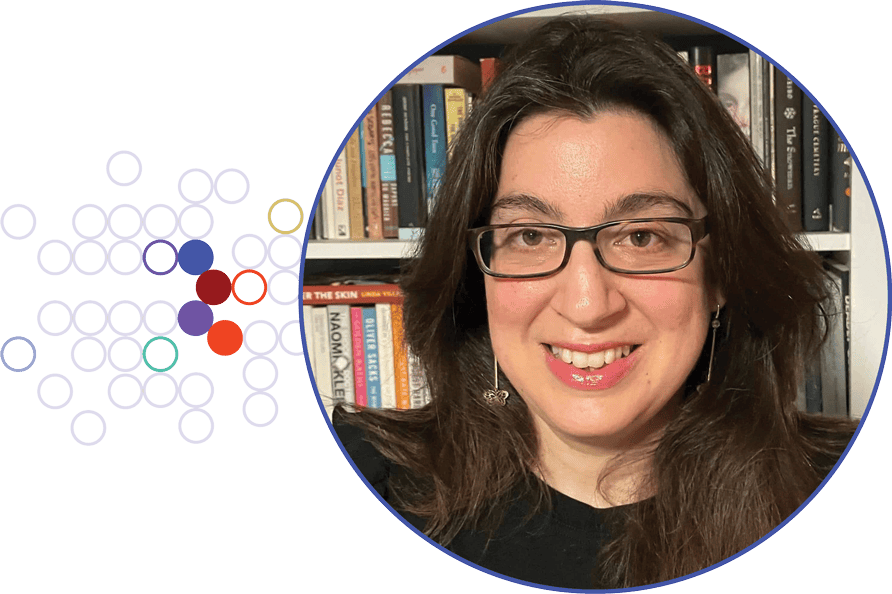
Every step of this timeline relies on the persistence of scientists who refuse to quit when the path forward is obscured. As Dr. Kenneth Murphy, recipient of the 2026 AACR-CRI Lloyd J. Old Award in Cancer Immunology, notes, "The truth of it is, we often stumble across findings for the wrong reasons. A ‘disaster’ in the lab often leads to the discovery of what was missing. It is in the analysis of those failures that the real science happens."
Official Perspectives: The Crisis of Funding
While the scientific process is inherently slow, it is currently facing an external threat that risks accelerating the loss of brilliant minds: a shrinking pool of research funding.
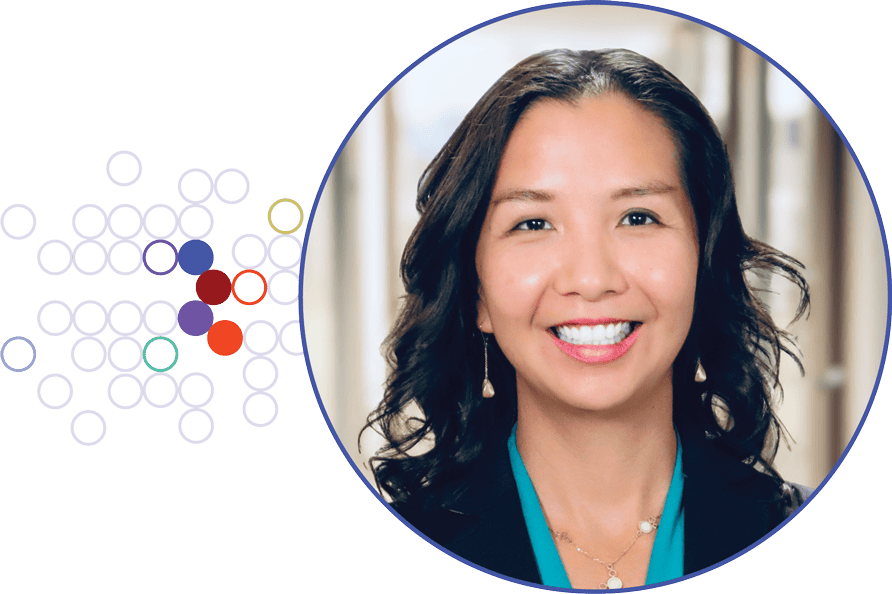
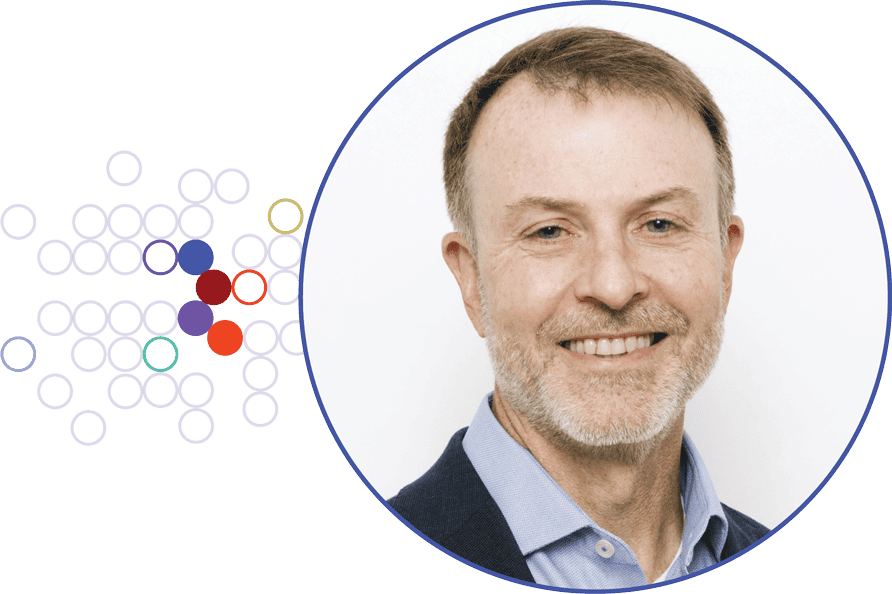
"Funding cuts are disproportionately impacting young investigators," warns Alicia Zhou, PhD, CEO of the Cancer Research Institute. "These are the individuals who are just beginning their careers, the generation that should be driving the next 30 years of innovation. When we strip away the resources for early-stage researchers, we are essentially cutting off the pipeline of future cures."
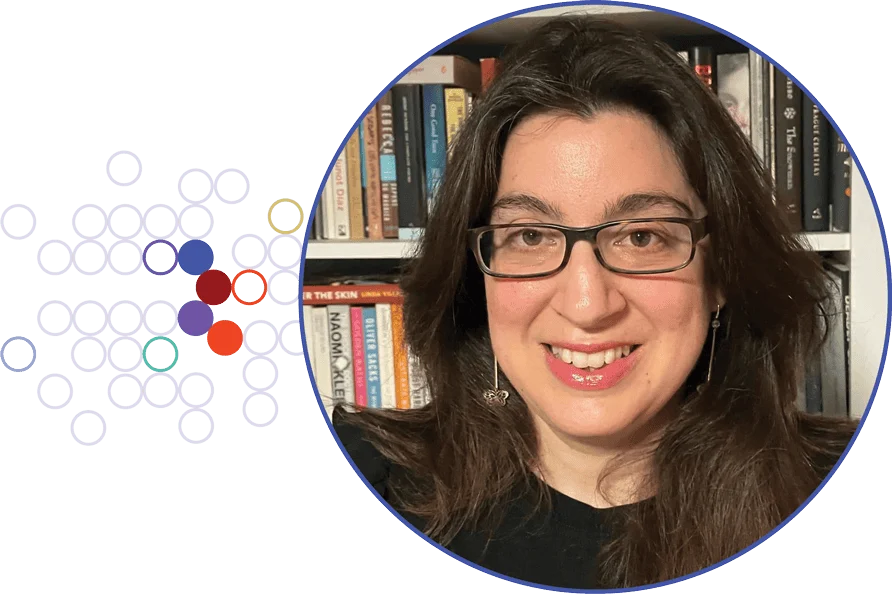
The sentiment is echoed by those on the front lines of clinical translation. Dr. Valsamo (Elsa) Anagnostou, a CRI CLIP Investigator, emphasizes the importance of bridging the gap between the lab and the hospital. "There is a massive, unmet need for support in translational research," Dr. Anagnostou explains. "We have the discoveries, but we need the infrastructure to translate those insights into interventions that move the needle on clinical outcomes for patients waiting today."
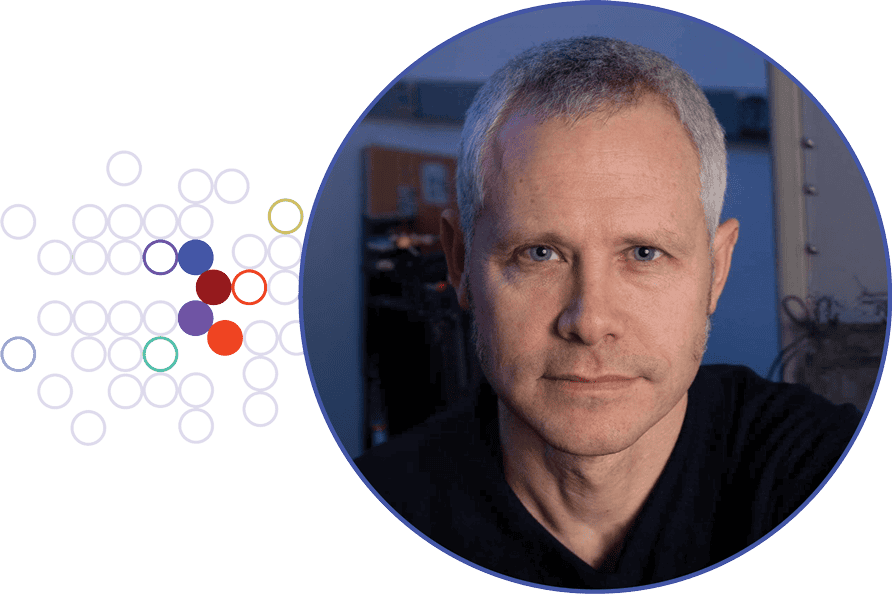
Dr. E. John Wherry, Associate Director of the CRI’s Scientific Advisory Council, puts the stakes in stark relief: "If we don’t protect this next generation of researchers, we risk losing the very people who will solve the riddles of tomorrow. We are not just talking about money; we are talking about human capital."
The Human Impact: Why the Work Matters
The implications of this funding crisis are not merely academic—they are measured in human lives. The work done in the quiet, dim light of a laboratory at 2:00 AM eventually manifests in the waiting room of a cancer center.
Sharon Belvin, a stage 4 melanoma survivor, represents the final, vital link in this chain. Her recovery is the direct result of the decades of "slow churn" that occurred before her diagnosis. "My life, and the lives of so many others, are living proof that this work actually matters," Belvin says. "Every time a scientist repeats an experiment, every time they refuse to give up after a failed test, they are fighting for someone like me."
Conclusion: The Light That Doesn’t Go Out
The narrative of cancer research is often simplified into a series of "wins." But the true story is one of sustained, collective endurance. It is the story of a scientist who sees a failure not as a defeat, but as a piece of data—a clue that brings them one step closer to understanding the unknown.
Tonight, while the world sleeps, the lights will stay on in labs across the globe. Another sample will be processed. Another timer will ding. Another hypothesis will be tested. And in that quiet, repetitive, and deeply determined labor, the seeds of the next medical miracle are being sown. The question is not whether the science can deliver; it is whether we, as a society, will provide the fuel—the funding, the time, and the patience—to allow those lights to keep burning.
The breakthrough is coming, but it will arrive only when we acknowledge that the most important work is the work that happens long before the cameras arrive.